
Last updated September 22, 2026
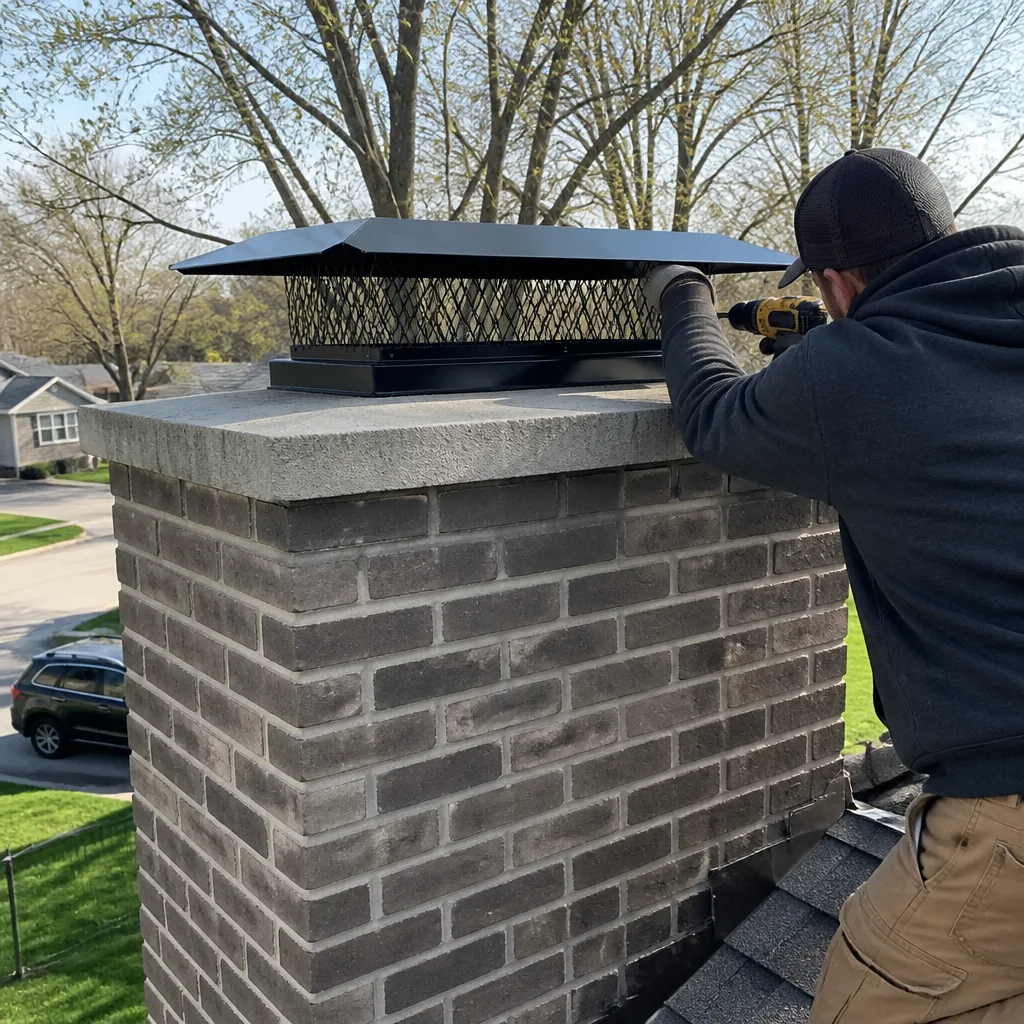
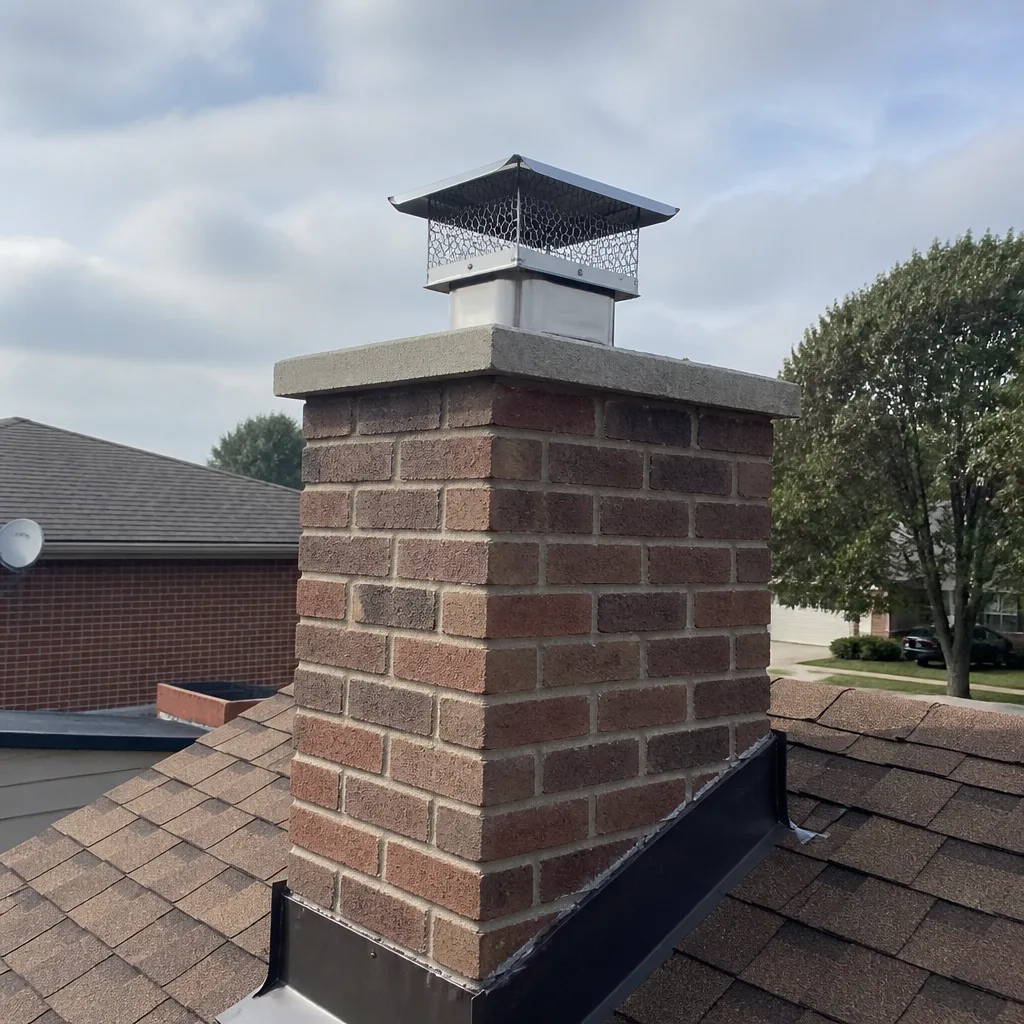
Level 1 sweep and inspection to the NFPA 211 annual standard - flue, crown, cap, and flashing checked and photographed
Chimney sweep logs do not sweep chimneys. They loosen some creosote - which then falls where a brush and vacuum still have to collect it.
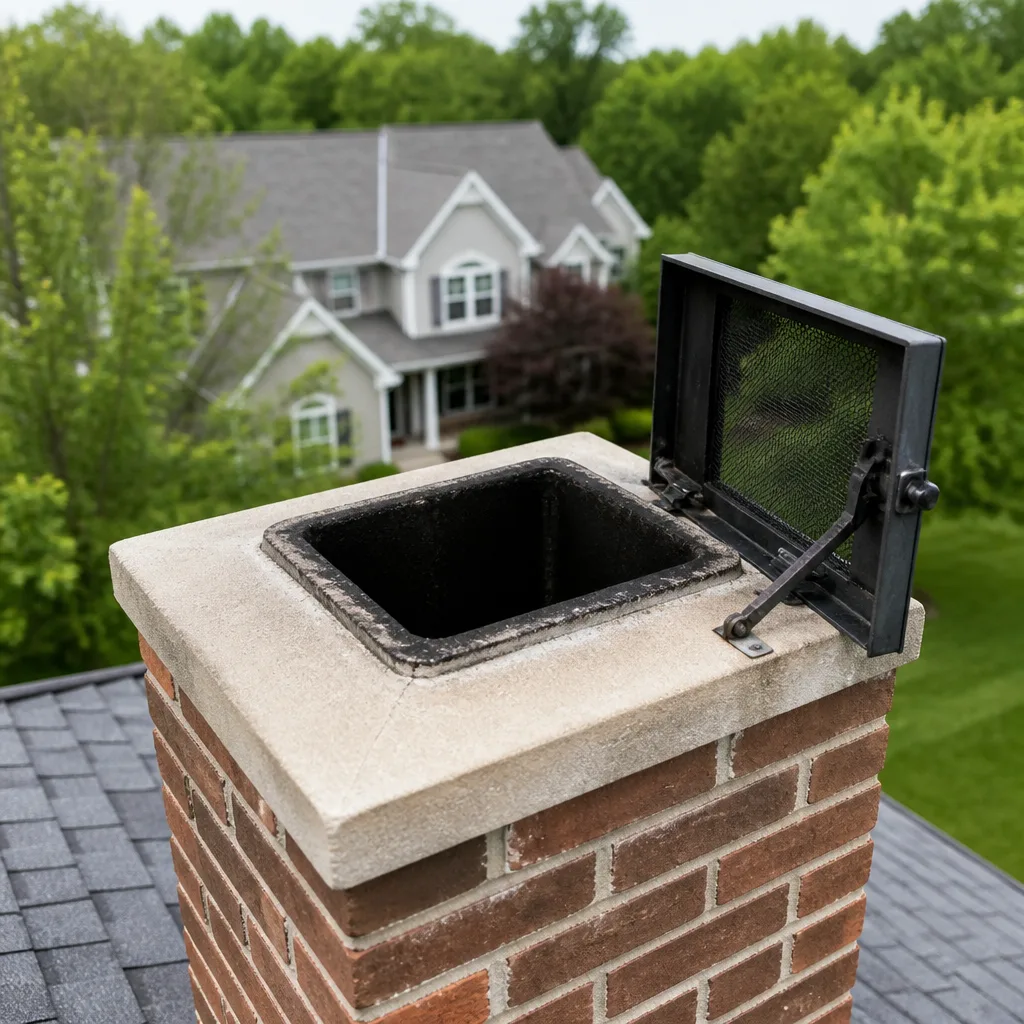
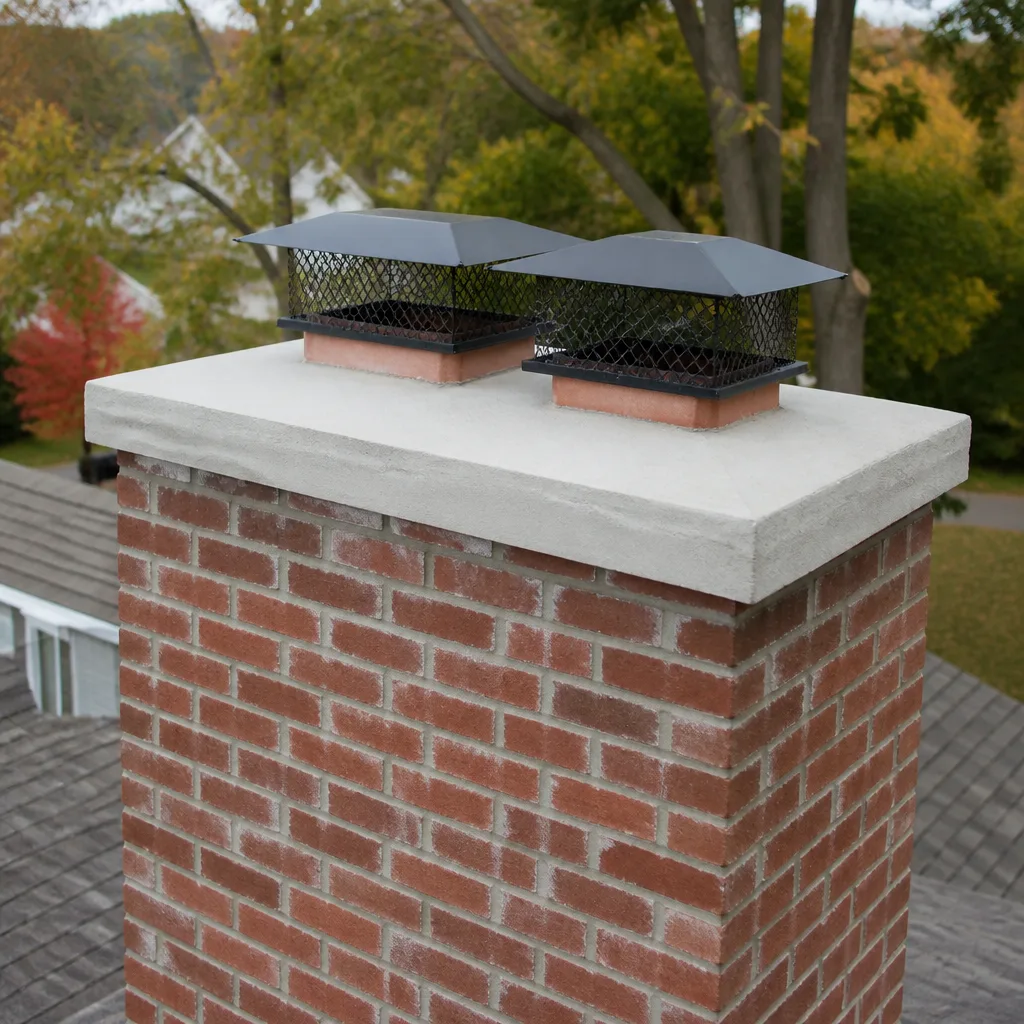
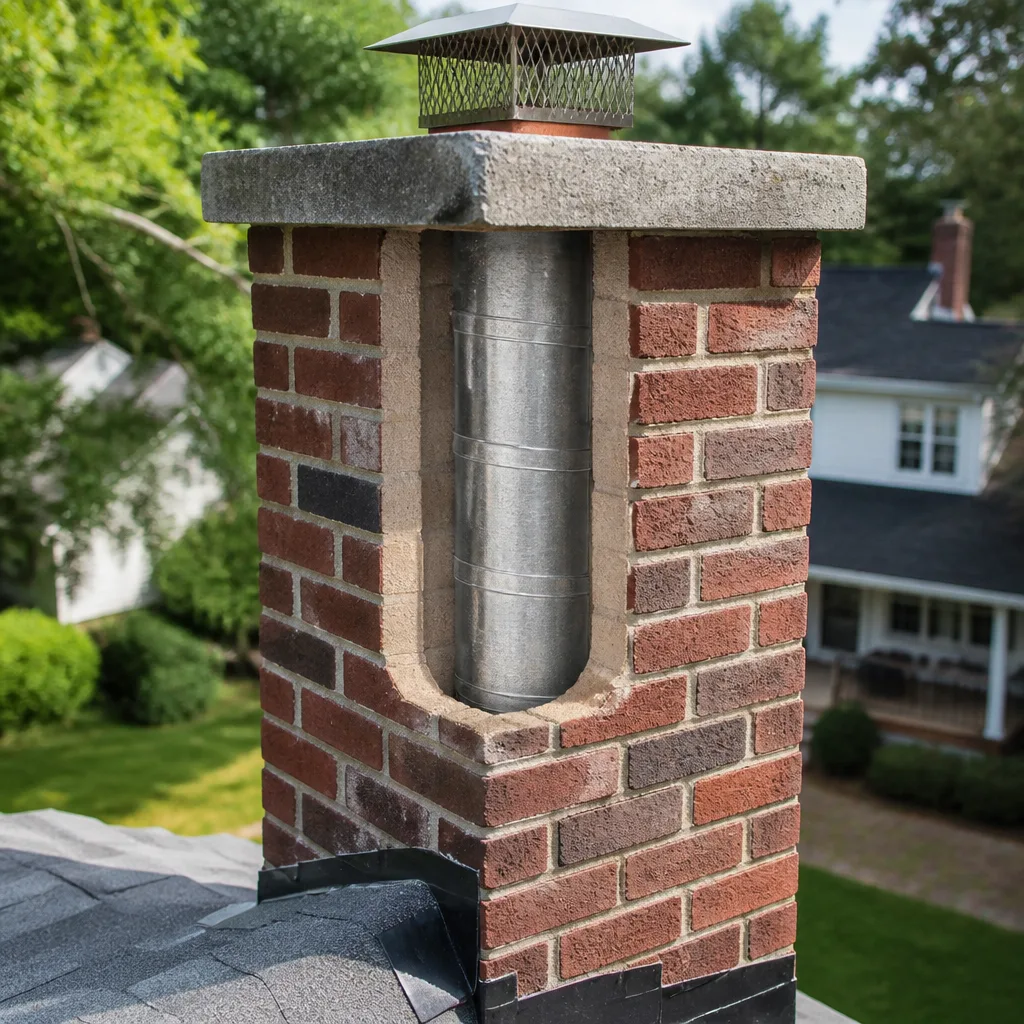
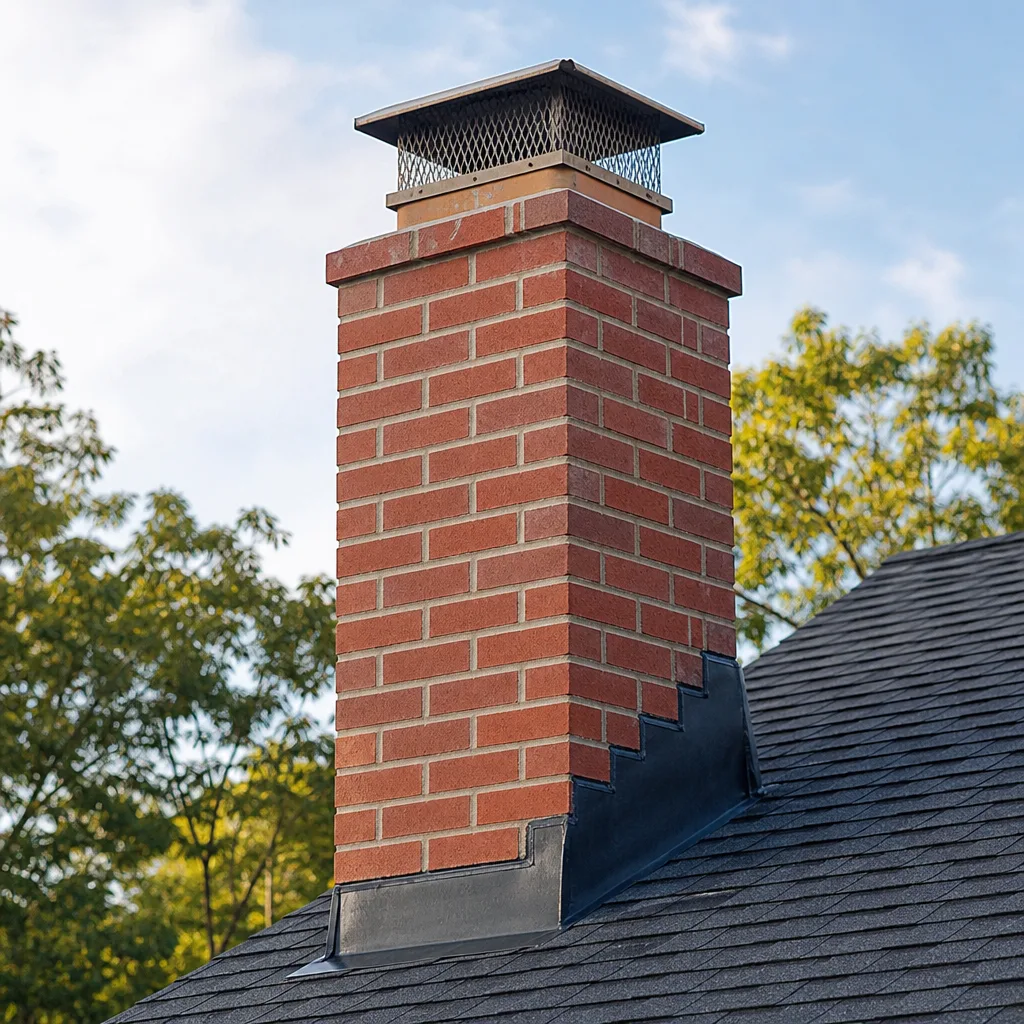
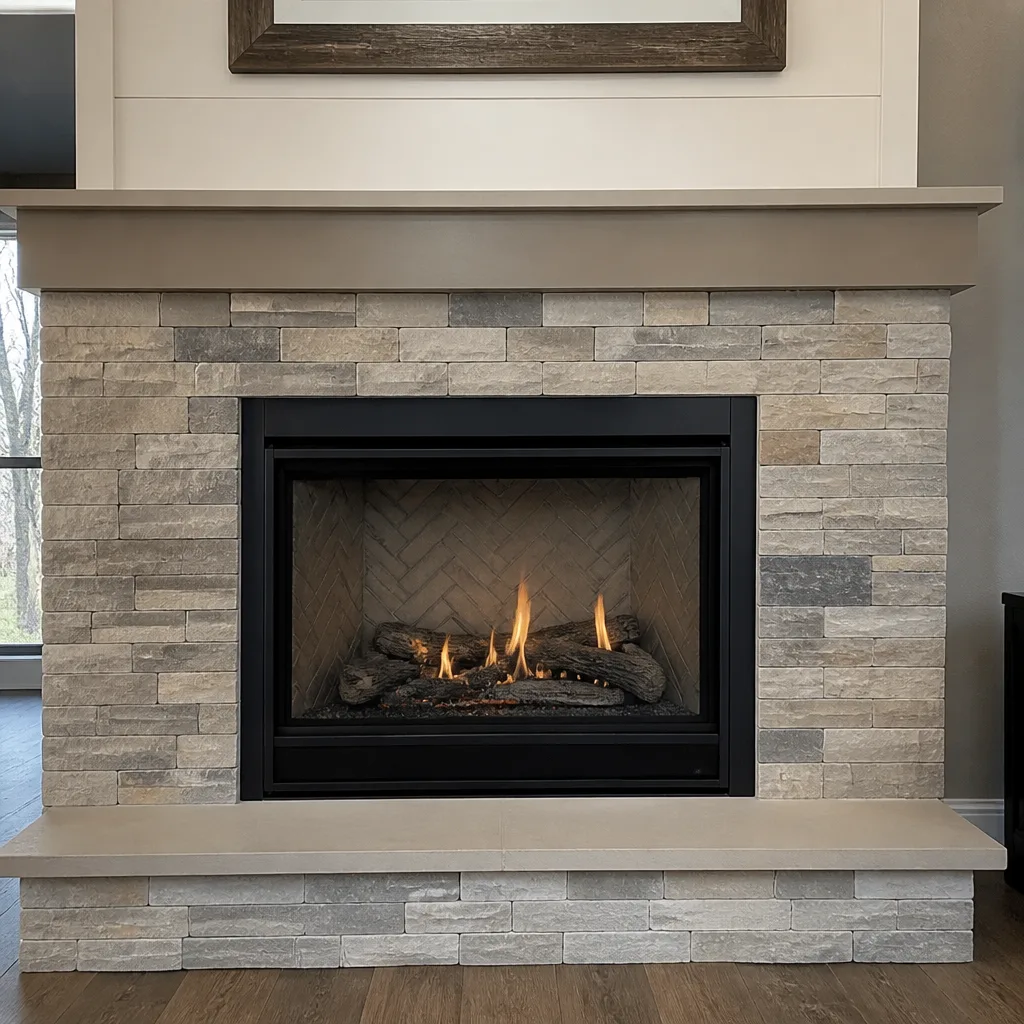
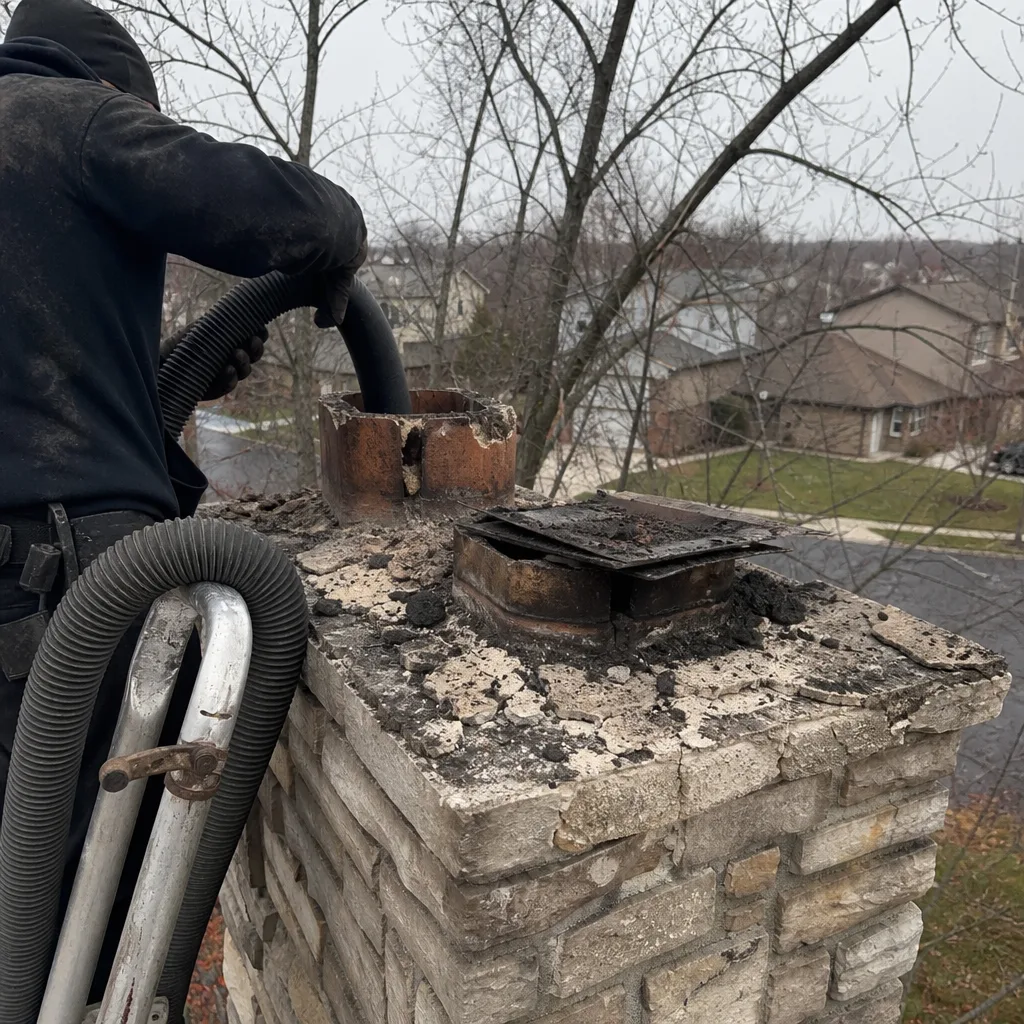 Before
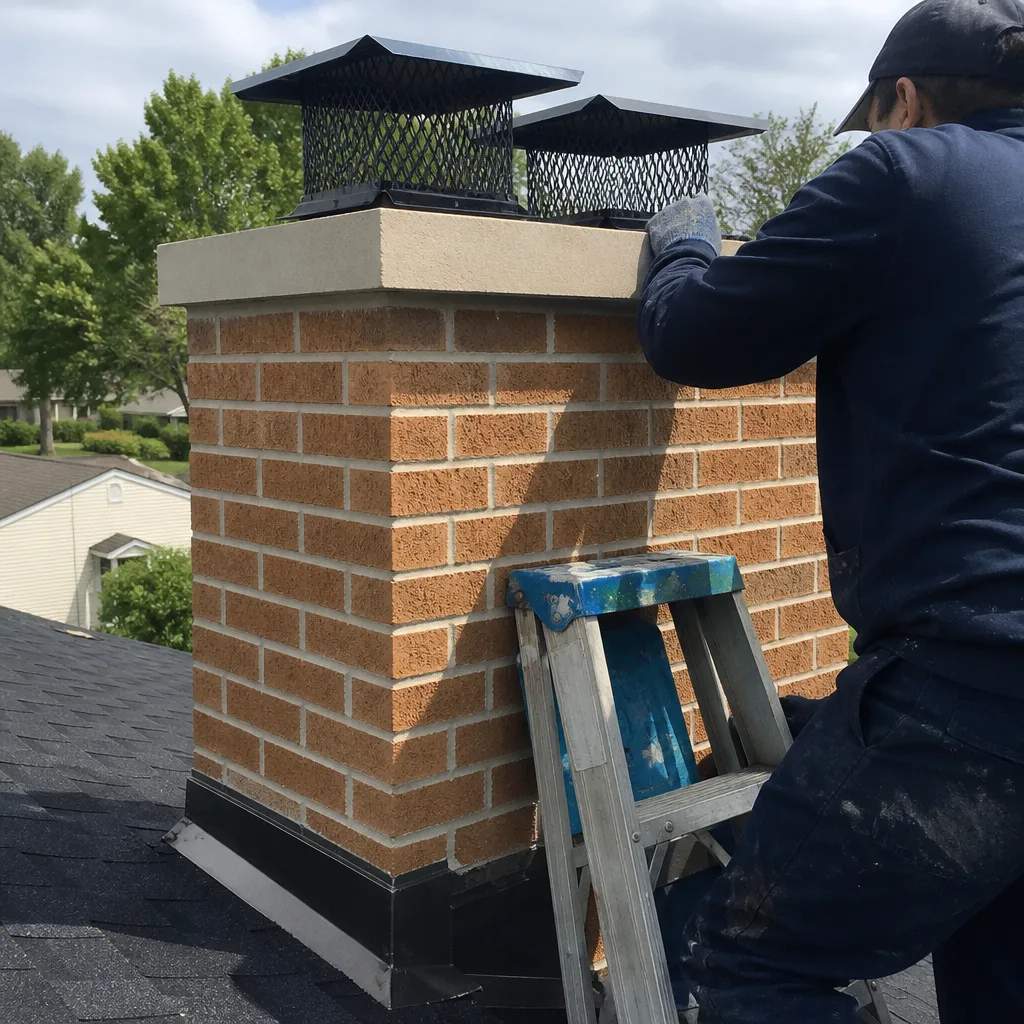 After
After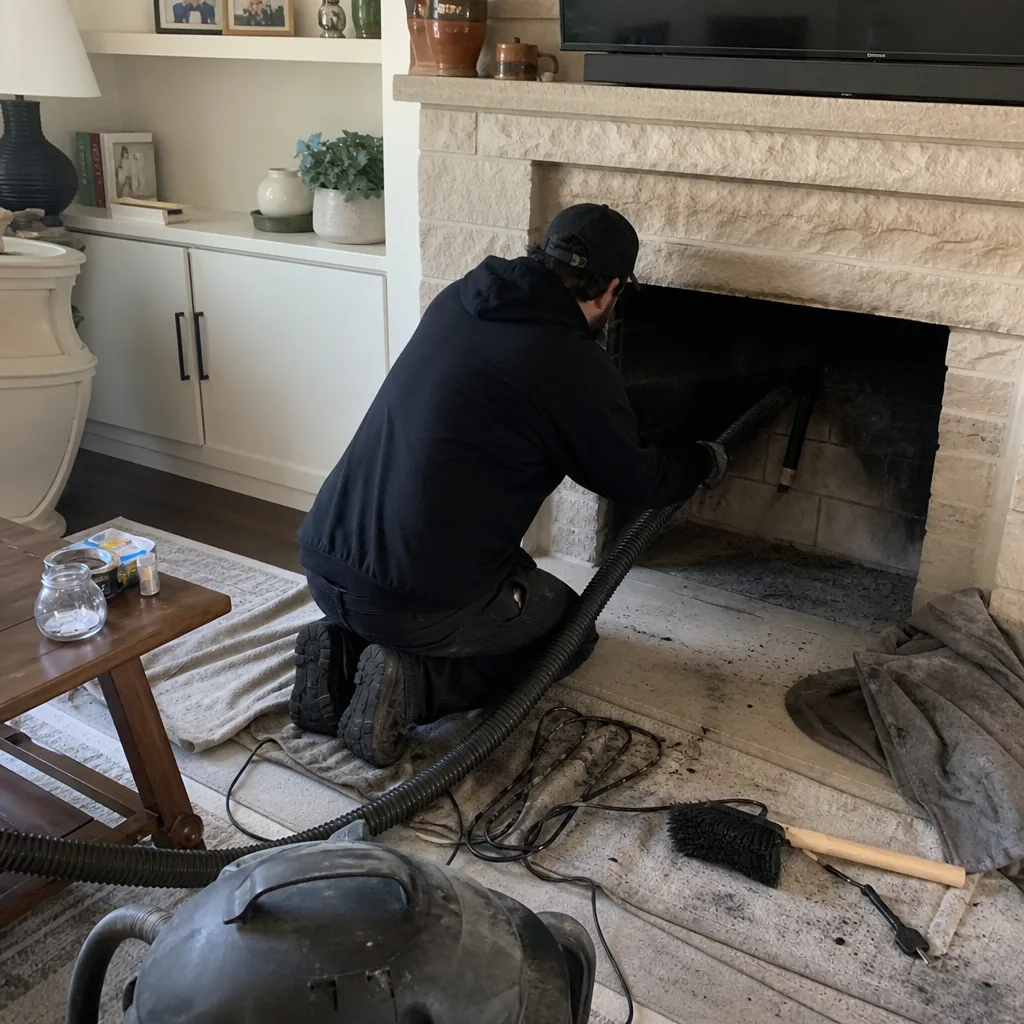 Before
 After
After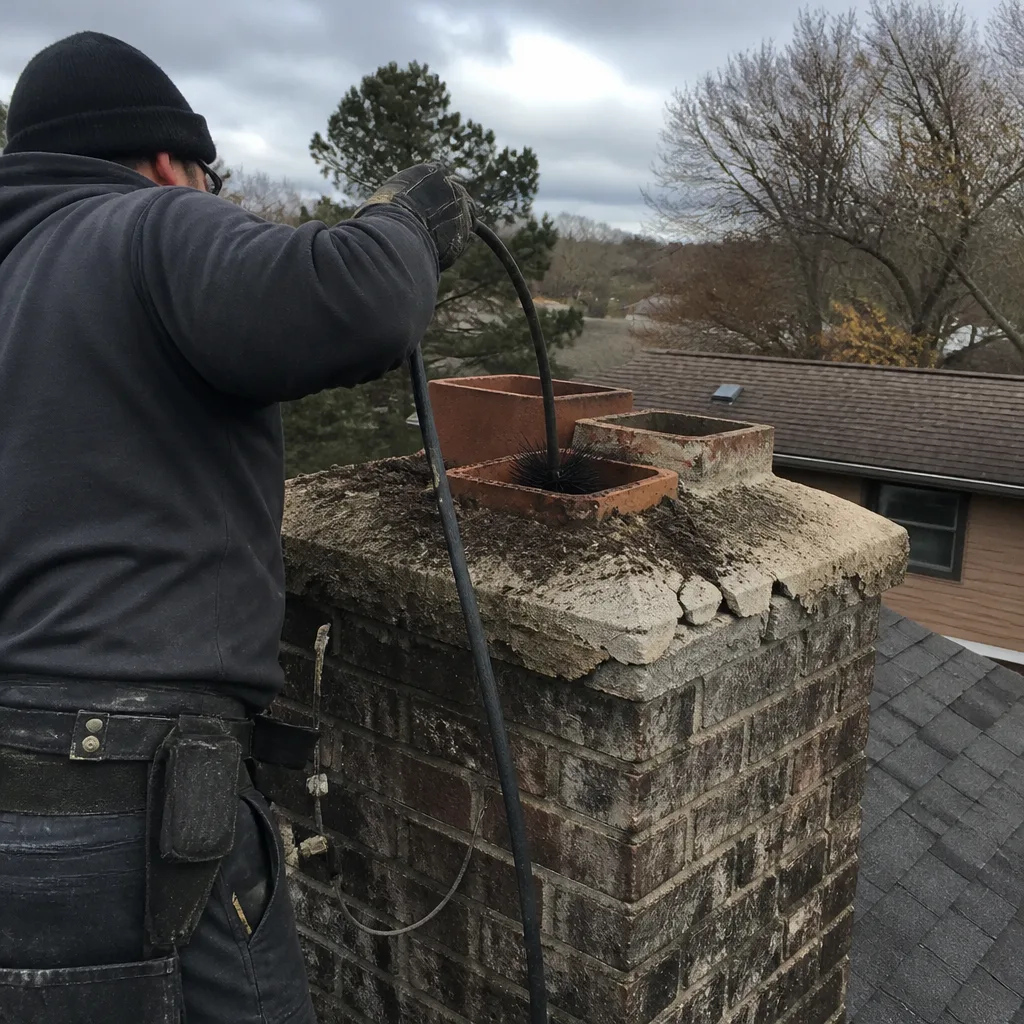 Before
 After
AfterThe Complete Guide to Chimney Cleaning in Orland Park
The NFPA estimates that 27% of home heating fires involve chimneys that were “recently cleaned.” That statistic should stop every Orland Park homeowner cold: the brush went up, the soot came down, but the hazard that actually caused the fire was never documented or addressed. In this guide, you’ll learn why a proper chimney cleaning in Orland Park is a five-stage process, not a single visit, and why most “sweeps” leave the most dangerous work undone. We’ll walk through what clay-tile flue liners in our 1960s-1980s housing stock mean for debris patterns, what written evidence you should hold in your hand at every stage, and how to read the documentation that proves your flue is actually safe, not just brushed.
Quick Answer
A complete chimney cleaning in Orland Park costs $199-$349 for a standard sweep with NFPA 211 Level 2 camera inspection, and should include a pre-cleaning camera scan, a written price before work starts, the cleaning itself, post-cleaning camera confirmation, and a documented photo record. Anything less than five stages leaves you without proof that the flue condition actually changed. In Orland Park’s freeze-thaw climate, clay-tile flues from the 1960s-1980s develop spalling fragments that brushes alone can miss, making that camera documentation essential.
Table of Contents
- What Complete Chimney Cleaning Actually Means: The Five Stages
- Orland Park’s Clay-Tile Flue Problem: What the Housing Stock Hides
- NFPA Level 2 Inspection vs. the Flashlight Look
- How to Read the Written Record: Codes, Photos, and Red Flags
- Seasonal Timing: Orland Park’s Freeze-Thaw Cycle and Demand Peaks
- What Chimney Cleaning Costs in Orland Park
- Common Mistakes to Avoid
- When to Call a Professional
- Frequently Asked Questions
BeforeAfterWhat Complete Chimney Cleaning Actually Means: The Five Stages
Most Orland Park homeowners think chimney cleaning is one thing: a technician with brushes and rods. That’s stage three of five. The other four stages determine whether the cleaning actually made your flue safer, or just cleaner-looking.
Here’s the sequence we follow on every job, and what you should receive at each step:
- Pre-cleaning camera scan. Before any brush touches the flue, a camera travels the full length of the liner. In Orland Park, where 1960s-1980s clay-tile construction dominates neighborhoods like Silo Ridge and Mallard Point, this scan often reveals spalled tile fragments, cracked flue sections, or Class III glazed creosote that brushing alone won’t remove. You should see these images yourself, or receive them in your record. Without this baseline, you cannot prove the cleaning changed anything.
- Written price and scope. Clause 1 of the Haven Standard requires a written price, written scope, and written warranty before anyone starts work, not after the technician is already in your living room. This document protects you from the common bait-and-switch: a low sweep price that balloons once “additional problems” are found. In Orland Park, we’ve reviewed competitor estimates that quoted $89 for a sweep, then recommended $2,400 in unverified liner work. Our Free Second Opinion on Any Written Estimate exists for exactly this scenario.
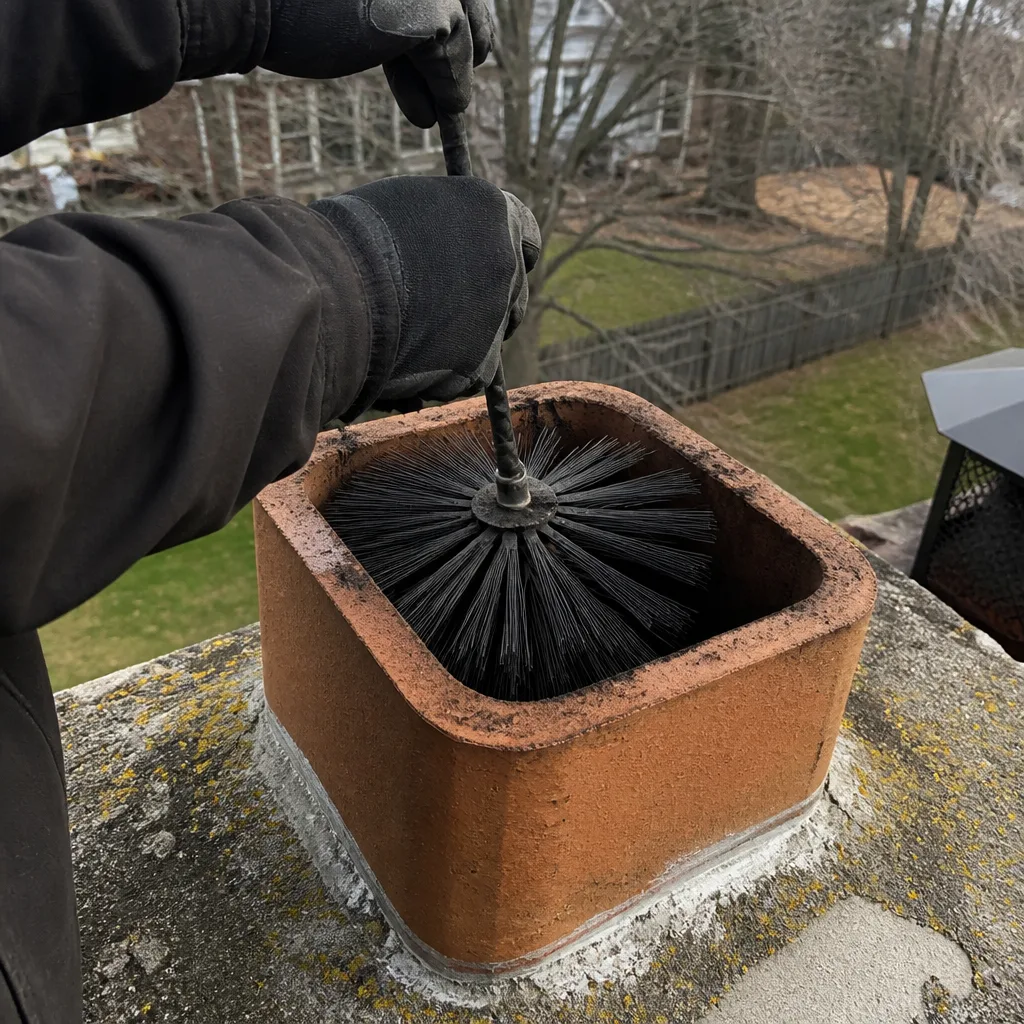
- The cleaning itself. Rotary brushes, hand brushes, and vacuums remove soot, creosote buildup, and debris. For standard Class I and II creosote, this is straightforward. For Class III glazed creosote, the hardened, tar-like deposit common in Orland Park fireplaces that burn unseasoned oak or maple from local suppliers, mechanical removal alone is insufficient. Chemical treatment or controlled heat may be required, and that should be noted in your written scope with a separate line item.
- Post-cleaning camera confirmation. The camera goes down again. This is where most sweeps stop, and where the NFPA’s 27% statistic originates. The flue looks cleaner, but was the cracked tile at the third course still cracked? Did the spalled fragment get removed or just pushed? Post-cleaning footage proves the condition changed, or documents what remains. Clause 4 of the Haven Standard requires this photo record on every job, a practice we started in 2009, years before regulators or insurers asked for it.
- Written record with documentation. You should walk away with photos, camera footage references, a written scope of what was done, and a written warranty. In Orland Park, where home sales in neighborhoods like Tanglewood and Heatherfield often trigger inspection requirements, this record becomes part of your property’s maintenance history. Our 38,000+ chimney inspections and cleanings since 2009 have produced a documented archive that has helped homeowners settle insurance claims, satisfy buyer requests, and plan multi-year maintenance budgets.
The 365-Day Done Right Promise backs every stage: if it’s not done right, we make it right. That promise is stamped on every job, not offered as an afterthought.
Orland Park’s Clay-Tile Flue Problem: What the Housing Stock Hides
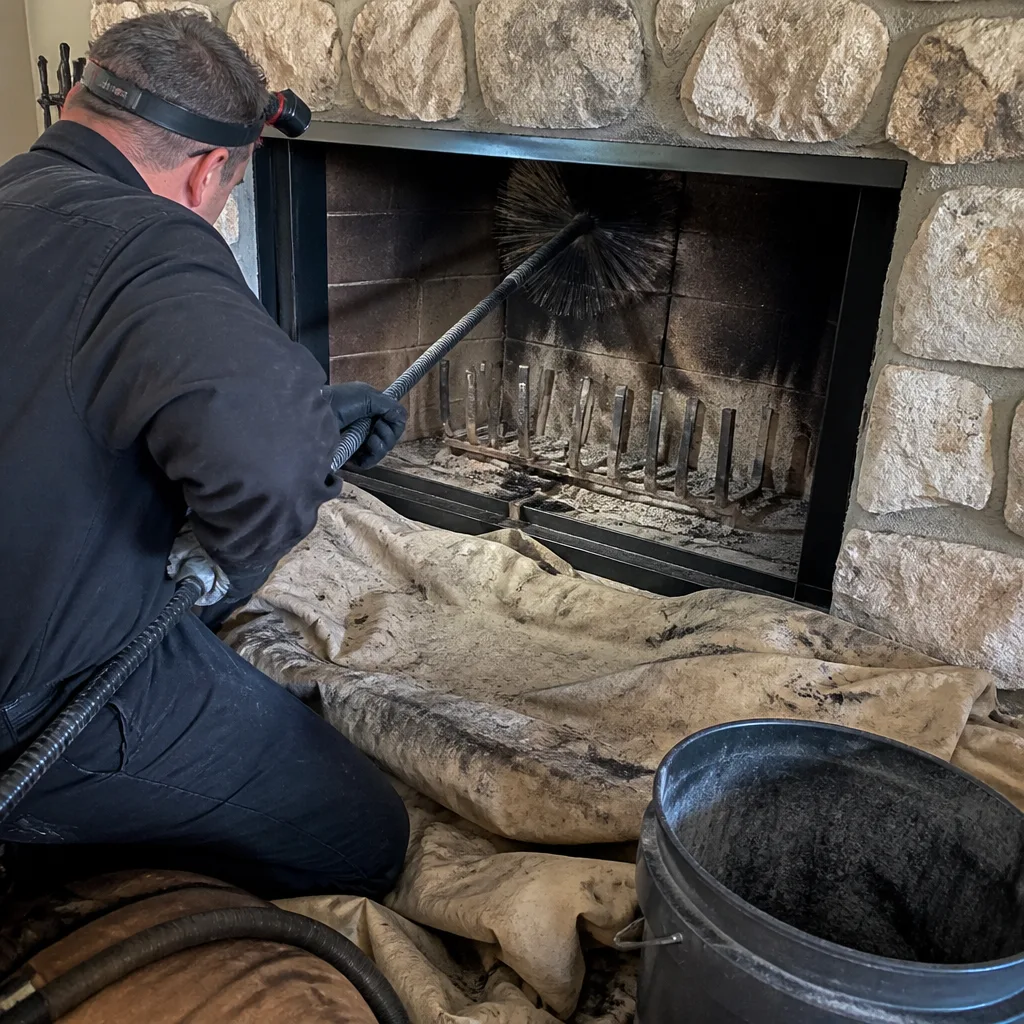
Orland Park’s residential construction peaked between 1965 and 1985, and most of those homes received clay-tile flue liners: 8″×8″ or 8″×12″ terra cotta sections stacked and mortared inside the chimney structure. Clay tile performs adequately when intact, but decades of Chicago south suburb freeze-thaw cycling create specific failure modes that a brush-only sweep will miss entirely.
Here’s what happens in Orland Park’s climate. Water enters through crown cracks or deteriorated mortar joints. Winter temperatures drop to single digits, the water freezes and expands, and the clay tile face spalls, flakes, or cracks. Spring thaw reveals the damage, but homeowners rarely look. The sweep arrives with brushes, removes loose soot, and leaves the spalled fragments and cracked sections undocumented.
In our work across Orland Park, from older neighborhoods near 143rd and LaGrange to newer construction south of 159th, we regularly find these patterns during pre-cleaning camera scans:
- Spalling at the smoke chamber junction. The transition from firebox to flue liner concentrates heat and collects condensation. Clay tile here degrades first, producing fragments that brushes push around but don’t remove.
- Vertical cracks at mortar joints. Freeze-thaw expansion separates tile sections. A crack as narrow as 1/16 inch can allow flue gases to reach the chimney structure, and standard brushes won’t detect it without camera visualization.
- Glazed creosote behind spalled surfaces. The rough, pitted surface of deteriorating tile traps creosote deposits that appear minimal from the firebox but accumulate in hidden pockets. Only camera inspection reveals the true depth.
These conditions mean that in Orland Park, a “clean” chimney can still be an unsafe chimney. The brush removed soot you could see; the camera finds hazards you couldn’t. This is why we source liner repair materials from HeatShield and DuraFlex specifically: their systems address clay-tile degradation without full liner replacement when conditions permit, and we procure through Haven’s buying network to keep customer prices honest.
When we inspect homes near Lake Sedgewick or in the Centennial Park area, we explain this directly: your flue may need more than a sweep, or it may need nothing beyond documentation. The camera evidence determines which, not our preference for selling additional services.
NFPA Level 2 Inspection vs. the Flashlight Look
Most chimney companies in Orland Park advertise “inspection included.” What they deliver is a flashlight examination from the firebox opening: the technician shines a light up the flue, notes visible soot, and calls it inspected. This is not an NFPA 211 Level 2 inspection, and it cannot detect the conditions that cause chimney fires or carbon monoxide infiltration.
The National Fire Protection Association defines three inspection levels. Level 1 is visual, from accessible areas, without tools. Level 2 requires camera examination of the full flue interior, accessible portions of the chimney exterior, and specific documentation. Level 3 involves demolition of building materials and is reserved for suspected hidden hazards.
For every chimney cleaning in Orland Park, Emberly Chimney Cleaners performs Level 2 inspection as standard. This means:
- A camera-mounted system traverses the entire flue length, from smoke chamber to crown, recording video and still images
- The technician examines the chimney exterior for crown condition, flashing integrity, and structural soundness
- The firebox, smoke chamber, damper assembly, and hearth are evaluated for code compliance and safe operation
- All findings are documented with photos, written descriptions, and recommendations prioritized by urgency
The flashlight look takes 3-5 minutes. A proper Level 2 inspection takes 45-90 minutes depending on flue length and condition. The difference matters because Orland Park’s building code, aligned with NFPA 211 and enforced by the Village’s Community Development Department, requires safe chimney operation but does not mandate inspection depth. Homeowners must verify what they’re receiving.
We assign a named, background-checked, uniformed technician to every Orland Park job, with license information displayed and a text notification when they’re en route. You know who’s coming, what they’ll do, and what documentation you’ll receive. That’s H.A.V.E.N. standard: Arrive on schedule, Verified crews.
How to Read the Written Record: Codes, Photos, and Red Flags
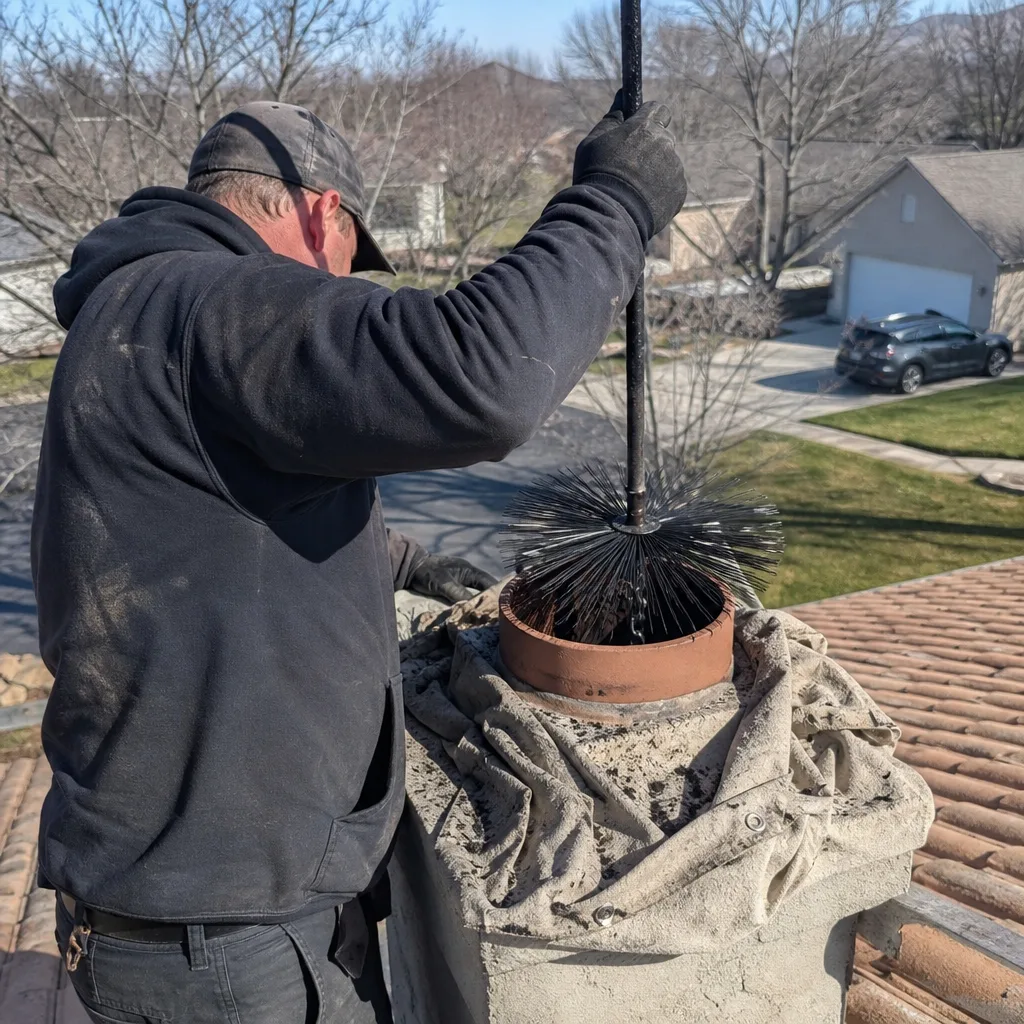
After a complete chimney cleaning in Orland Park, you should hold specific documentation - our step-by-step guide to hiring a chimney cleaning contractor explains what to expect. Knowing how to read it protects you from incomplete work and from unnecessary sales pressure.
What the record should include:
- Pre-cleaning camera images with location markers. Each photo should indicate depth in the flue (measured in feet from the smoke chamber). Vague images without location data cannot be compared to post-cleaning footage.
- Creosote classification. Class I (sooty, easily brushed), Class II (granular, requires rotary tools), or Class III (glazed, hardened, may need chemical treatment). The classification determines whether the cleaning method was appropriate.
- Flue liner condition assessment. Intact, spalled, cracked, or displaced. For clay tile, note which courses are affected. For stainless steel, note corrosion or separation at joints.
- Smoke chamber and firebox evaluation. Parged or unparge (smooth or rough), corbelled construction, clearance to combustibles.
- Exterior condition summary. Crown integrity, cap presence and condition, flashing status, brick or siding interface.
- Written scope of work performed. Specific actions, not generic “cleaned chimney” language.
- Written warranty and promise terms. Our 365-Day Done Right Promise is stamped on every record, with specific recourse if issues arise.
Red flags that indicate incomplete or misleading documentation:
- No pre-cleaning images. Without baseline, post-cleaning images are meaningless.
- No depth measurements on camera footage. You cannot verify location or compare conditions.
- Vague creosote description (“some buildup”) without classification. This avoids accountability for removal adequacy.
- Recommendations without photo evidence. In Orland Park, we’ve reviewed competitor records that recommended $3,000+ in liner replacement with zero images of liner damage. Our policy: nothing is recommended without camera evidence you can see for yourself.
- No written warranty or promise. Verbal assurances evaporate when problems arise.
When we complete a job in Orland Park neighborhoods like Eagle Ridge or The Trails, we review the record with the homeowner before leaving. You should understand what was found, what was done, and what can safely wait. Some conditions require immediate action; many do not. The documentation should make that distinction clear, not create pressure for instant decisions.
Seasonal Timing: Orland Park’s Freeze-Thaw Cycle and Demand Peaks
Chimney cleaning in Orland Park is not equally urgent year-round, but timing matters more than most homeowners realize. Our climate creates specific windows when scheduling is easier, pricing is stable, and prevention actually works.
The Chicago south suburb freeze-thaw cycle:
Orland Park experiences 20-30 freeze-thaw cycles annually, with temperatures crossing 32°F repeatedly from November through March. Each cycle drives moisture deeper into crown cracks and mortar joints, accelerating spalling and structural degradation. Chimneys cleaned and inspected in late summer or early fall enter burning season with documented baseline condition. Chimneys inspected only after winter damage has accumulated show worse conditions that might have been prevented or monitored.
Scheduling demand peaks:
Demand for chimney services in Orland Park spikes predictably:
- September 15-October 31: Pre-burning season rush. Appointment availability tightens, and some companies raise prices or rush inspections to maximize volume.
- January 2-15: Post-holiday realization. Homeowners who hosted gatherings notice drafting problems or odors, and emergency calls surge.
- March-April: Real estate transaction season. Home sales in Orland Park’s active market trigger inspection requirements, and buyers’ agents request documentation.
Optimal timing for Orland Park homeowners:
We recommend scheduling in May through August for several reasons. Appointment availability is widest. Technicians can work without weather pressure. Exterior inspection is easier and more thorough. And if repairs are needed, materials from our suppliers (Copperfield for caps, Famco for dampers) arrive without winter shipping delays. You’ll enter burning season with complete documentation and no urgency.
That said, we do not manufacture urgency. A chimney that was properly cleaned and documented last year and shows no use-pattern changes does not need annual re-cleaning. The NFPA recommends annual inspection, with cleaning frequency determined by use and fuel type. In Orland Park, where many homeowners burn seasoned hardwood 2-3 times weekly during winter, we typically see cleaning needs every 1-2 years. Heavy use of unseasoned wood, or frequent overnight burns, accelerates creosote accumulation.
What Chimney Cleaning Costs in Orland Park
Price transparency is central to how we operate. Below are the standard ranges for chimney cleaning and related services in Orland Park, based on our 38,000+ jobs since 2009. Every price is delivered in writing before work begins, with scope and warranty documented. We do not quote by phone without inspection; we do not surprise you with charges after arrival.
| Service | Typical Range in Orland Park | What’s Included |
|---|---|---|
| Standard chimney sweep with NFPA Level 2 inspection | $199-$349 | Pre-cleaning camera scan, rotary/mechanical cleaning, post-cleaning camera confirmation, documented photo record, written warranty |
| Class III glazed creosote removal (chemical treatment + mechanical) | $450-$750 | Application of creosote-modifying agent, controlled re-burn or mechanical removal, full camera documentation |
| Clay-tile flue repair (HeatShield cerfractory sealant) | $1,200-$2,800 | Camera-confirmed spall/crack sealing, smoke chamber parging, full documentation |
| Stainless steel liner installation (DuraFlex) | $2,800-$5,500 | Custom-measured liner, proper sizing for appliance, connection to insert or appliance, camera verification, written warranty |
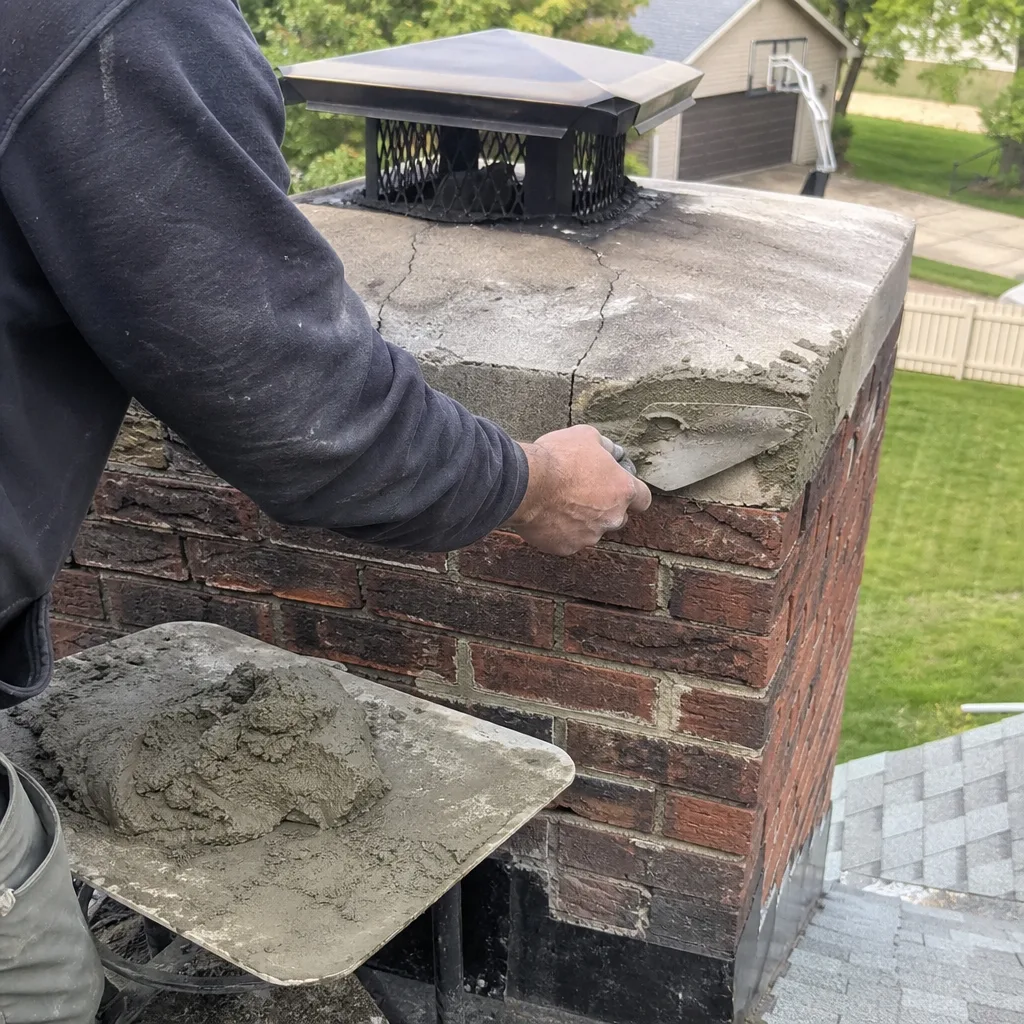
| Crown repair or rebuild | $650-$1,800 | Crack sealing or full pour, proper slope and overhang, curing protection |
Factors that affect your specific price in Orland Park:
- Flue accessibility. Rooftop access, interior height, and appliance configuration affect labor time.
- Appliance type. Fireplace inserts, wood stoves, and gas log sets require different cleaning approaches and access methods.
- Debris volume and type. Heavy Class III creosote or animal nesting (common in Orland Park’s mature-tree neighborhoods) requires additional time and disposal.
- Repair needs identified during inspection. We separate cleaning from repair in our written scope. You can approve or decline any repair recommendation without pressure, and our Free Second Opinion on Any Written Estimate lets you verify competitor quotes.
Call (708) 294-2571 for scheduling. Estimates are free, and our live phone support runs 24 hours a day, 7 days a week. You’ll speak to a person, not a voicemail system.
Common Mistakes to Avoid
- Booking a “sweep special” without confirming inspection depth. Orland Park mailers and social ads promote $79-$99 sweeps that include no camera inspection. You’re paying for a brush rental, not a safety evaluation. Always ask: will the full flue be camera-scanned before and after cleaning?
- Assuming clean-looking firebox means clean flue. Soot accumulates at the top third of the flue first, where temperatures drop and condensation forms. The firebox can look fine while the upper flue harbors hazardous buildup. Only camera inspection reveals this.
- Ignoring spalled tile fragments. In Orland Park’s clay-tile inventory, small flakes and fragments seem like “just debris.” They’re symptoms of freeze-thaw degradation that will accelerate. Documentation now enables monitoring; ignorance leads to sudden liner failure.
- Scheduling only when problems appear. Odors, drafting issues, or visible smoke in the room indicate conditions that have already developed. Preventive inspection catches creosote buildup, crown cracks, and cap failures before they become emergencies.
- Accepting verbal recommendations without written documentation. Any recommendation for liner work, crown repair, or masonry rebuild should be accompanied by dated photos with location markers. Verbal descriptions without images cannot be verified or compared.
- Using unseasoned local hardwood. Oak and maple from Orland Park-area suppliers often arrives at 30-40% moisture content. Properly seasoned wood burns at 20% or below. Burning wet wood produces Class III creosote rapidly, increasing cleaning frequency and fire risk.
- Neglecting the exterior. Crown cracks and deteriorated flashing admit the water that drives Orland Park’s freeze-thaw damage. Interior cleaning does not address exterior water intrusion, and both are necessary for flue preservation.
When to Call a Professional
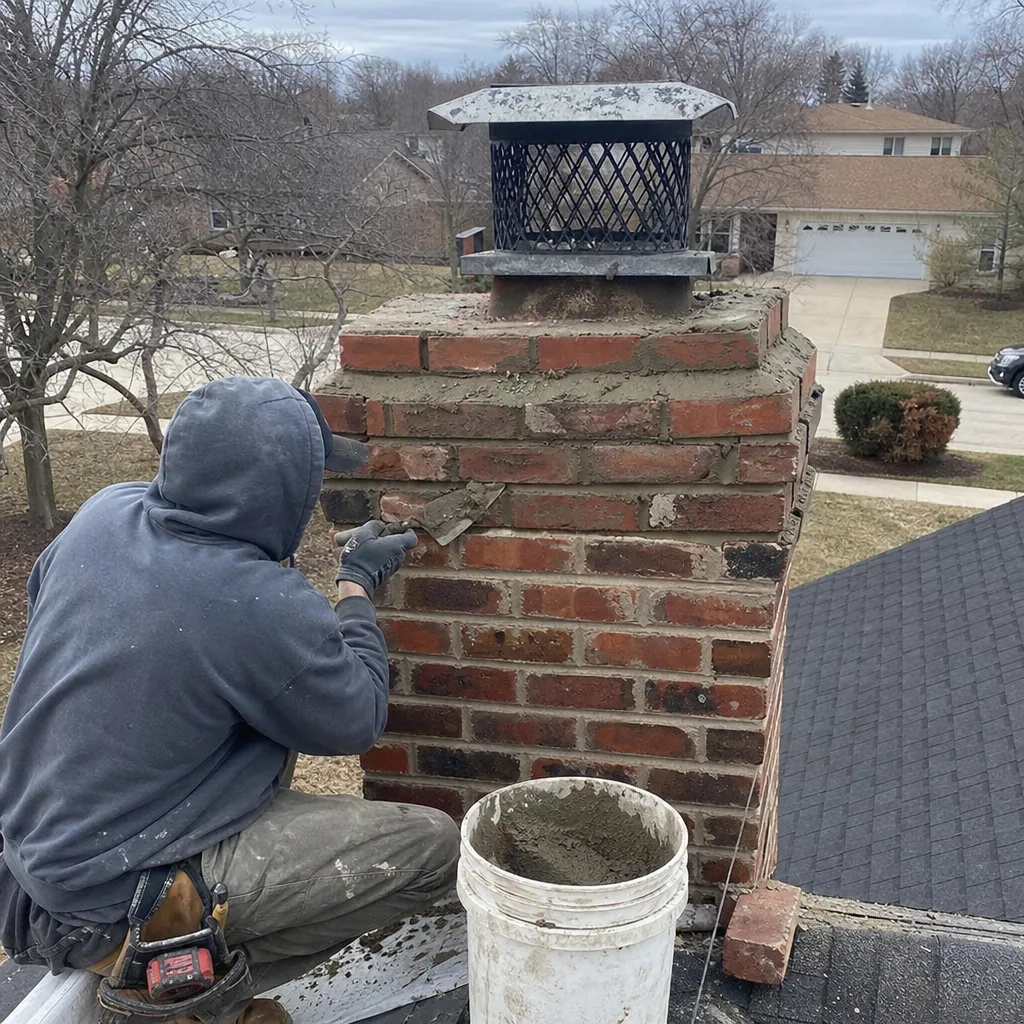
Call a qualified chimney professional when you notice any of these conditions: visible creosote flakes falling into the firebox, smoke entering the room during normal operation, a persistent acrid odor even when the fireplace is cold, or white efflorescence staining on exterior brick indicating moisture intrusion. In Orland Park’s freeze-thaw climate, these symptoms rarely resolve themselves and typically worsen through winter.
Also call before any real estate transaction, before installing a new heating appliance or fireplace insert, and after any chimney fire event, however minor. The NFPA requires Level 2 inspection after operational changes or suspected damage.
Emberly Chimney Cleaners Orland Park offers free estimates in Orland Park. Call (708) 294-2571 to schedule, or visit our Chimney Sweep in Orland Park page for service details. Our Emberly Chimney Cleaners Orland Park home page has full company information, and we also provide Chimney Repair in Orland Park and Fireplace Services in Orland Park for needs beyond cleaning.
Frequently Asked Questions
A standard chimney sweep with NFPA 211 Level 2 camera inspection in Orland Park typically costs $199-$349. This includes pre-cleaning and post-cleaning camera scans, mechanical or rotary cleaning, a documented photo record, and written warranty. Class III glazed creosote removal runs $450-$750. Call (708) 294-2571 for an exact quote - estimates are free.
For typical Orland Park homeowners burning seasoned hardwood 2-3 times weekly, every 1-2 years is standard. The NFPA recommends annual inspection, with cleaning frequency determined by use, fuel type, and creosote accumulation rate. Heavy use of unseasoned wood, frequent overnight burns, or fireplace insert operation may require annual cleaning. Camera inspection reveals actual buildup; calendar-based cleaning without inspection may be unnecessary or insufficient.
Not necessarily. Many Orland Park chimneys with clay-tile flues have localized spalling or cracking that HeatShield cerfractory sealant can repair without full replacement. We recommend liner replacement only when camera inspection shows: multiple cracked or displaced tiles, gaps exceeding 1/2 inch that allow gas migration, or deterioration that repair cannot safely address. Every recommendation comes with dated photo evidence you can see yourself, and our Free Second Opinion on Any Written Estimate lets you verify competitor claims.
Skipped cleaning allows creosote accumulation, which narrows the flue and increases fire risk. Class III glazed creosote ignites at approximately 451°F, and chimney fires can reach 2,000°F, damaging clay tile and nearby structures. In Orland Park’s freeze-thaw climate, deferred maintenance also means undetected water intrusion accelerates spalling and structural degradation. Carbon monoxide risk rises if flue gases leak through cracked tile into living spaces. The hazard is real, but so is unnecessary repair sales pressure - camera documentation distinguishes actual need from manufactured urgency.
A sweep removes deposits; an inspection evaluates condition. In practice, they should occur together. A sweep without inspection cannot prove deposits were fully removed or identify underlying damage. An inspection without cleaning leaves hazardous material in place. Emberly Chimney Cleaners performs both as standard, with camera documentation at each stage. The Haven Standard requires this integration: Clause 4’s photo record captures pre-condition, post-cleaning verification, and any repair needs in one documented visit.
We do not recommend DIY chimney cleaning for Orland Park homeowners. The flue interior is not safely accessible without proper equipment, and clay-tile flue damage cannot be assessed without camera inspection. More critically, chimney work involves heights, confined spaces, and exposure to carcinogenic creosote particulates. A trained professional has the equipment, documentation protocols, and liability coverage to perform the work safely and prove it was done correctly. For basic maintenance between professional visits, burn only seasoned hardwood, maintain proper air supply, and schedule annual inspection.
The Bottom Line
Chimney cleaning in Orland Park is not a single service but a five-stage process: pre-cleaning camera scan, written price, cleaning, post-cleaning camera confirmation, and documented record. The brush matters less than the documentation that proves what the brush achieved. In our local housing stock of 1960s-1980s clay-tile flues, freeze-thaw degradation creates specific hazards that camera inspection reveals and brush-only service misses. Demand written evidence at every stage, understand what Orland Park’s climate does to your flue, and schedule preventive maintenance before urgency distorts your decisions. For more guides & resources, visit our blog. The 27% of “recently cleaned” chimneys that still cause fires were brushed, not inspected. The difference protects your home.
Written by Corrine Halstead, Owner at Emberly Chimney Cleaners Orland Park, serving Orland Park since 2009.