
Last updated September 22, 2026
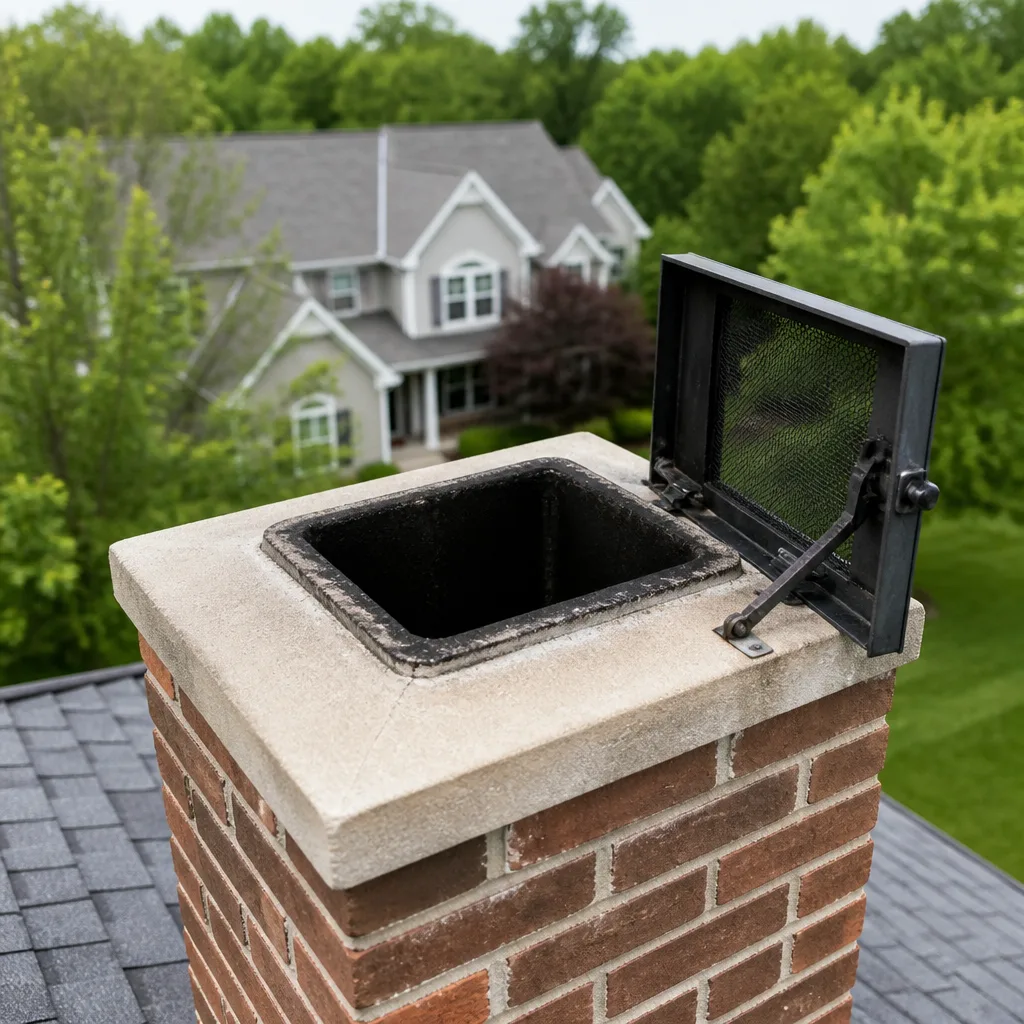
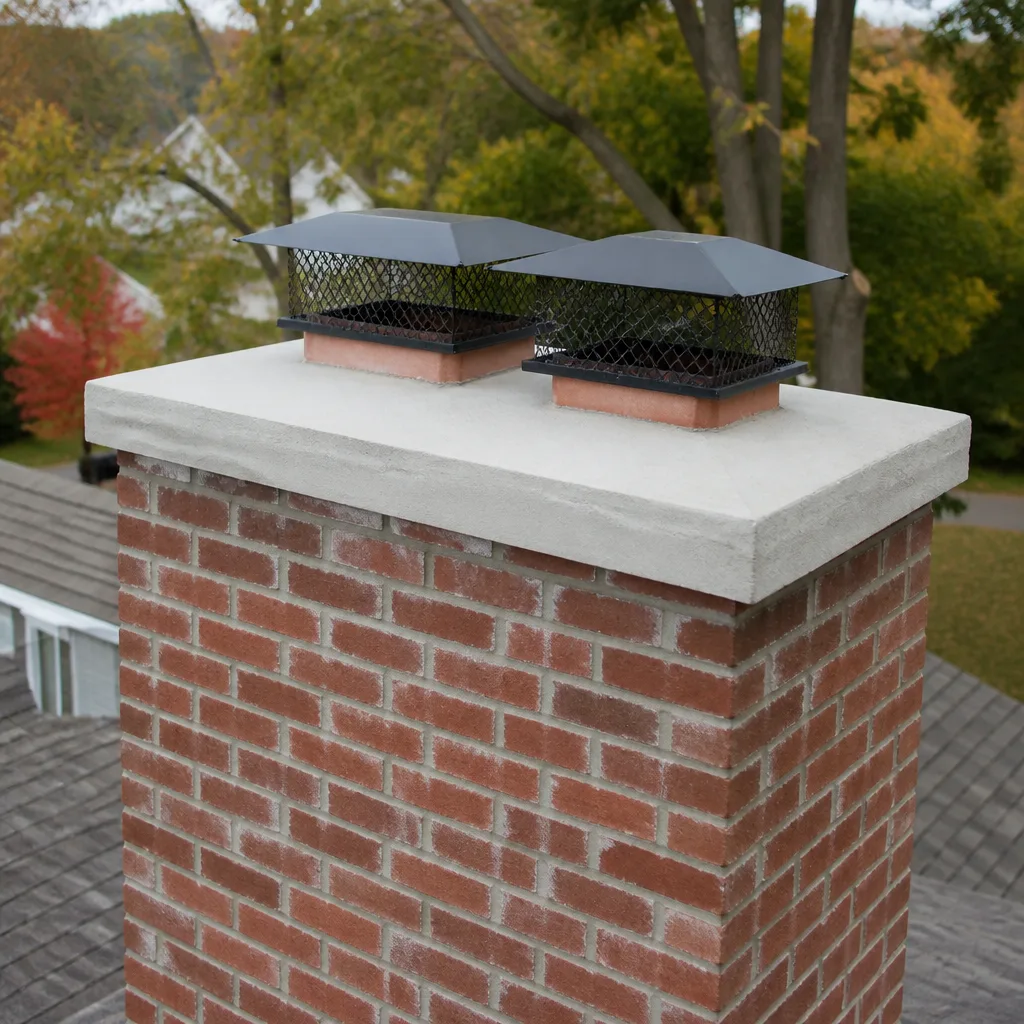
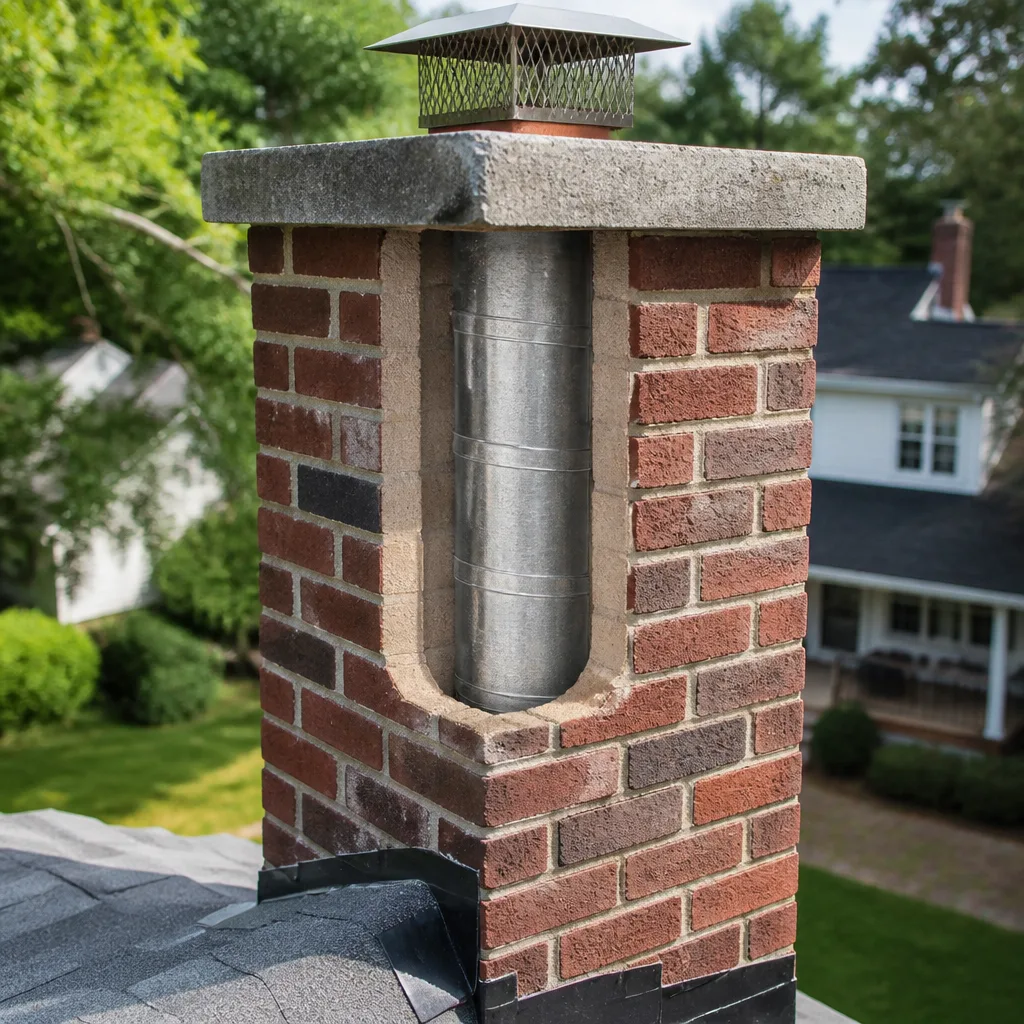
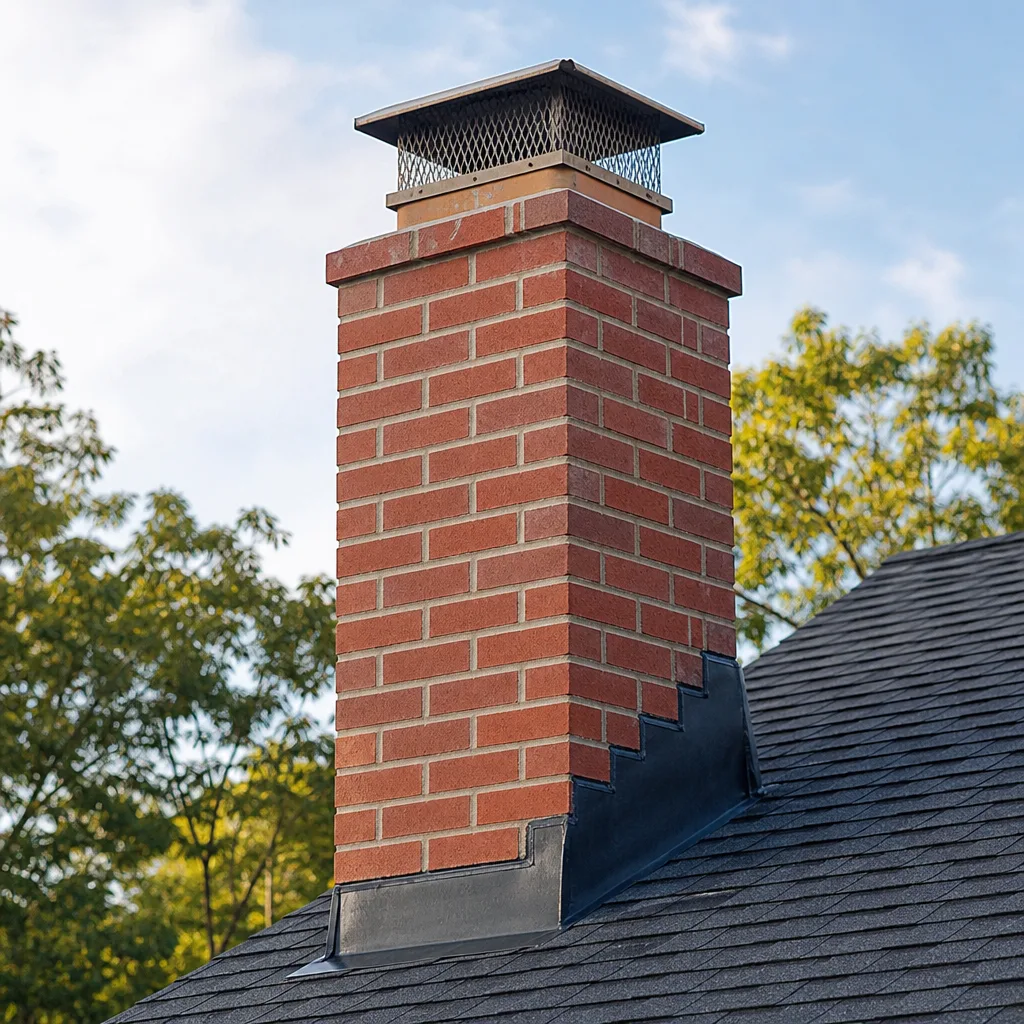
Level 1 sweep and inspection to the NFPA 211 annual standard - flue, crown, cap, and flashing checked and photographed
Chimney sweep logs do not sweep chimneys. They loosen some creosote - which then falls where a brush and vacuum still have to collect it.
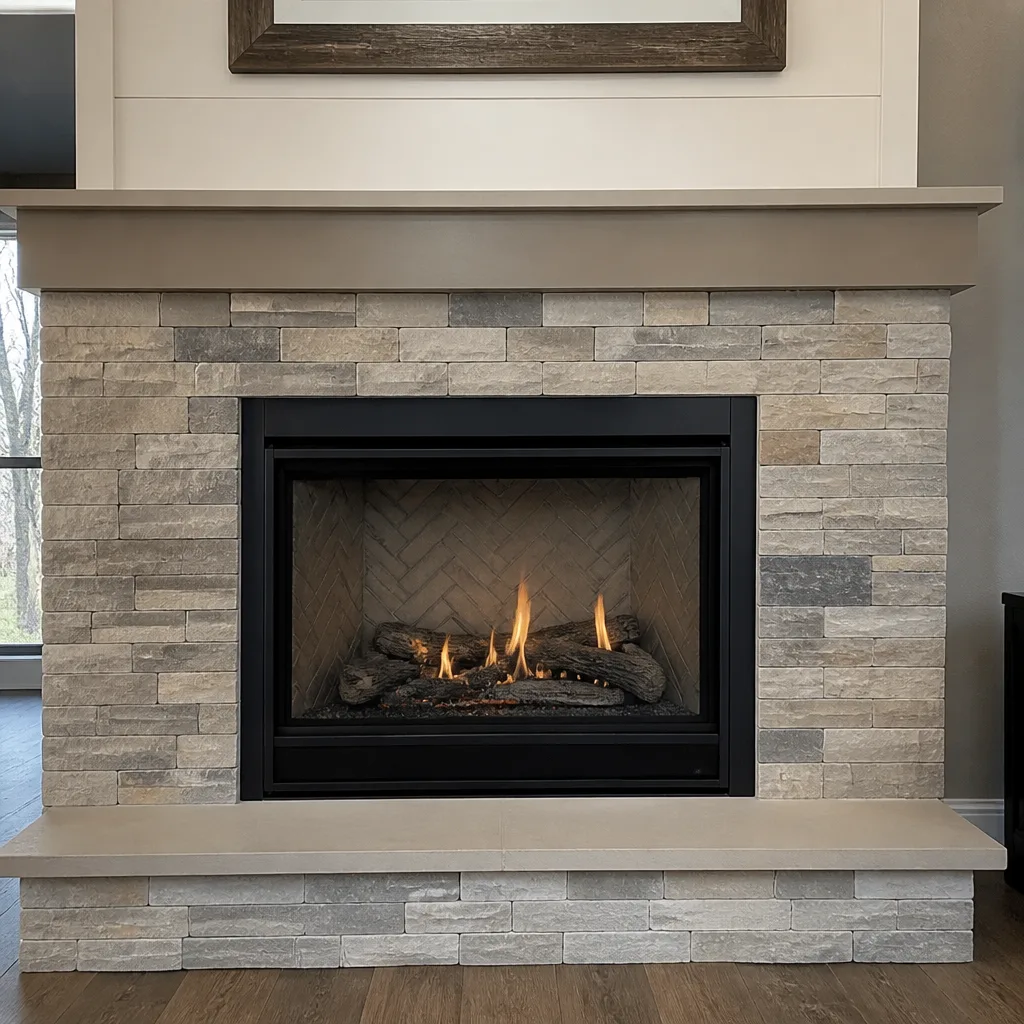
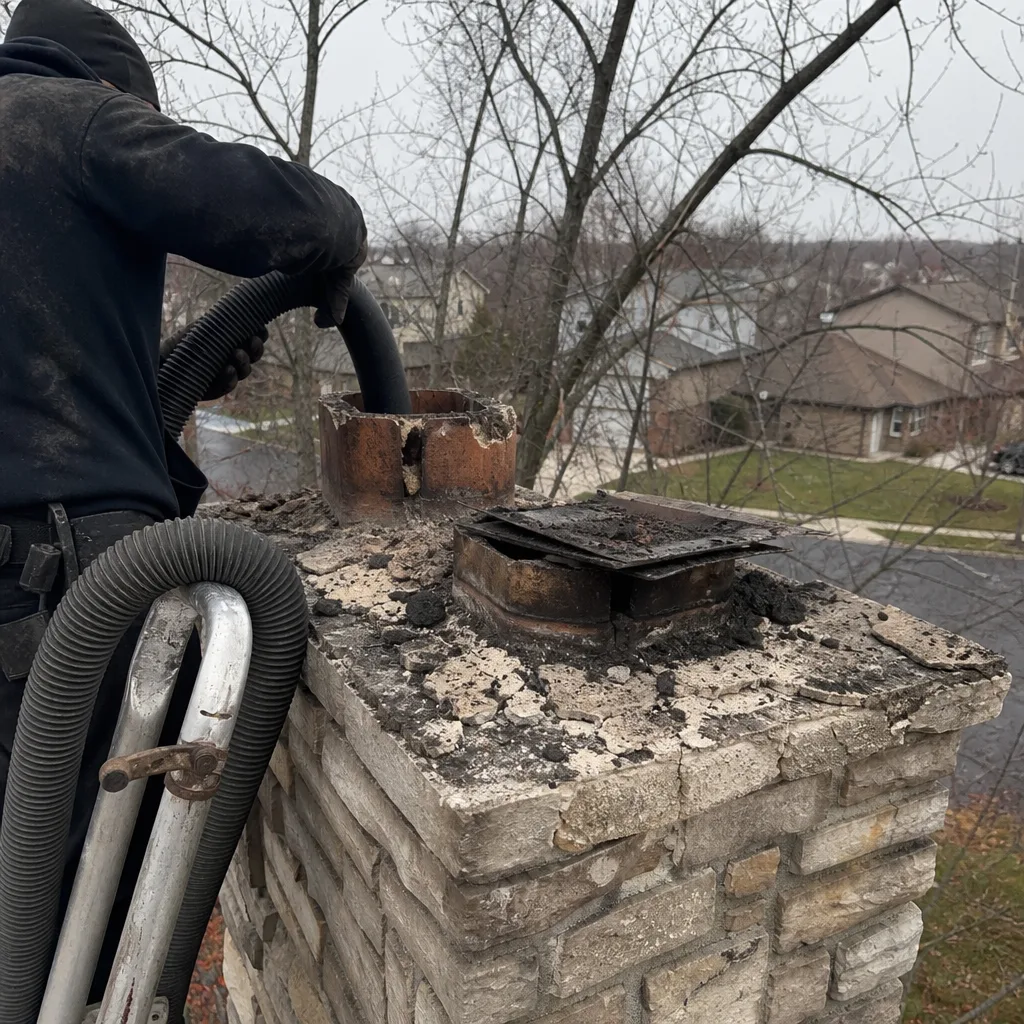 Before
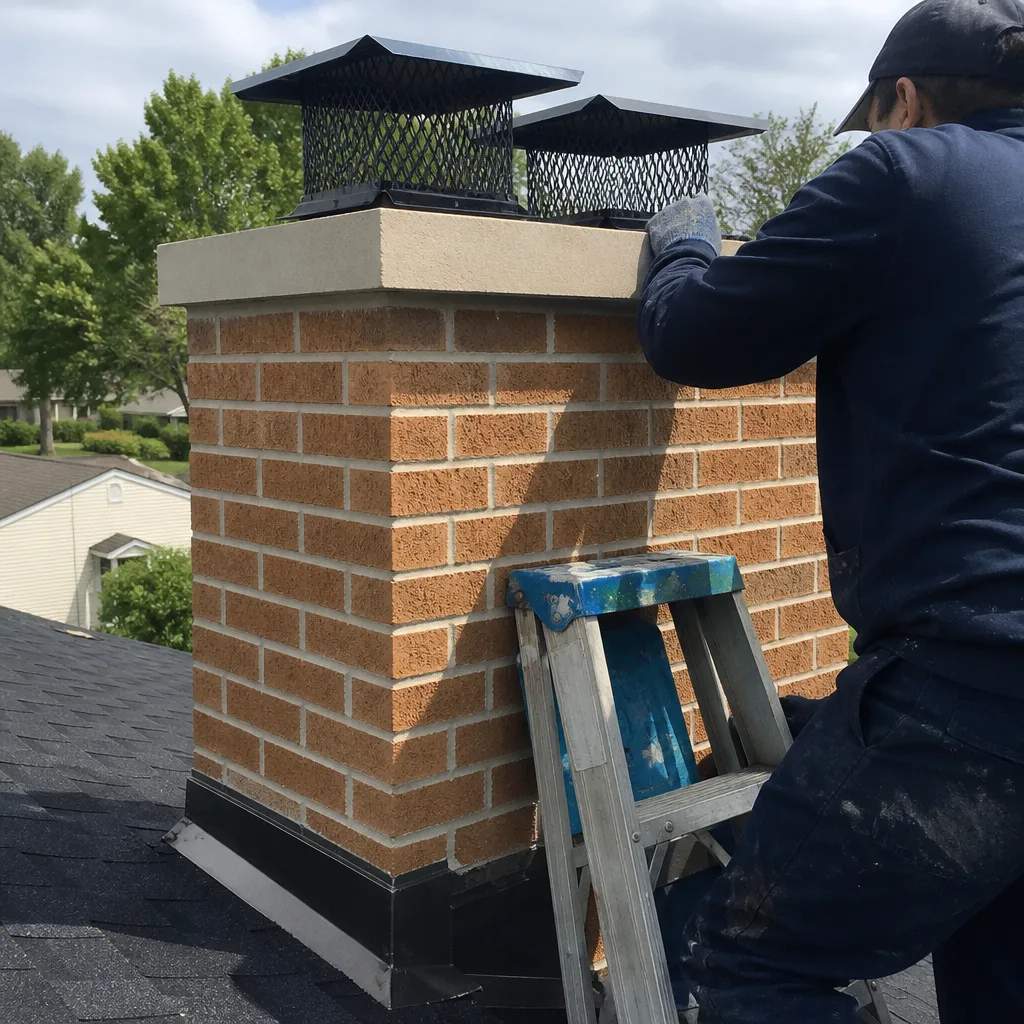 After
After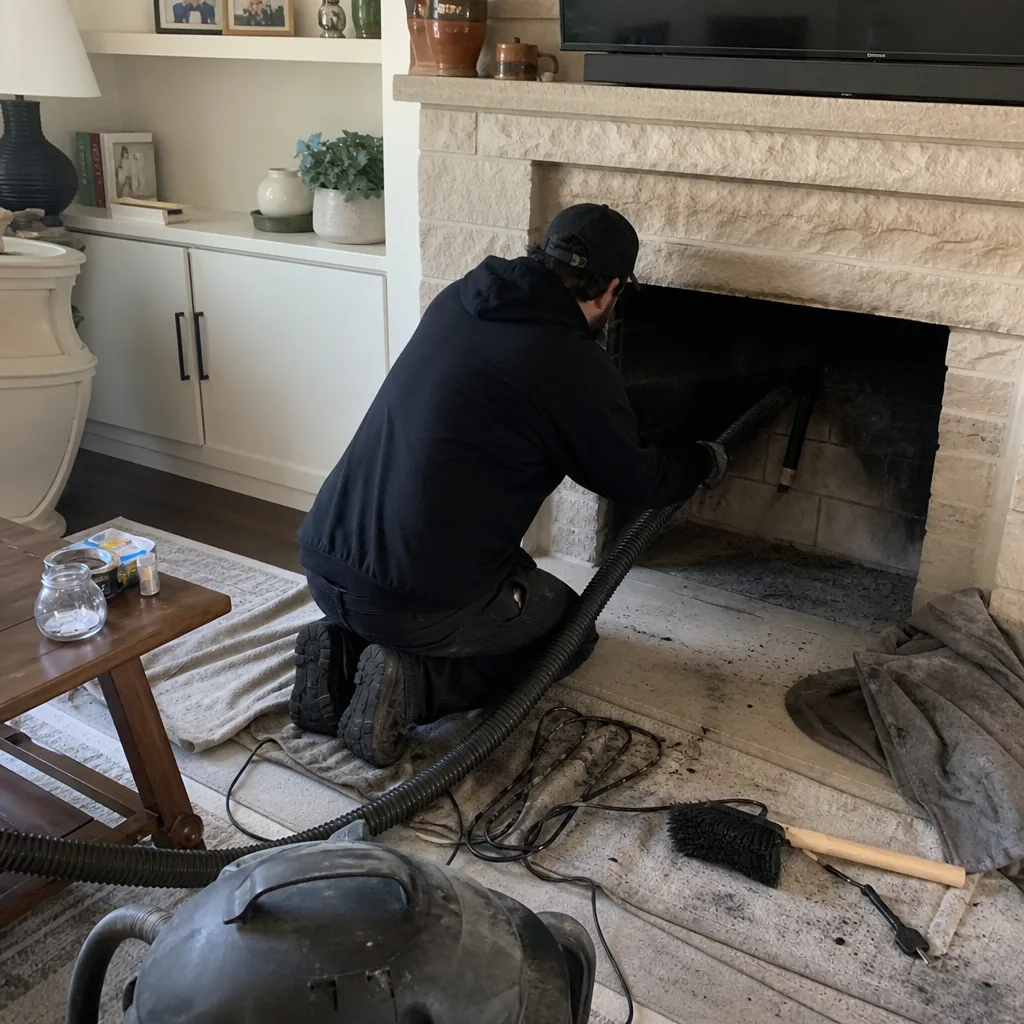 Before
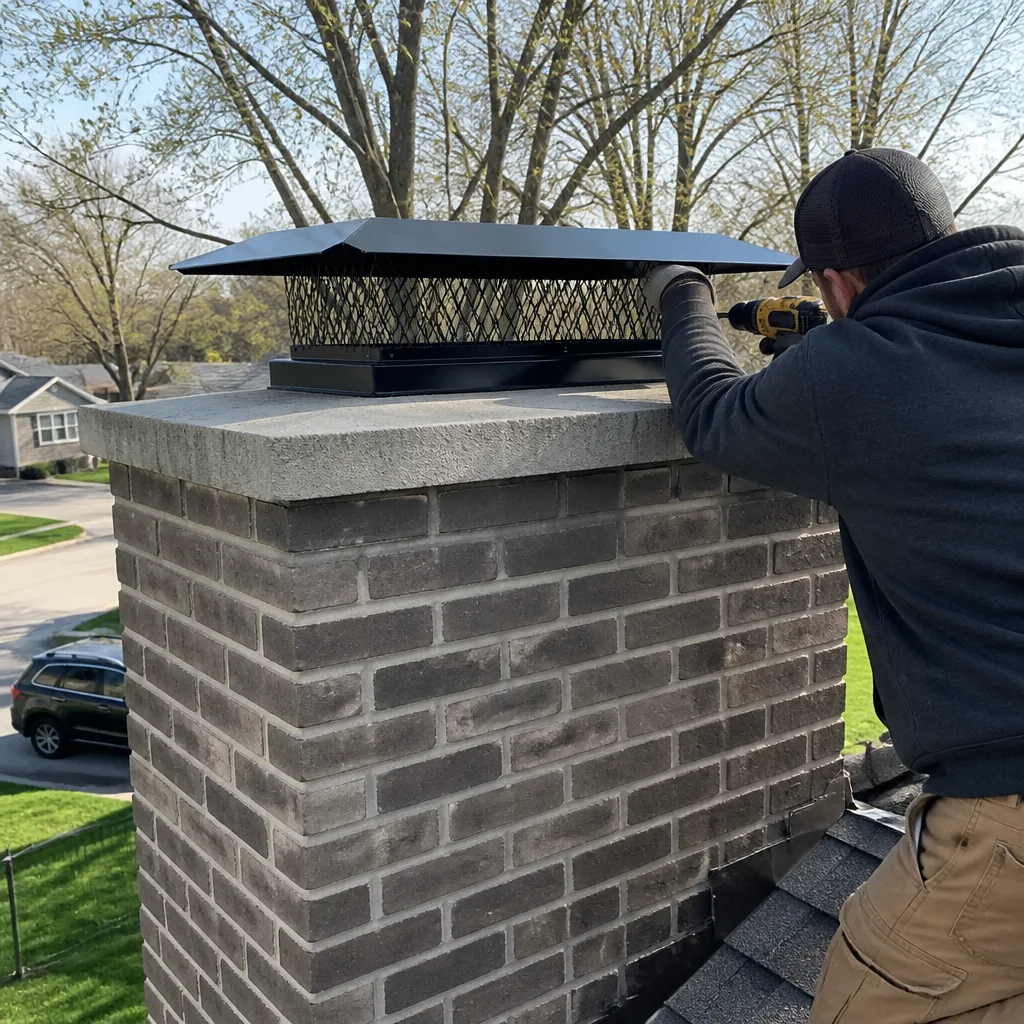 After
After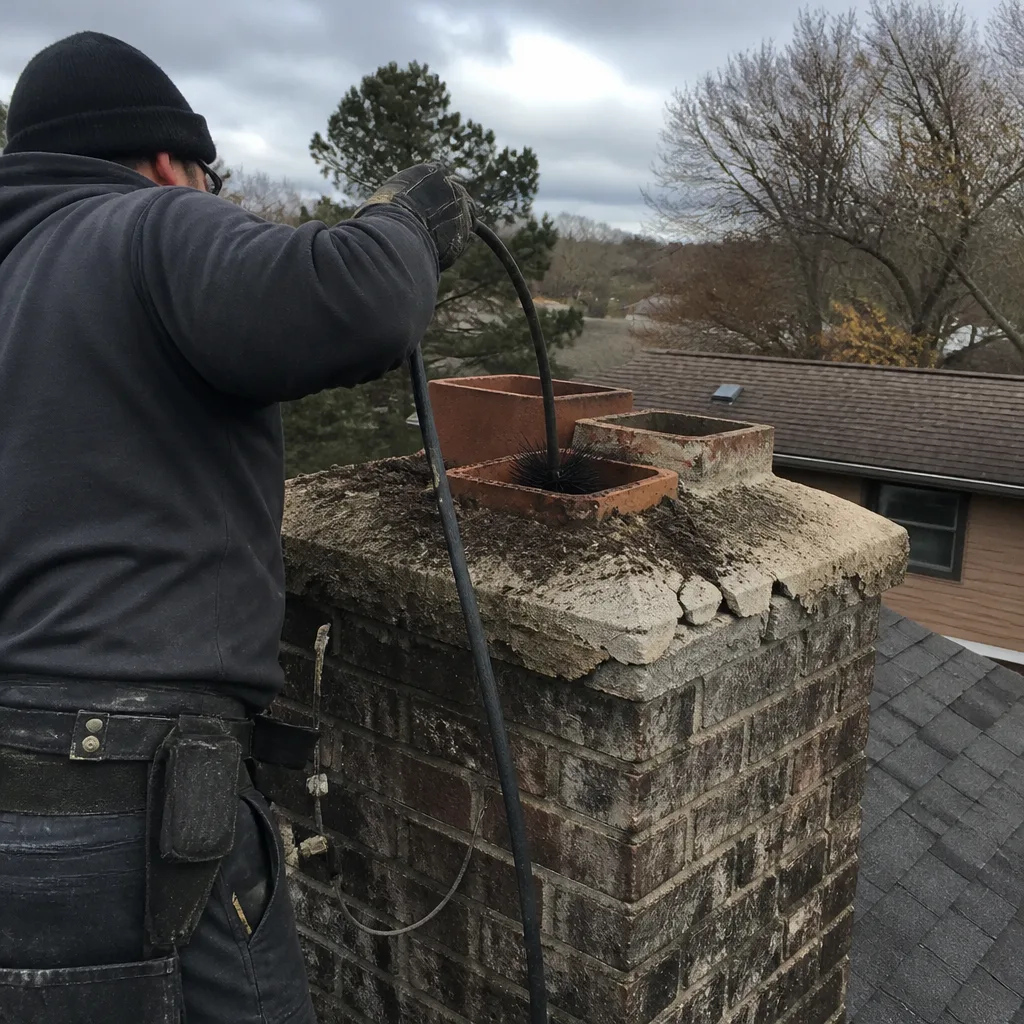 Before
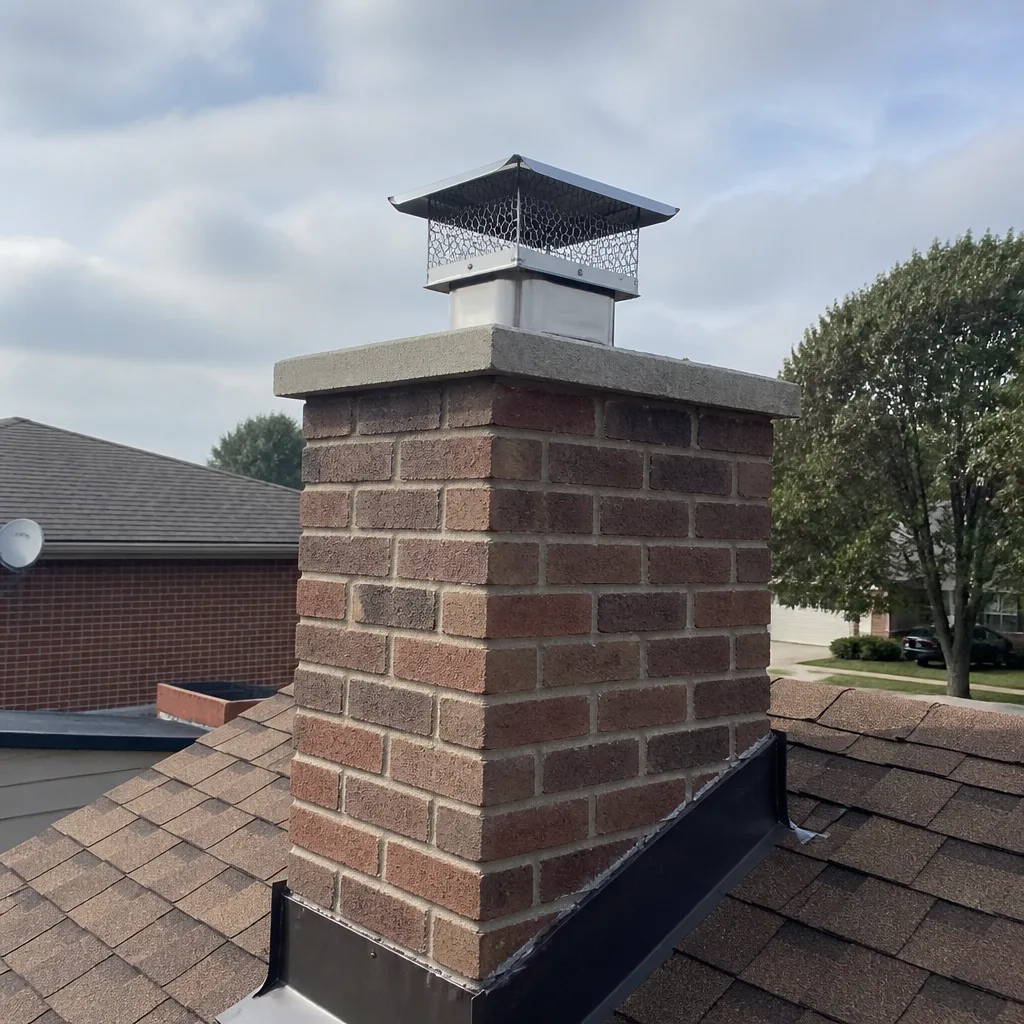 After
AfterDIY vs Professional Chimney Cleaning: The Orland Park Homeowner’s Decision Guide
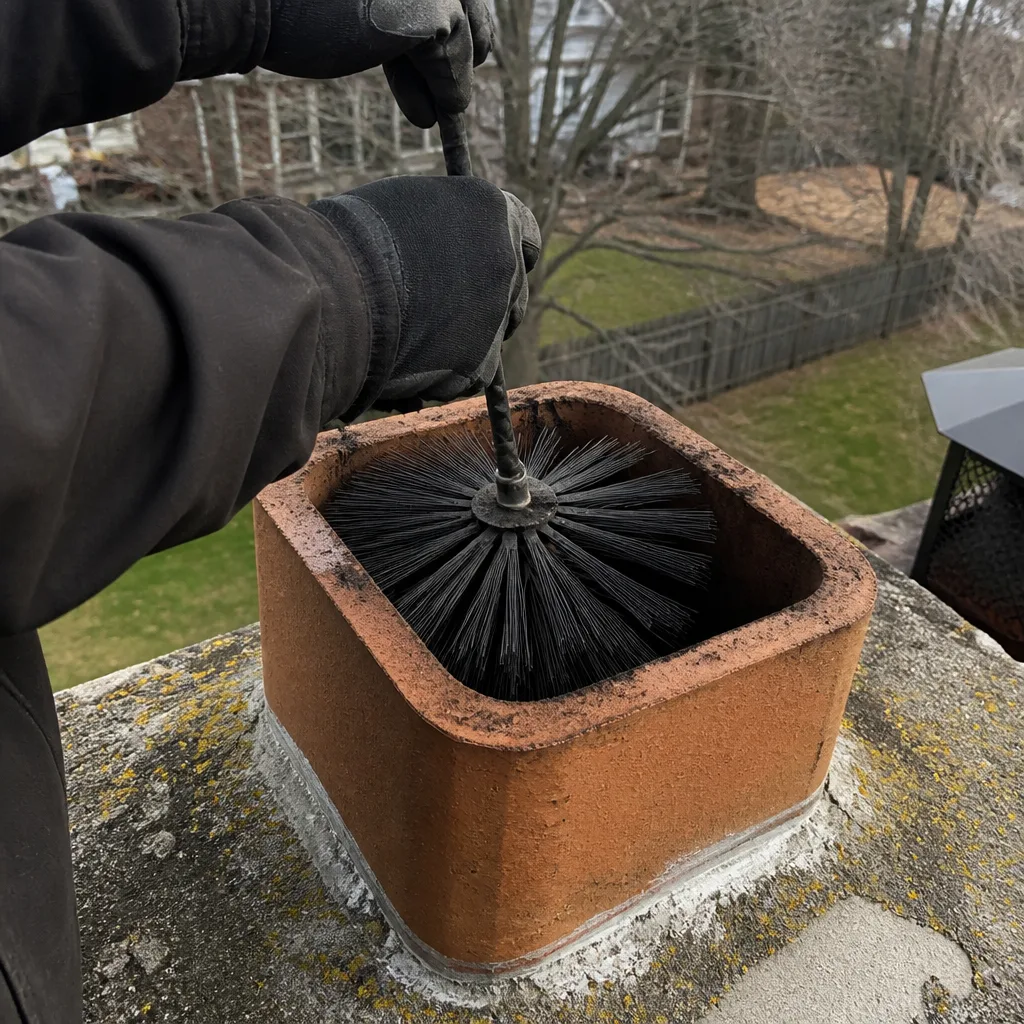
A quality chimney brush kit costs $80-$150 and will move creosote out of your firebox. It will not show you the tile joint that cracked last February three feet above the smoke chamber, which is where most Orland Park liner failures originate. In this guide, we’ll walk through exactly what a homeowner can accomplish with a brush and shop vac, what requires a camera, a chemical treatment, or a trained eye, and where the documentation gap becomes the deciding factor. For how to hire a chimney cleaning contractor in Orland Park, see our step-by-step companion guide. If you’re weighing the cost of a DIY kit against a professional sweep in Orland Park, here’s the honest breakdown we wish every homeowner had before making the call.
Quick Answer
DIY chimney cleaning in Orland Park can safely remove loose, flaky Stage 1 creosote from a straight, accessible flue, but it cannot produce the camera-documented condition record that insurers, home buyers, and the NFPA 211 standard require. For Orland Park’s aging clay-tile flue stock, a professional Chimney Sweep in Orland Park with NFPA 211 Level 2 camera inspection is the only way to verify liner integrity and create a defensible pre- and post-condition record. Most homeowners find the break-even point favors professional service once documentation value, disposal logistics, and the inspection they still need are factored in.
Table of Contents
- What DIY Chimney Cleaning Can Actually Accomplish
- What DIY Structurally Cannot Do
- The Orland Park Clay-Tile Flue Problem
- The Real Cost Comparison, Done Honestly
- A Hybrid Approach That Makes Sense
- Safety Caveats for DIY Attempts
- Common Mistakes to Avoid
- When to Call a Professional
- Frequently Asked Questions
BeforeAfterWhat DIY Chimney Cleaning Can Actually Accomplish
A homeowner with the right kit, the right flue, and the right conditions can achieve meaningful results. The key is understanding where the boundary sits before you climb the ladder.
DIY cleaning works when all of these conditions are met:
- The flue is straight or has only gentle bends. Sharp offsets, common in 1970s Orland Park split-levels with fireplace inserts, will jam a standard brush and can damage tile.
- Creosote is Stage 1 only. Light, flaky, black deposits that brush off with moderate pressure. If you see shiny, tar-like coating or hard, glazed ridges, stop. That’s Stage 2 or 3 and requires chemical treatment before mechanical removal.
- The firebox and damper are fully accessible. You need to see the entire flue opening, operate the damper smoothly, and have headroom to work a brush rod vertically.
- You have proper PPE and disposal. N95 respirator minimum, not a dust mask. Creosote is a listed carcinogen. Disposal must follow Illinois EPA solid waste guidelines; burning it in a backyard fire pit is illegal in Orland Park and most of Cook County.
- The chimney is masonry, not a factory-built metal system. Metal flues require specific brush types and can be damaged by standard polypropylene bristles.
What you can realistically accomplish: removing loose particulate from the firebox floor to the smoke shelf, breaking up light creosote deposits in the flue proper, and improving draft efficiency modestly. We’ve seen conscientious homeowners in the Emberly Chimney Cleaners Orland Park home service area maintain clean fireboxes this way between professional visits.
What the brush kit includes: typically a 6″ or 8″ poly brush, 3-6 flexible rods, a scraper for the smoke shelf, and sometimes a vacuum adapter. Cost runs $80-$150 for a kit that fits standard flue dimensions. Olympia Chimney and Famco both make homeowner-grade kits available through hardware retailers in the Orland Park area.
The critical limitation: even a perfect DIY brush pass leaves you guessing about conditions above the reach of your arm and flashlight. You cannot see the flue wall three feet up, twelve feet up, or at the crown interface. In Orland Park, where freeze-thaw cycles from January through March stress clay tile joints annually, that blind spot matters.
What DIY Structurally Cannot Do
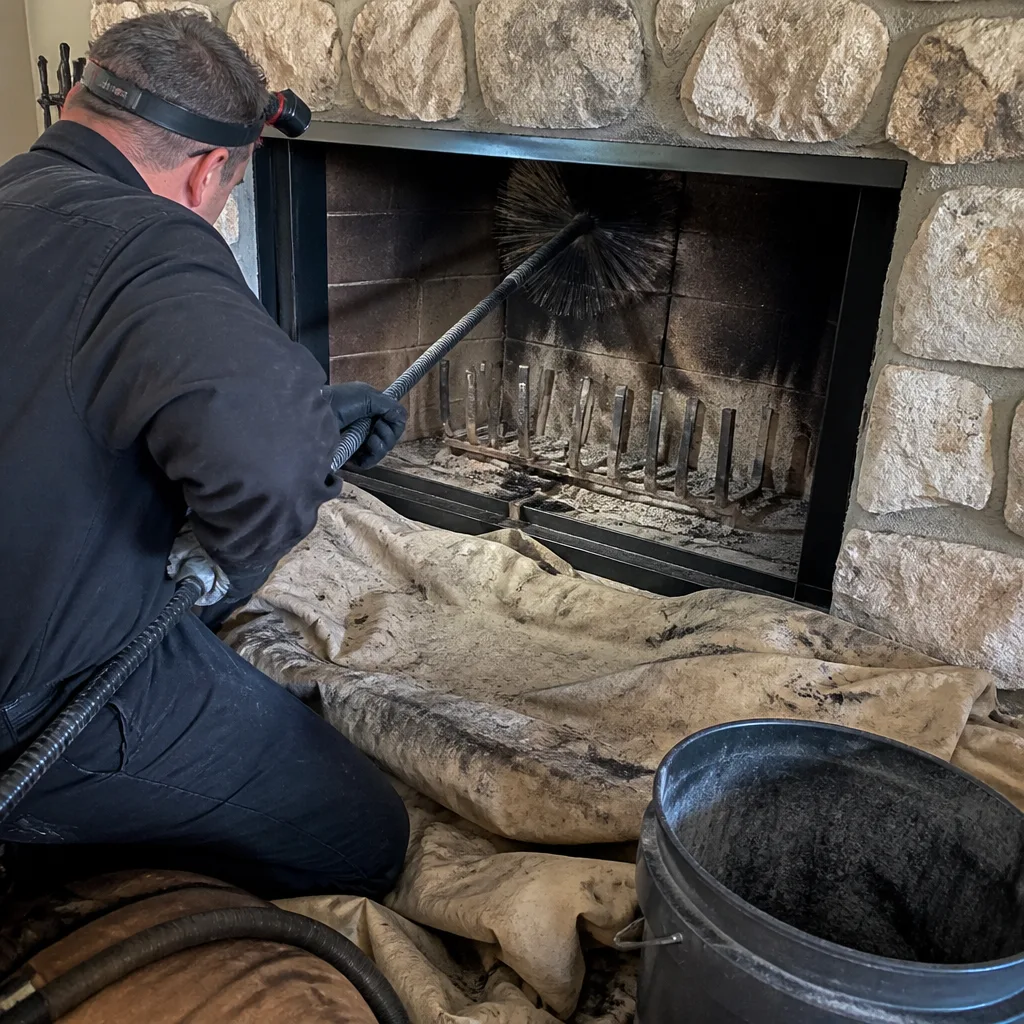
The gap between “looks clean” and “is documented as safe” is where DIY ends and professional service becomes necessary. This isn’t about skill. It’s about equipment, chemistry, and legal standing.
Camera documentation. A borescope or chimney camera costs $800-$2,500 for entry-level models capable of reliable flue inspection. More importantly, interpreting what the camera shows requires seeing thousands of flues to distinguish normal wear from active failure. We document every flue we inspect under Haven Standard Clause 4, which requires a photo record on every job. A homeowner with a hardware-store borescope can see images; they cannot produce a record that an insurer or buyer will accept as authoritative.
Stage 2 and Stage 3 creosote identification and treatment. Stage 2 creosote is tar-like, sticky, and adheres to flue walls. Stage 3 is glazed, hardened, and often described as “dripping candle wax” that solidified. Both require chemical modifiers - typically powder or spray applications that react over 24-72 hours - before mechanical removal is attempted. Attempting to brush glazed creosote without pretreatment can polish it to a harder, more dangerous surface. In Orland Park, we see Stage 3 buildup regularly in homes that burn unseasoned hardwood or use fireplaces as primary heat sources during polar vortex events.
Liner integrity assessment. A brush moves past a cracked tile. A camera stops and documents it. The difference is structural: a cracked flue liner allows heat, sparks, and combustion gases to reach combustible framing. NFPA 211 requires a Level 2 inspection - camera scan included - for real estate transactions, system changes, and after chimney fires. No brush kit satisfies this requirement.
Smoke chamber and firebox floor evaluation. The smoke chamber - the angled area above the damper that funnels gases into the flue - is where many Orland Park chimney fires originate. It’s also where parged surfaces degrade and expose corbelling brick. A brush rod doesn’t assess this. Neither does a flashlight held at arm’s length from below.
Producing a transferable record. When you sell your Orland Park home, the buyer’s inspector will ask for sweep and inspection documentation. A receipt from Amazon for a brush kit and a verbal “I cleaned it myself” carries no weight. A dated, photo-documented Level 2 inspection with written scope and warranty - Haven Standard Clause 1 - does.
The Orland Park Clay-Tile Flue Problem
Orland Park’s housing stock tells a specific story. Homes built from the 1960s through the 1990s, concentrated in neighborhoods like Centennial Crossing, Silo Ridge, and the older sections near 143rd and LaGrange, predominantly feature clay-tile flue liners. These 9″ or 13″ terra cotta segments were the standard of their era. They’re also the single most common failure point we encounter in annual inspections.
Clay tile performs adequately when intact. It insulates, contains combustion byproducts, and withstands moderate thermal shock. But it has critical vulnerabilities that Orland Park’s climate amplifies:
- Thermal cycling. A clay flue heated to 400°F during a Sunday fire, then dropping to 20°F overnight as arctic air moves through the chimney, experiences expansion stress at every joint. After 20-30 years, joints crack or mortar degrades.
- Freeze-thaw spalling. Moisture penetrates hairline cracks, expands when frozen, and flakes off tile surface material. We see this most severely in chimneys on Orland Park’s north-facing roof slopes, where sun exposure is minimal and freeze cycles persist longer.
- Spalled tile in the firebox floor as warning sign. When you see pitted, flaking tile in the visible firebox, the same process is almost certainly occurring higher in the flue where temperatures and moisture exposure are more severe. This is not a surface cosmetic issue. It’s an indicator of systemic liner degradation.
- Hidden offset failures. Clay tile liners in Orland Park often incorporate a slight offset - a jog in the flue path - to accommodate fireplace throat geometry. These offsets concentrate stress and are the most common location for circumferential cracks. A brush rod slides past. A camera stops and measures.
The documentation gap is particularly acute for clay tile. A stainless steel liner shows dents or separations visibly. A clay liner’s failure mode is crack propagation that may not be visible from below until it’s severe. Only a camera scan, performed during a Chimney Repair in Orland Park assessment, provides reliable condition data.
We’ve replaced clay liners in Orland Park homes where the homeowner had brushed annually for a decade, believing the flue was “clean.” The flue was clean. It was also cracked in three locations above the smoke chamber, with one crack extending to the outer shell. No amount of brushing would have revealed this.
The Real Cost Comparison, Done Honestly
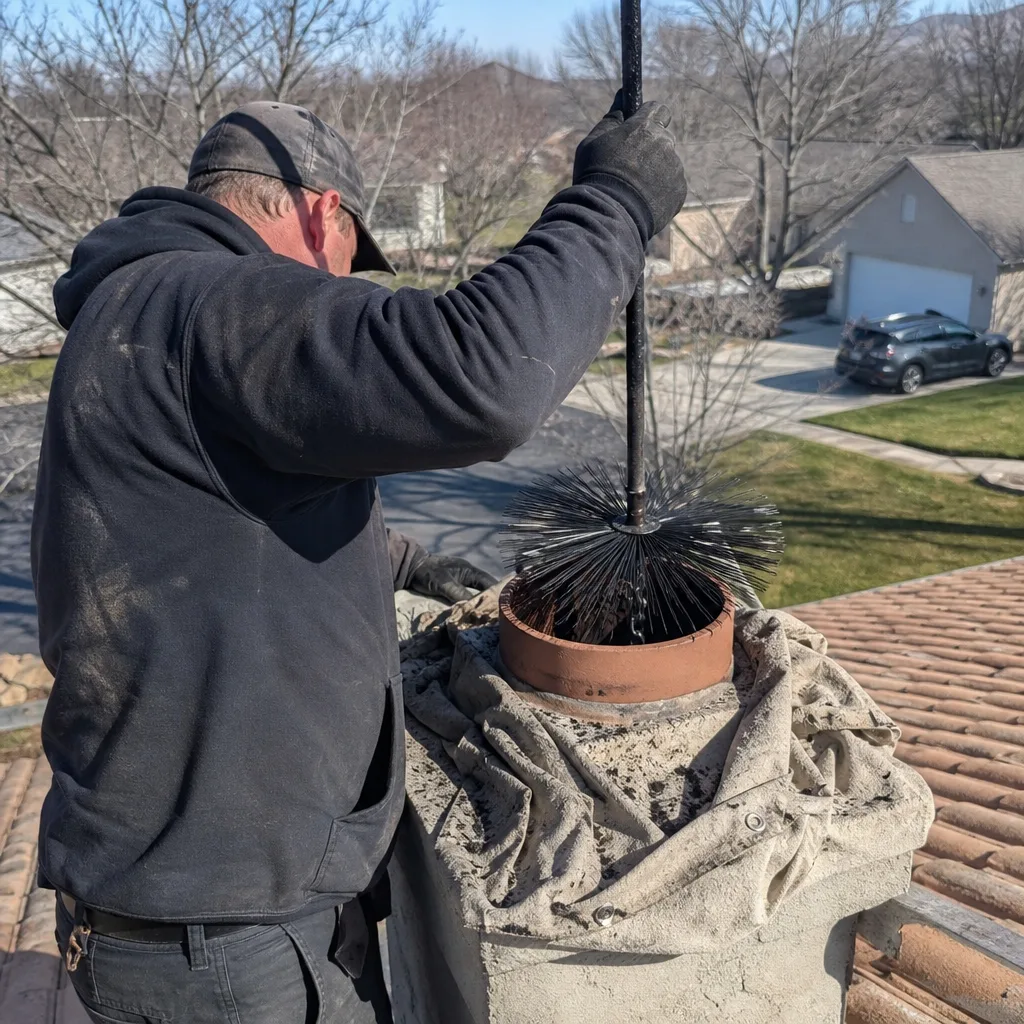
Most cost comparisons stack a $120 brush kit against a $250-$400 professional sweep and declare DIY the winner. This is arithmetic without accounting. For a detailed chimney cleaning cost breakdown specific to Orland Park, see our 2026 reference guide. Here’s the actual break-even for Orland Park homeowners.
DIY Column: True Costs
| Item | Cost |
|---|---|
| Quality brush kit (Olympia Chimney or equivalent) | $80-$150 |
| Extension ladder (if not owned) | $150-$300 |
| N95 respirators, gloves, eye protection | $25-$40 |
| Creosote disposal (Cook County regulated waste) | $15-$30 per cleaning |
| Time: setup, cleaning, cleanup (3-5 hours) | Your labor |
| NFPA 211 Level 2 inspection (still required for documentation) | $200-$300 |
| DIY total with required inspection | $470-$820 first year; $320-$520 subsequent years |
Professional Column: Emberly Chimney Cleaners Orland Park
| Item | Cost |
|---|---|
| Full sweep with rotary cleaning system | Included |
| NFPA 211 Level 2 camera inspection | Included |
| Documented photo record (Haven Standard Clause 4) | Included |
| Written scope, written price, written warranty (Clause 1) | Included |
| Creosote disposal (licensed hauler) | Included |
| 365-Day Done Right Promise | Included |
| Typical range in Orland Park | $250-$400 |
The honest math: if you require documentation - and any home sale, insurance claim, or warranty dispute will require it - DIY does not save money. It costs more and delivers less. The break-even only favors DIY if you permanently forgo documentation, which is a legitimate choice only for homeowners who never plan to sell, never file an insurance claim, and never experience a chimney fire.
Our pricing at Emberly Chimney Cleaners Orland Park home is quoted in writing before work starts, per Haven Standard Clause 1. No surprises. No “while we were up there” add-ons. The price you approve is the price you pay.
A Hybrid Approach That Makes Sense
There is a middle path that leverages homeowner diligence without sacrificing professional documentation. We’ve refined this approach with Orland Park clients who want to stay engaged with their system without taking unnecessary risks.
What the homeowner handles:
- Monthly firebox cleanout. Remove ash when it exceeds 1″ depth. Cool ash only - embers can smolder for 72 hours. Store ash in a metal container with tight lid, away from combustibles, for 5+ days before disposal.
- Visual damper check. Open fully, inspect for rust or distortion, ensure it seats closed without gaps. A stuck or warped damper wastes heat and indicates moisture intrusion.
- Firebox floor and sidewall inspection. Look for spalling (flaking surface), mortar loss between bricks, or white efflorescence (water-soluble salts indicating moisture penetration). Photograph anything suspicious for your professional visit.
- Cap and crown visual from ground or ladder base. Binoculars work. Look for missing cap mesh, crown cracks, or vegetation. Do not climb to investigate - that’s where falls happen.
- Burn log. Record dates, wood species, moisture content if known, and any draft or odor issues. This log becomes valuable diagnostic context for your sweep.
What the professional handles annually:
- Full rotary sweep and debris removal
- Camera scan from firebox to crown, with photo documentation
- Creosote stage assessment and chemical treatment if Stage 2/3 present
- Liner integrity evaluation, including tile joint condition
- Smoke chamber and firebox floor structural assessment
- Cap, crown, and flashing condition with repair recommendations
- Written report with photo record, scope of any needed repairs, and warranty documentation
This hybrid reduces the sweep’s billable time modestly - a clean firebox is faster to protect before camera insertion - but the primary value is homeowner engagement. You know your system. You catch changes early. And you arrive at your annual Chimney Sweep in Orland Park appointment with context that improves the inspection quality.
The homeowner log complements the professional record. Together, they create a maintenance history that adds value at sale and catches deterioration trends that single-point inspections might miss.
Safety Caveats for DIY Attempts
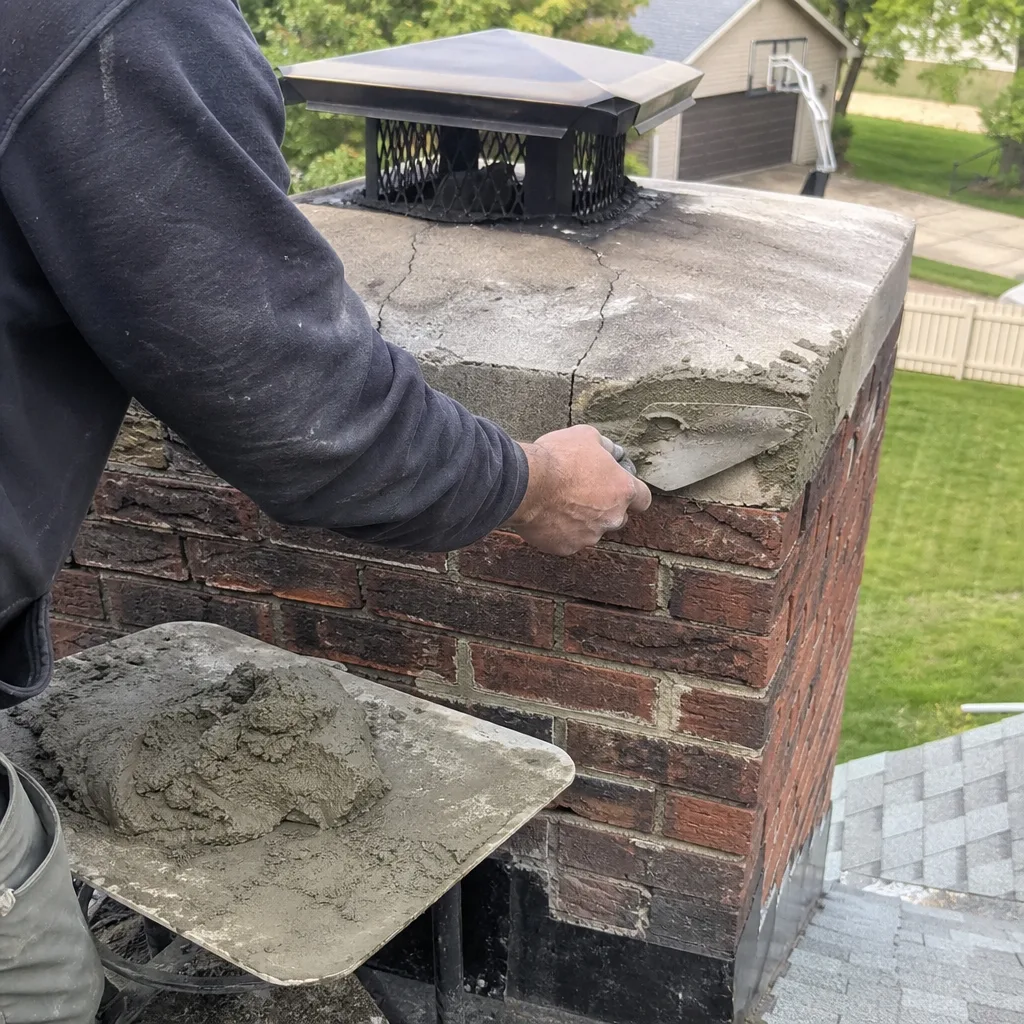
Chimney work involves genuine hazards. We’re specific about these because vague warnings get ignored.
Carbon monoxide exposure. Even a “cold” flue can hold residual CO from last week’s fire. CO binds hemoglobin 240 times more readily than oxygen. You will not smell it. You will feel headache, nausea, dizziness - or you will feel nothing until you lose consciousness. The N95 protects against particulate, not gas. If you smell combustion products or feel unwell, exit immediately and ventilate.
Fall risk. Orland Park’s typical ranch and two-story chimney heights put the crown at 15-25 feet. Extension ladder incidents cause more homeowner injuries than any other chimney-related activity. If your roof pitch exceeds 6:12, or if you have any balance concerns, do not climb. The $250 professional fee is trivial against a femur fracture or worse.
Spring and cable hazards on factory-built systems. Some metal chimney systems incorporate tension springs or locking bands that can release unexpectedly during disassembly. If your chimney is not masonry - if it’s a metal pipe with a chase cover - do not attempt disassembly without manufacturer documentation.
Creosote ignition during cleaning. Friction from aggressive brushing can raise localized temperature. Ensure no hidden embers remain. Work with a fire extinguisher rated for Class B and C fires within arm’s reach.
We recommend a trained professional for any work above the firebox threshold, any system with unknown construction history, and any flue showing Stage 2 or 3 creosote. The Fireplace Services in Orland Park we provide include full safety assessment as standard - not an upsell, not optional.
Common Mistakes to Avoid
- Brushing a flue with known or suspected liner damage. The mechanical action can enlarge cracks, dislodge spalled tile, or wedge debris into a crack that was previously venting. In Orland Park’s clay-tile stock, if you haven’t had a camera inspection in 5+ years, assume liner condition is unknown and proceed accordingly.
- Using a brush mismatched to flue diameter. An oversized brush binds and strains rods; undersized brushes center poorly and miss wall contact. Measure your flue precisely - inside dimension, not outside - before purchasing.
- Ignoring the smoke shelf. The flat ledge behind the damper collects the most concentrated debris and is the most common odor source in spring. Most DIY kits include a scraper for this purpose. Use it, or the “cleaning” is cosmetic.
- Disposing creosote in household trash. Cook County and Orland Park regulations classify concentrated creosote as regulated waste. Burning it is illegal. Landfilling it with household garbage violates most municipal waste contracts. Licensed chimney sweeps haul to approved facilities as part of service.
- Assuming “no smoke problems” means “no problems.” A chimney can be actively dangerous with perfect draft. Carbon monoxide, liner cracks, and creosote buildup don’t necessarily produce visible smoke or odor. Operational comfort is not diagnostic.
- Skipping the inspection after DIY “success.” We’ve inspected Orland Park chimneys where the homeowner brushed diligently for years, proud of their clean firebox, while the flue above deteriorated unseen. The documentation gap doesn’t just matter for transactions - it matters for safety.
When to Call a Professional
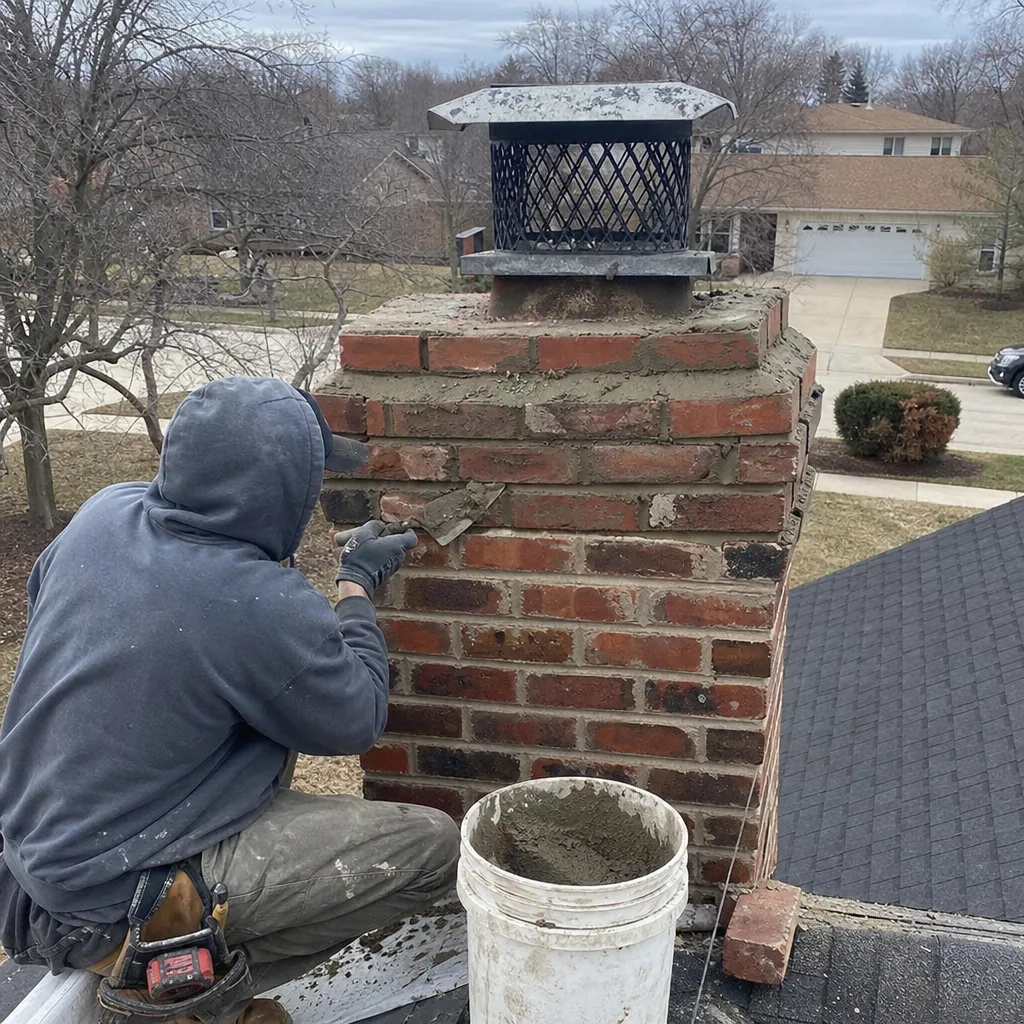
Call before you buy the brush kit if any of these apply: your home is pre-1990 and has never had a camera inspection; you’ve noticed mortar debris in the firebox, white staining on exterior brick, or a persistent smoky odor; your chimney serves a wood stove or insert with an unknown liner adaptation; or you’re preparing to list your Orland Park home and need documentation for disclosure.
Call immediately if you’ve had a chimney fire - indicated by a roaring sound, dense smoke, or visible flame in the flue - even if the fire self-extinguished. Liner damage from thermal shock may not be visible from below and requires professional assessment before next use.
Emberly Chimney Cleaners Orland Park offers free estimates in Orland Park. Every estimate includes a written price, written scope, and written warranty before any work begins - Haven Standard Clause 1. Call (708) 294-2571 to schedule.
Frequently Asked Questions
A professional chimney sweep with NFPA 211 Level 2 camera inspection in Orland Park typically ranges from $250 to $400, depending on flue accessibility, creosote stage, and whether the system is masonry or factory-built. This includes rotary cleaning, camera scan, documented photo record, creosote disposal, and written warranty. Call (708) 294-2571 for an exact quote - estimates are free.
You can, but you cannot satisfy buyer inspection requirements with DIY work alone. Illinois real estate transactions require disclosure of known defects and typically involve buyer-requested chimney inspection. A self-cleaned flue without photo documentation and written scope will trigger a professional re-inspection anyway, delaying closing. Professional documentation from Emberly Chimney Cleaners Orland Park, with Haven Standard Clause 4 photo records, transfers cleanly to buyers and their insurers.
NFPA 211 recommends annual inspection for all chimney systems, with cleaning frequency determined by creosote accumulation, not calendar alone. In Orland Park, where heating degree days exceed national averages and many homeowners use fireplaces supplementally through long winters, we find annual sweep and inspection appropriate for systems burned more than 30 days per season. Our seasonal chimney cleaning care guide maps year-round maintenance to local weather patterns. Occasional decorative fires may extend to biennial cleaning with annual inspection still recommended.
Stage 1 creosote progresses to Stage 2 and 3, becoming progressively harder to remove and more ignitable. Liner cracks propagate unseen, risking carbon monoxide intrusion into living space or spark contact with combustible framing. Moisture intrusion accelerates spalling and mortar degradation. In Orland Park’s freeze-thaw climate, deferred maintenance typically converts $300 annual prevention into $3,000-$8,000 liner replacement or rebuild. Call (708) 294-2571 for an inspection - catching it early changes the math entirely.
This is the right question to ask. At Emberly Chimney Cleaners Orland Park, nothing is recommended without camera evidence you can see for yourself - Haven Standard Clause 4 requires it. We show you the crack, the spall, or the gap measurement. We also tell you plainly when work can safely wait: hairline cracks without offset, minor spalling with intact substrate, or isolated mortar loss may be monitorable with annual re-inspection. Our Free Second Opinion on any written estimate ensures you have comparison data. Bring us a competitor’s quote and we’ll review it against what our camera shows.
A Level 1 inspection is visual and accessible-surface only - what can be seen without tools or damage to building finishes. A Level 2 inspection, required for real estate transactions, system changes, and after chimney fires, includes video scanning of internal flue surfaces, accessible portions of attics and crawl spaces, and evaluation of clearances to combustibles. Emberly Chimney Cleaners Orland Park performs NFPA 211 Level 2 as standard on every visit, not as an upgrade, because the camera reveals what visual inspection cannot. This practice, continuous since 2009, became the basis for Haven Standard Clause 4.
The Bottom Line
DIY chimney cleaning in Orland Park has a defined, limited role: maintaining a known-good system between professional visits, with proper safety equipment and waste disposal. It cannot replace camera documentation, liner integrity assessment, or the transferable record that protects your investment and your household. For Orland Park’s clay-tile flue stock, the camera scan isn’t a luxury - it’s the only reliable way to know what’s happening above the smoke chamber. Explore more guides & resources on chimney safety and home maintenance. The honest cost comparison favors professional service once documentation requirements are included, and the hybrid approach of engaged homeowner maintenance plus annual professional inspection delivers the best outcomes we’ve seen in 38,000 chimneys since 2009.
Written by Corrine Halstead, Owner at Emberly Chimney Cleaners Orland Park, serving Orland Park since 2009.