
Last updated September 22, 2026
Level 1 sweep and inspection to the NFPA 211 annual standard - flue, crown, cap, and flashing checked and photographed
Chimney sweep logs do not sweep chimneys. They loosen some creosote - which then falls where a brush and vacuum still have to collect it.
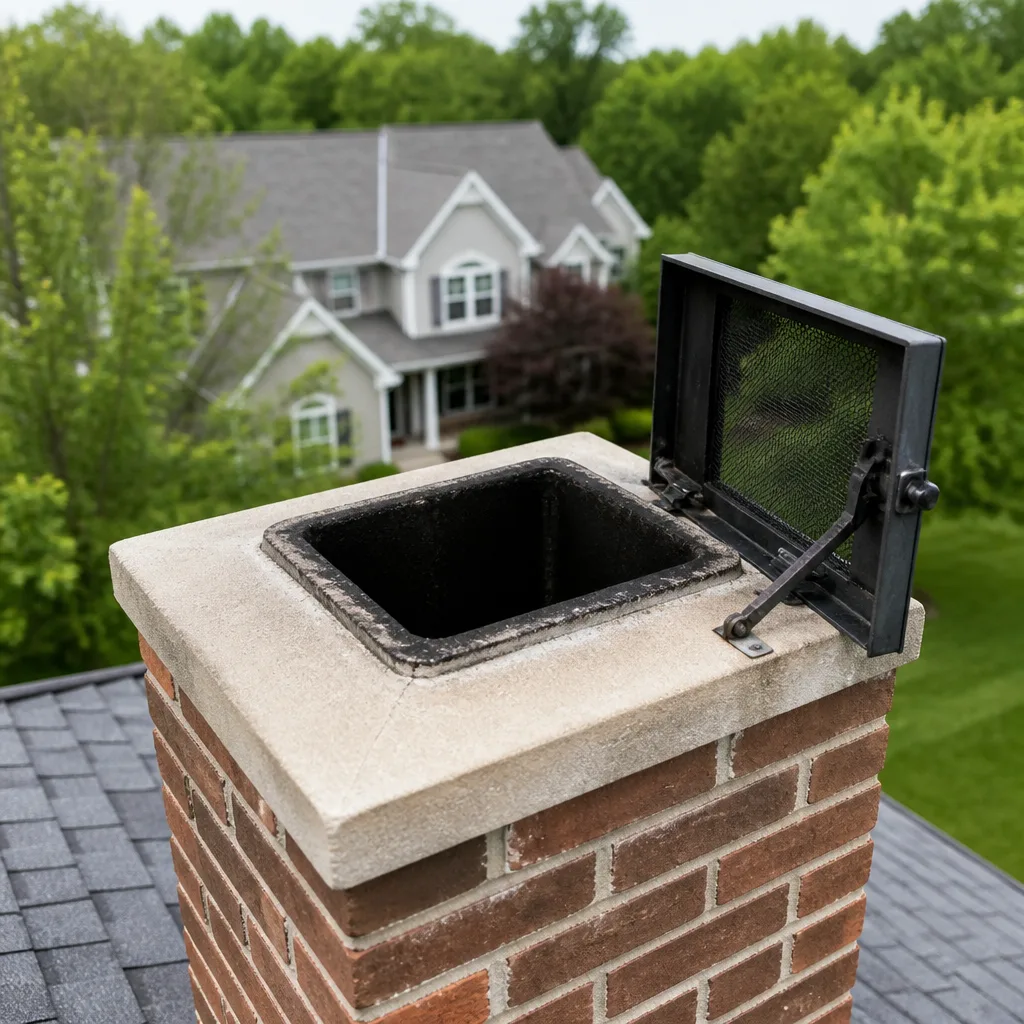
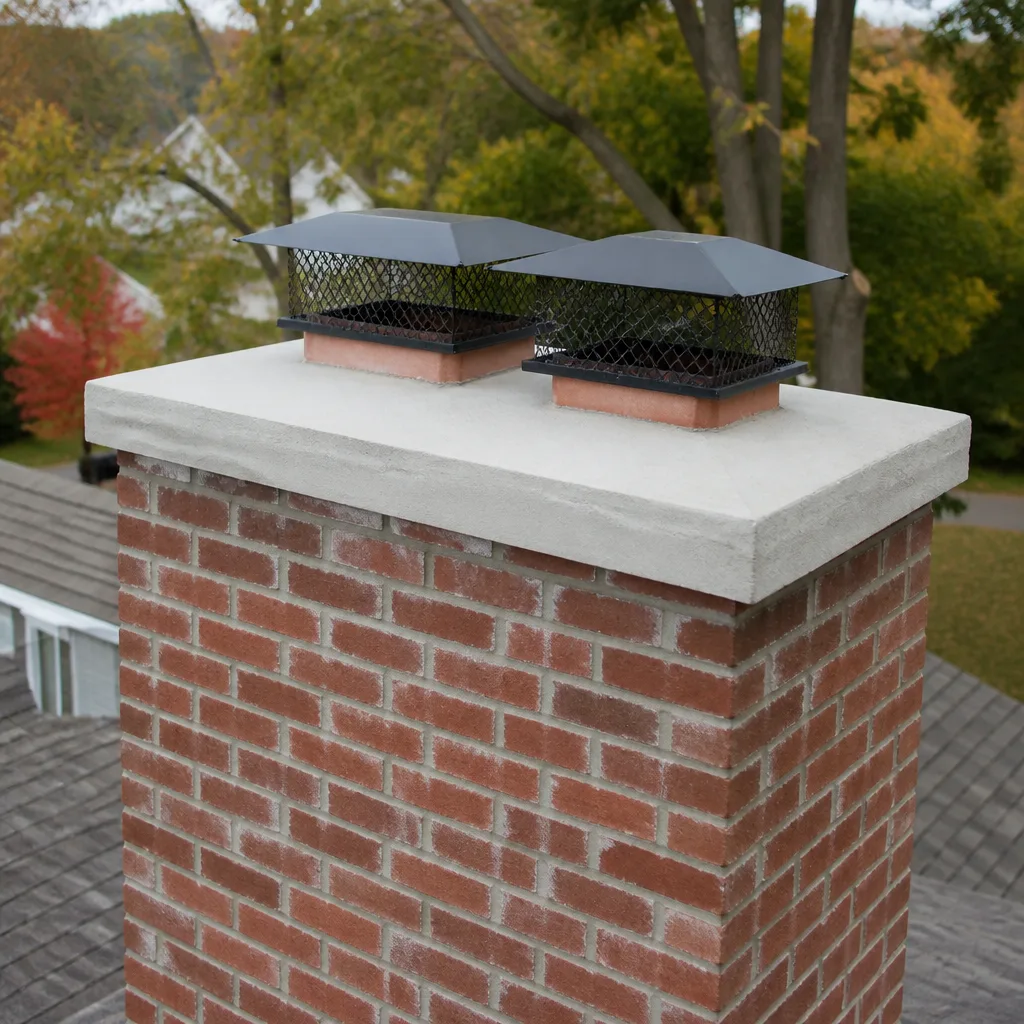
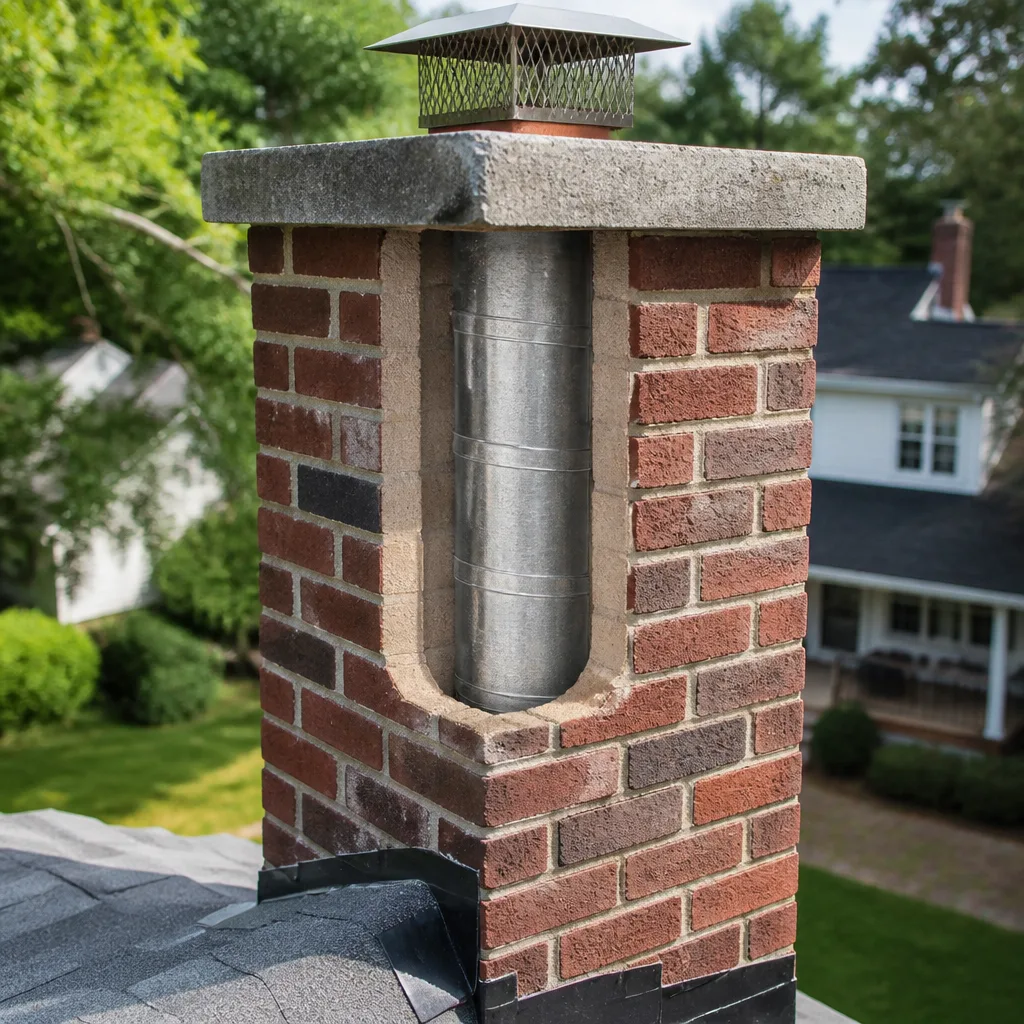
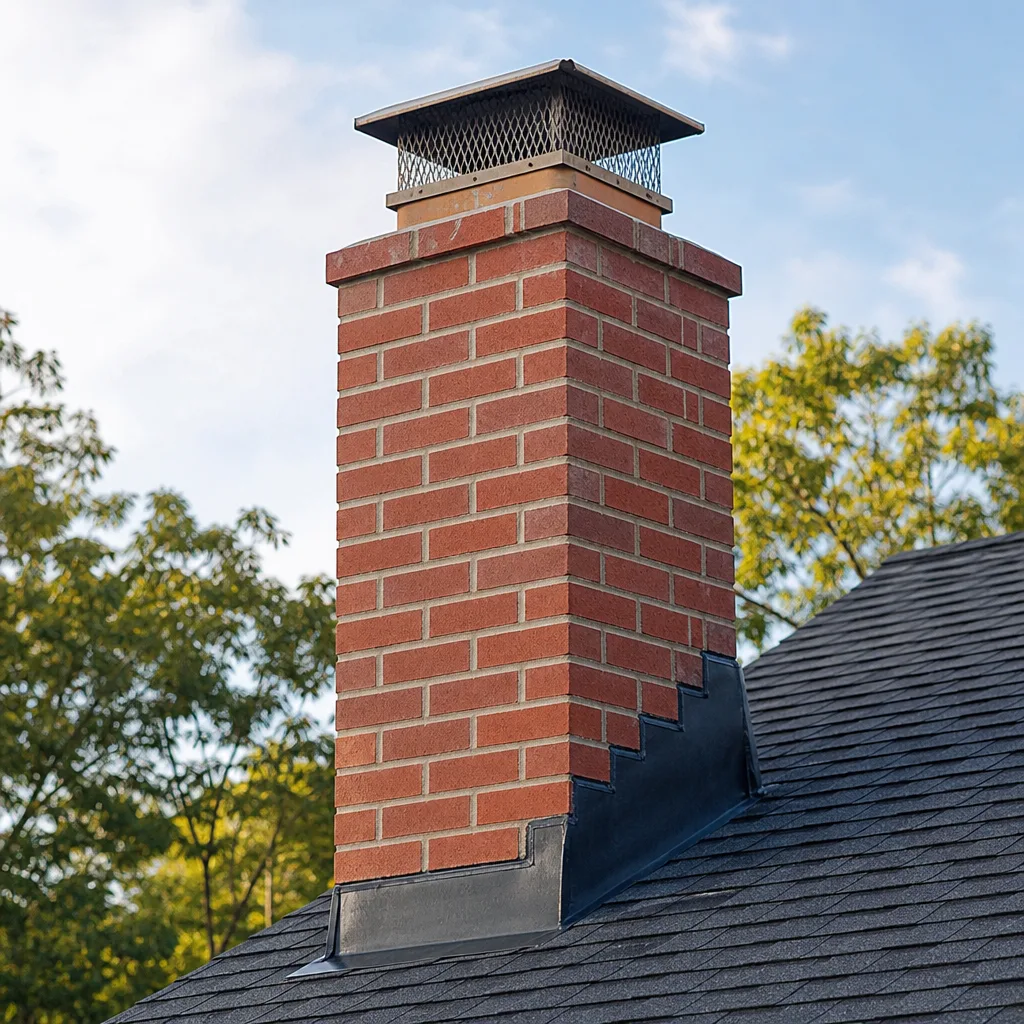
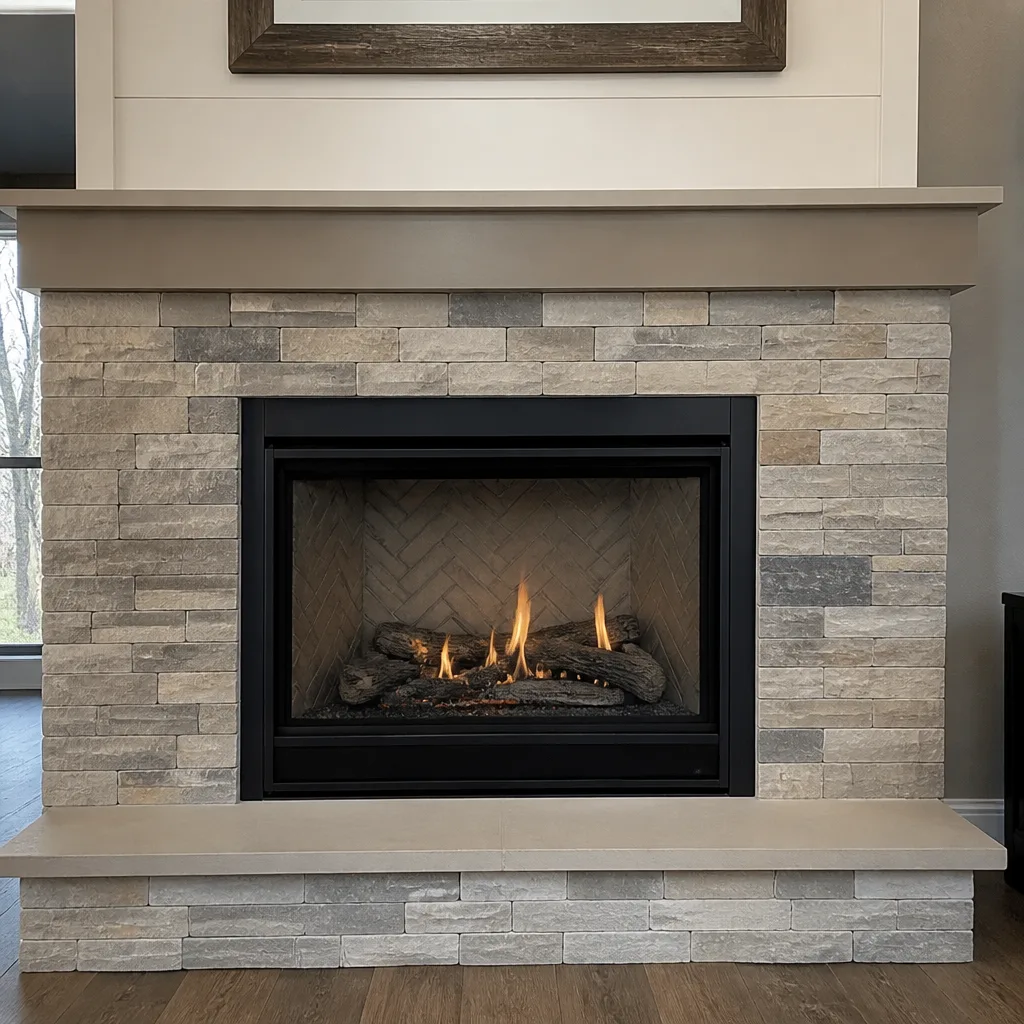
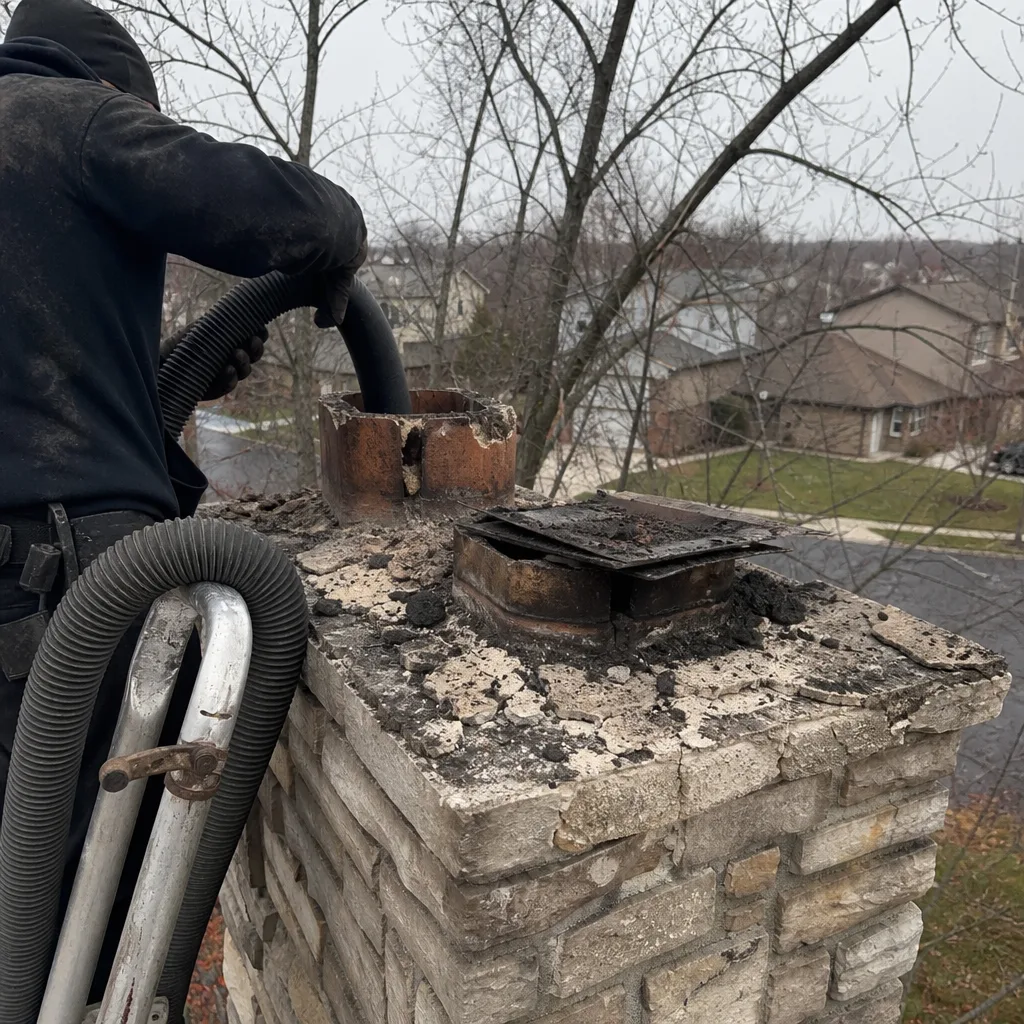 Before
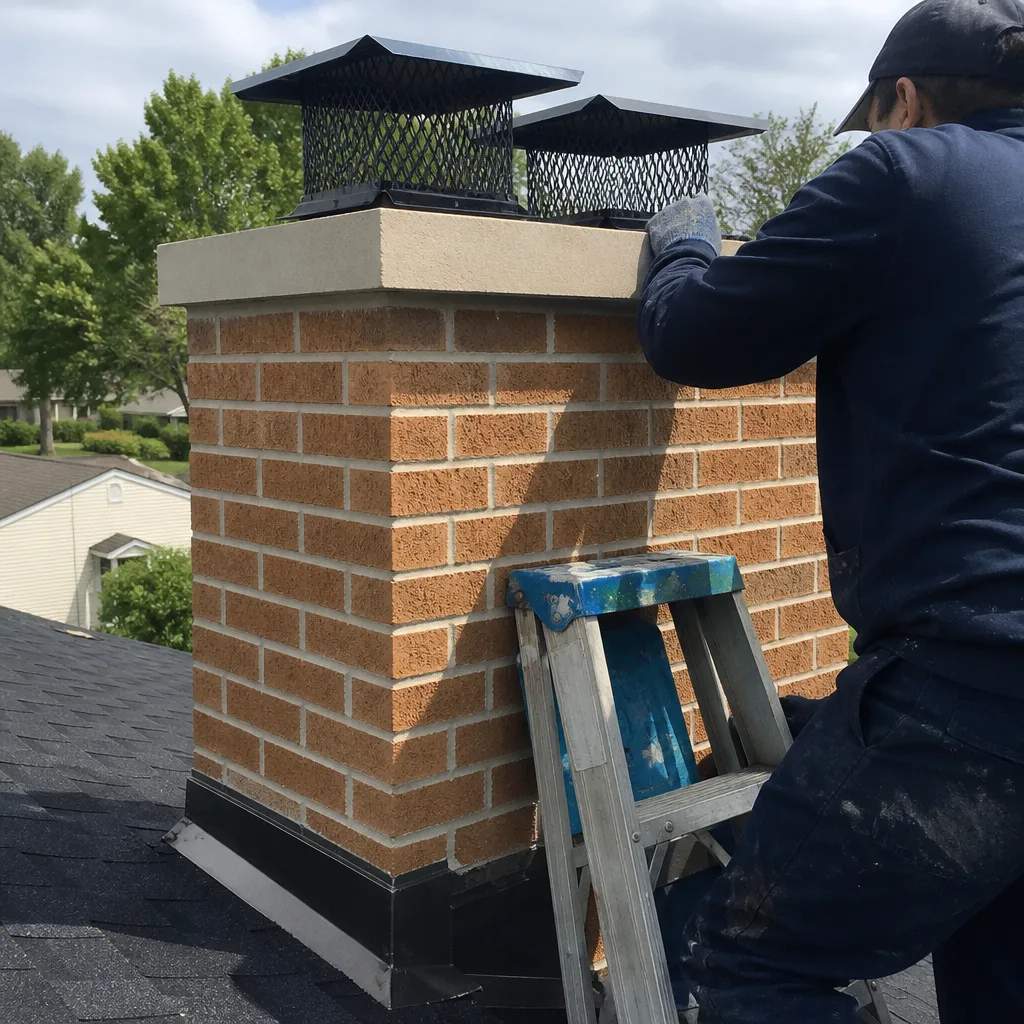 After
After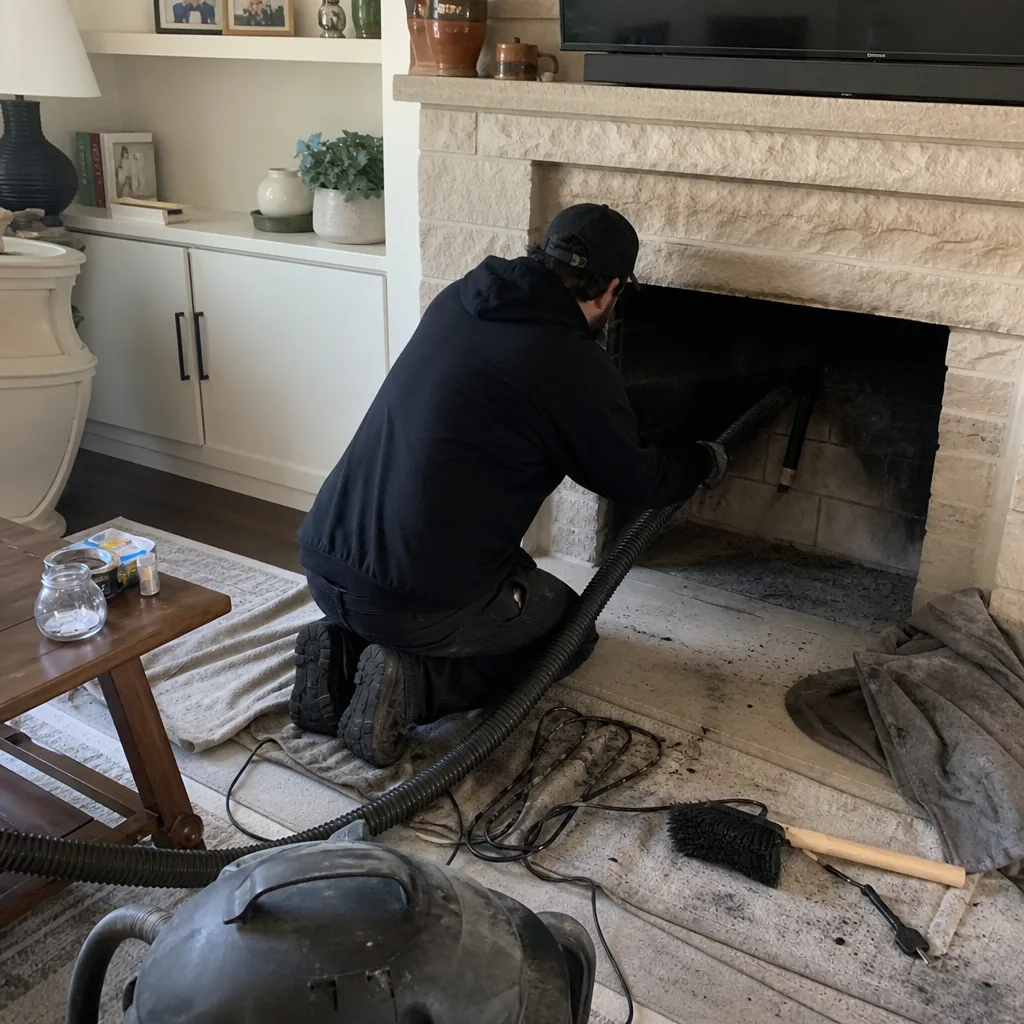 Before
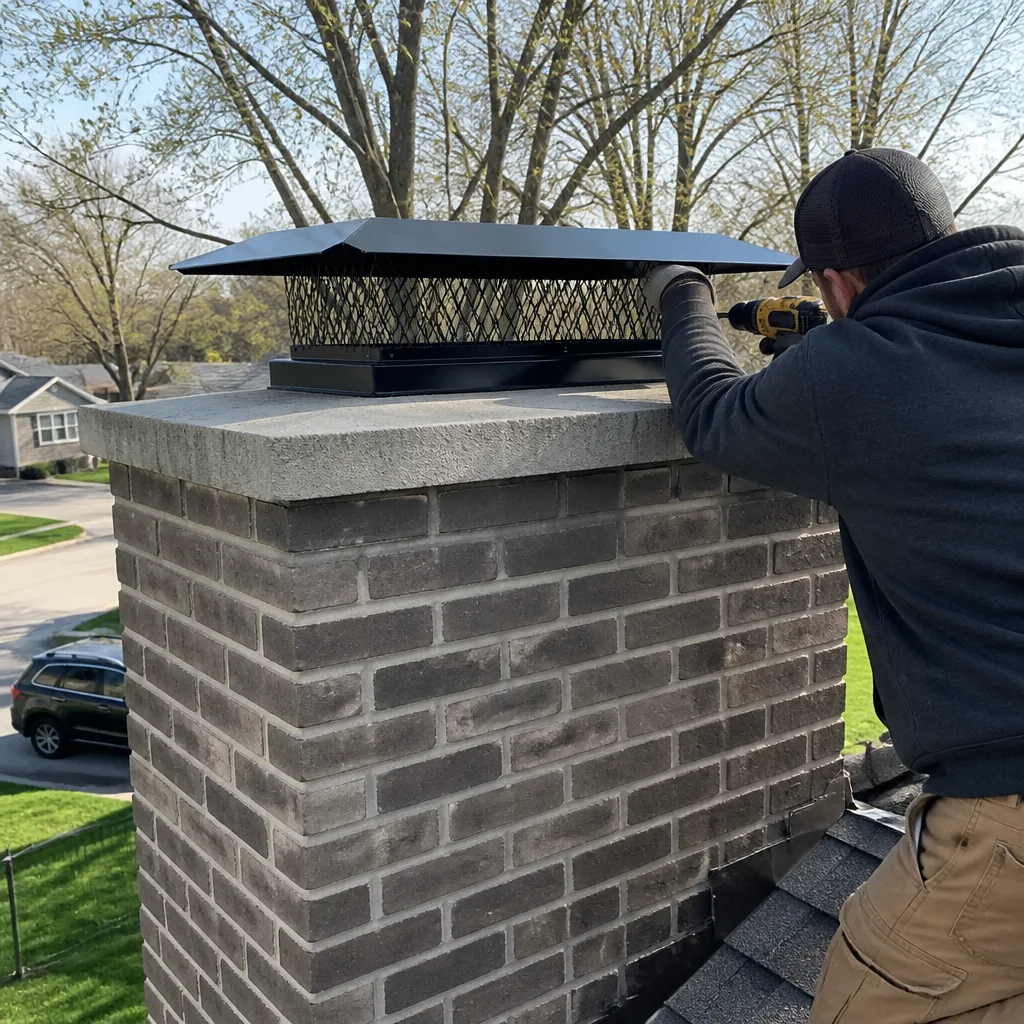 After
After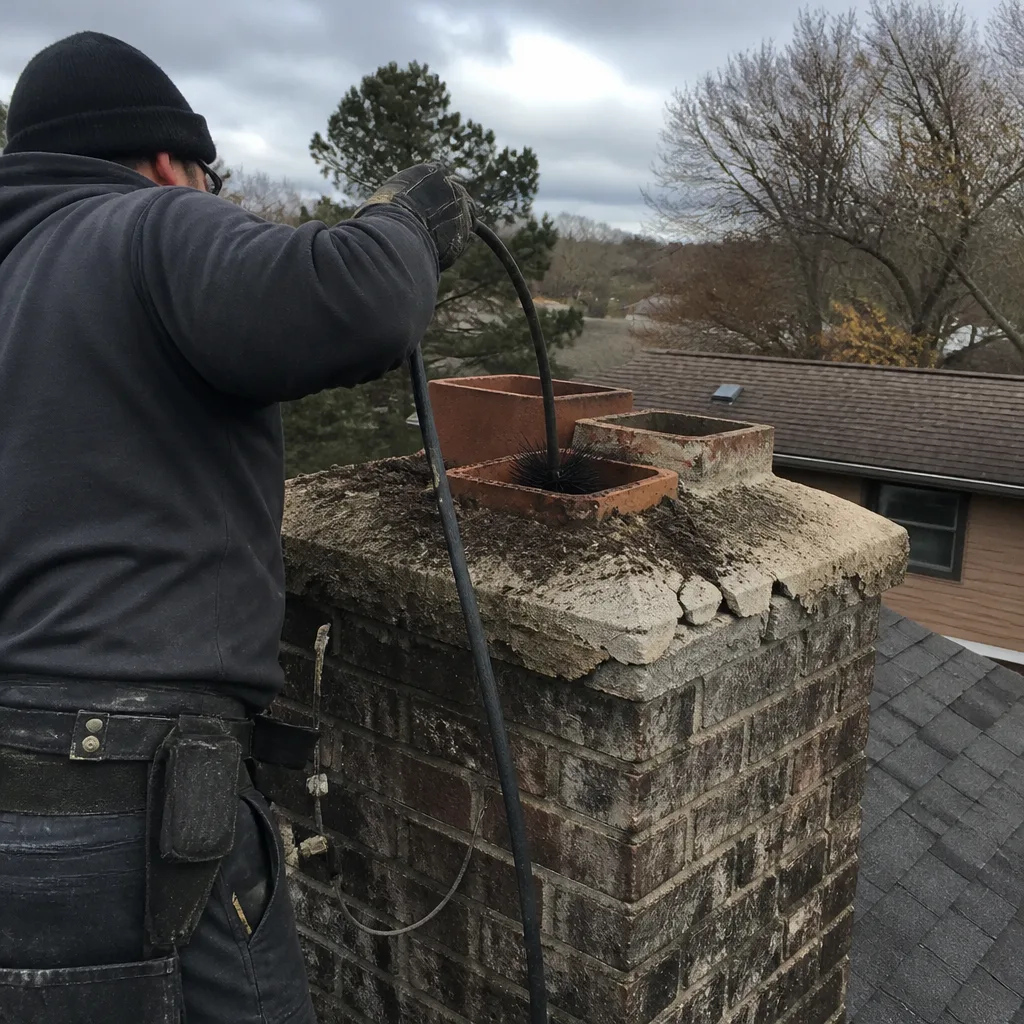 Before
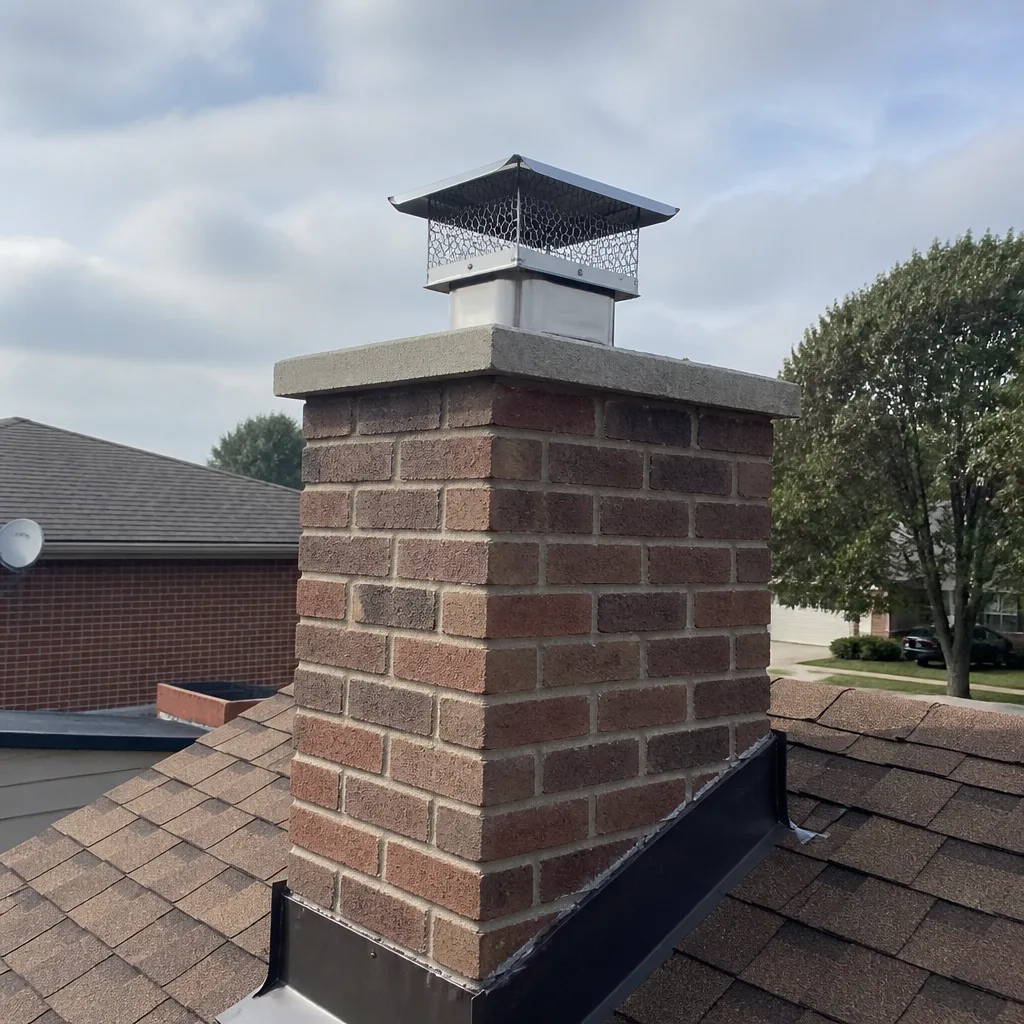 After
AfterHow to Hire a Chimney Cleaning Contractor in Orland Park: A Step-by-Step Guide
Forty percent of CSIA-certified sweeps do not own a flue camera. The certification tests knowledge, not equipment, and nothing in the credential requires the camera that actually documents what’s inside your liner. In Orland Park, we’ve seen homeowners pay identical prices for a sweep that came with a flashlight peek and one that came with a full NFPA 211 Level 2 camera inspection, stamped photo record, and written warranty. This guide is built as a phone-call script. You can read it once, then use it in real time when contractors pick up. By the end, you’ll know the four questions that separate a documented sweep from a verbal promise, and what the answers should sound like.
Quick Answer
To hire a chimney cleaning contractor in Orland Park, ask four questions before booking: Do you camera-scan the flue before and after cleaning? Is the written price delivered before any work starts? What documentation do I keep, and in what format? What’s your warranty, and is it in writing? A legitimate contractor answers yes to all four, provides specific details, and never pressures you to decide on the spot.
Table of Contents
- Why Documentation Matters More Than Certification
- The Four Questions: A Phone Script You Can Use Today
- How to Verify Insurance and Workers’ Comp in Illinois
- Written Price vs. Written Estimate vs. Written Quote
- Red Flags in the Orland Park Market
- How to Evaluate Post-Job Documentation
- What a Full-Service Sweep Looks Like in Practice
- Common Mistakes to Avoid
- When to Call a Professional
- Frequently Asked Questions
- The Bottom Line
 Before
 After
AfterWhy Documentation Matters More Than Certification
CSIA certification is a knowledge exam. It covers combustion, draft, and safety standards. It does not require the technician to own a flue camera, a moisture meter, or even a written pricing system. We’ve met CSIA-certified sweeps in the Chicago suburbs who inspect chimneys with a flashlight and a mirror, then hand the homeowner a verbal summary.
In Orland Park, where winter temperature swings from single digits to the 40s put thermal stress on masonry and clay flue liners, seasonal chimney cleaning care matters enormously. Hairline cracks in a liner, spalling brick in the smoke chamber, or Class III glazed creosote buildup (the hard, tar-like deposit that ignites chimney fires) are invisible from the firebox. A flashlight shows you soot. A camera shows you structure.
The NFPA 211 Level 2 inspection, which we made our default in 2009, requires camera documentation of the entire flue interior. This is not an upgrade. It is the standard that separates inspection from guesswork. When we scan a flue in a home near Centennial Park or along 143rd Street, we’re looking for:
- Liner displacement or gaps between clay flue tiles
- Creosote classification (Class I powder, Class II crust, Class III glazed) which determines cleaning method
- Spalling or mortar loss in the smoke chamber
- Obstructions from animal nesting, common in Orland Park’s mature tree canopy
- Evidence of previous chimney fires, which homeowners often don’t realize occurred
Without a photo record, you have no baseline for comparison next year. Without a baseline, you cannot distinguish new damage from pre-existing conditions. This matters for insurance claims, home sales, and your own safety planning. Clause 4 of the Haven Standard requires a documented photo record on every job for exactly this reason.
Certification tells you someone passed a test. Documentation tells you what they found, when they found it, and what they did about it. In Orland Park’s housing market, where homes built between 1970 and 2000 dominate and many original clay liners are reaching end of service life, a chimney cleaning cost breakdown helps you budget for documentation that makes the difference between informed maintenance and reactive emergency repair.
The Four Questions: A Phone Script You Can Use Today
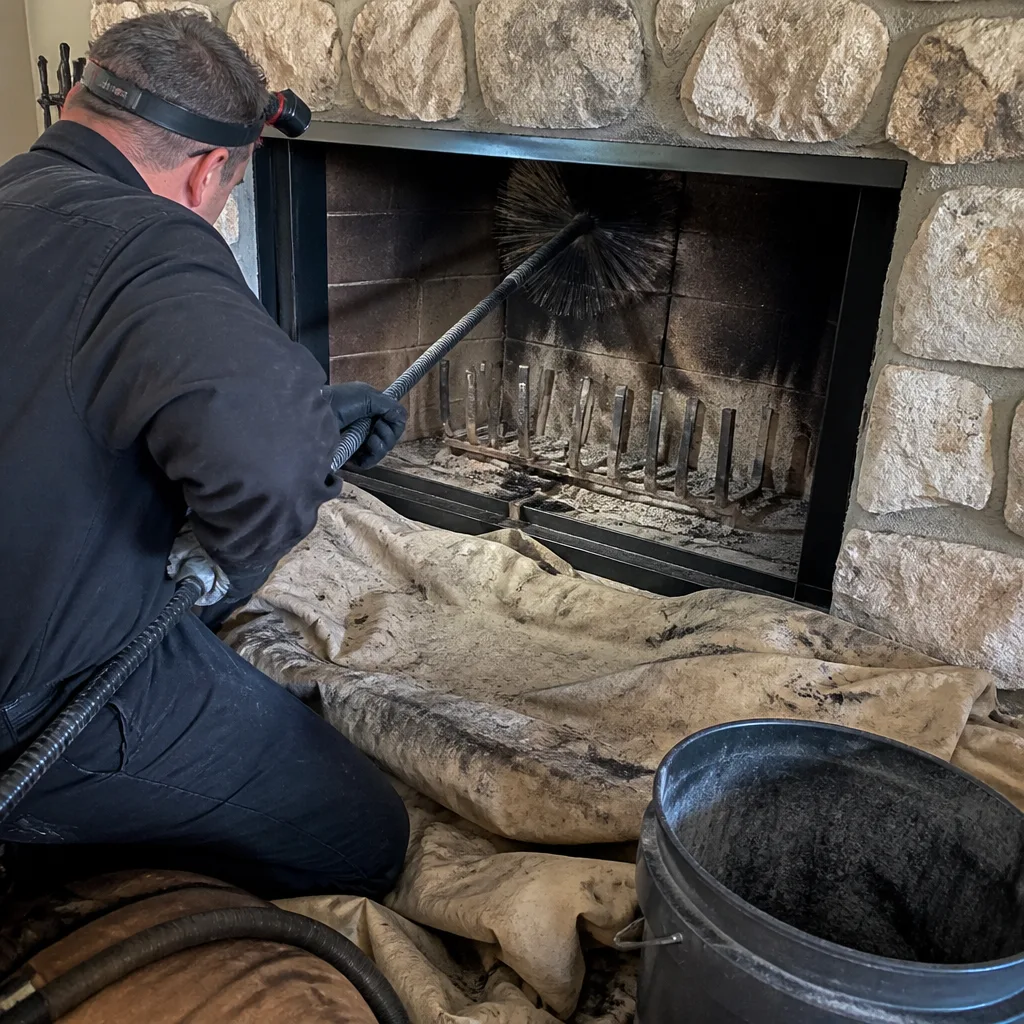
Print this section. Keep it by the phone. When you call contractors in Orland Park, ask these four questions in order. Write down the answers. The differences will be obvious.
Question 1: Do you camera-scan the flue before and after cleaning?
What you’re listening for: Specificity about equipment and process.
Good answer: “Yes, we run a chimney camera the full length of the flue before and after every sweep. You get timestamped photos of the liner condition, creosote classification, and any defects. The report is included.”
Weak answer: “We inspect every chimney” or “Our technician will check it” or “We can add a camera inspection for an extra fee.”
Red flag: “You don’t need a camera for a standard sweep.” In Orland Park’s climate, with freeze-thaw cycles that open mortar joints and the heavy burning season from October through March, you do.
Question 2: Is the written price given before any work starts?
What you’re listening for: A clear commitment to written pricing delivered before the technician begins.
Good answer: “We email or hand you a written price with scope and warranty terms before any work begins. You approve it, or we don’t start.”
Weak answer: “The technician will go over pricing with you” or “We’ll give you an estimate after we look at it” or “Most jobs run between X and Y.”
Critical distinction: An estimate is a guess. A quote is a number that may change. A written price under the Haven Standard is a binding agreement with scope, materials, and warranty specified before work begins. Clause 1, H.A.V.E.N. “Have it in writing,” means you hold the price in your hand before anyone touches your chimney.
Question 3: What is your documentation format, and do I keep a copy?
What you’re listening for: Tangible deliverables you can reference later.
Good answer: “You receive a printed or digital report with photos, measurements, condition codes, and warranty terms. It’s yours to keep and share with your insurer or home buyer.”
Weak answer: “We can email you something if you want” or “The technician will tell you what he found.”
In Orland Park, where home sales are common and buyers increasingly request chimney inspection records, your documentation has real transactional value. A verbal summary from a technician evaporates. A photo record with measurements persists.
Question 4: What’s your warranty, and is it in writing?
What you’re listening for: Specific terms, duration, and written confirmation.
Good answer: “Our work is covered by a 365-Day Done Right Promise. If it’s not done right, we make it right. The terms are printed on your invoice.”
Weak answer: “We stand behind our work” or “We’ve never had a complaint.”
Orland Park’s seasonal burning pattern means problems may not surface for months. A warranty that expires in 30 days or exists only verbally is not a warranty. Ask for the specific document that contains the warranty language.
How to Verify Insurance and Workers’ Comp in Illinois
Chimney work involves heights, combustion equipment, and in some cases structural modification. In Illinois, chimney cleaning permits, codes & inspections require proper coverage, and general contractor liability insurance often excludes these specialized trades. A contractor who shows you a general liability certificate may not be covered for chimney-specific work.
Here’s how to verify properly:
- Request a Certificate of Insurance (COI) directly from the contractor’s insurance agent, not from the contractor. This prevents altered documents. The agent’s contact information appears on legitimate COIs.
- Confirm these specific coverages:
- General liability with a minimum $1,000,000 per occurrence, specifically including “masonry contracting” or “chimney services” in the class code description
- Workers’ compensation coverage, mandatory in Illinois for any contractor with employees
- Commercial auto if vehicles are used on your property
- Check that the COI names you as “Certificate Holder.” This ensures you receive notice if the policy cancels.
- Verify the policy dates include your service date. Policies lapse. A COI from January means nothing for a November appointment.
In Orland Park and throughout Cook County, we’ve encountered handymen with general contractor policies who perform chimney work without proper coverage. If a technician falls from your roof or damages your flue liner, and the policy excludes chimney services, your homeowner’s insurance becomes the primary coverage. That affects your premiums and your claims history.
Ask specifically: “Does your general liability policy list class code 1710 or 1721 for masonry construction, or do you carry a separate chimney contractor’s policy?” The hesitation in the answer tells you what you need to know.
Written Price vs. Written Estimate vs. Written Quote
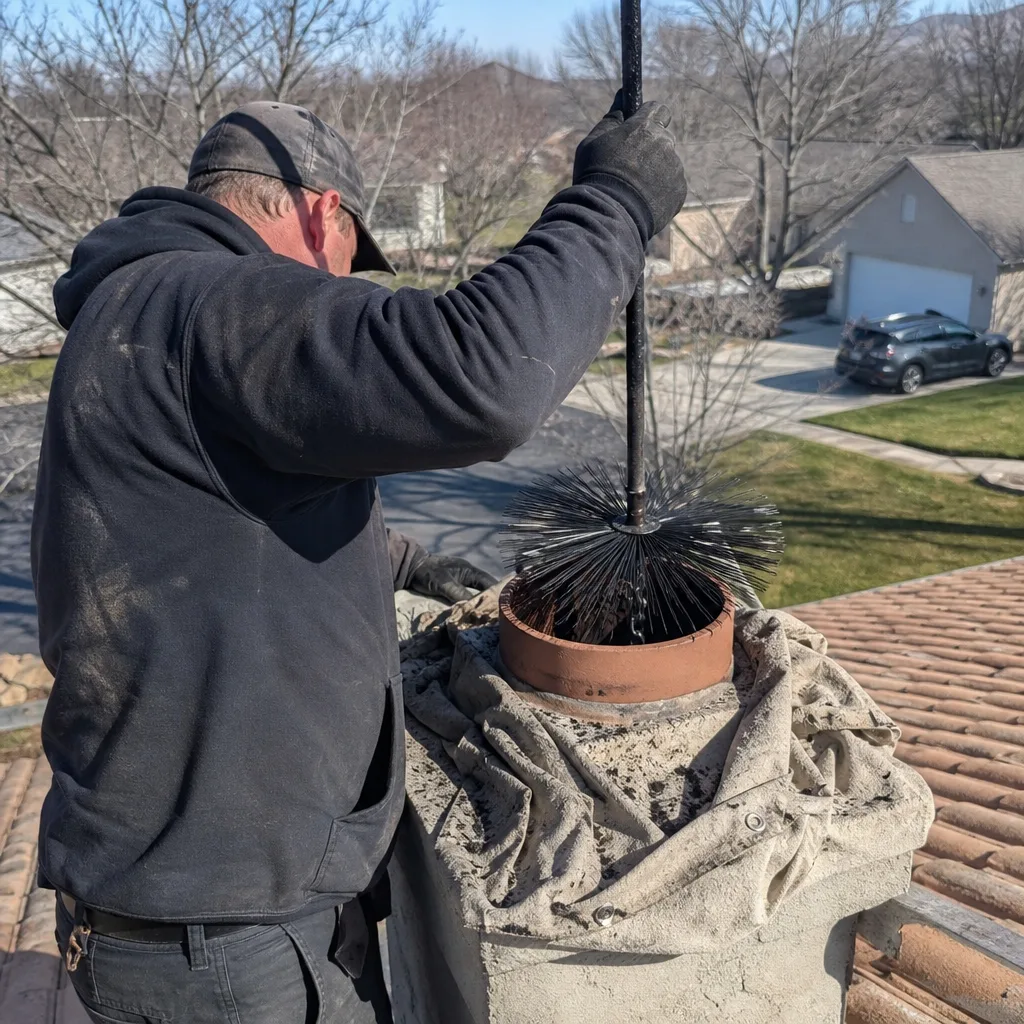
These three terms sound interchangeable. They are not. In Orland Park’s chimney market, understanding the difference protects you from scope creep and post-job invoice shock.
| Term | What It Means | Binding? | Risk to You |
|---|---|---|---|
| Written Estimate | An approximation based on typical conditions. Often given before site visit. | No | Final invoice may exceed estimate by 50-100% or more |
| Written Quote | A firmer number, usually after visual inspection. May include conditions that trigger additional charges. | Partially | “Unforeseen conditions” clauses allow price increases after work begins |
| Written Price (Haven Standard) | Fixed scope, fixed materials, fixed total. Delivered before work starts. Changes require written change order. | Yes | Minimal. You know exact cost before approving |
The “free inspection” model common in Orland Park often delivers a written estimate that balloons. A technician arrives, performs a cursory visual check, then presents a low estimate. Once work begins, “discoveries” multiply: the liner is worse than expected, the crown needs sealing, the damper is stuck. Each discovery carries a new charge, presented after you’re already committed.
A written price under the Haven Standard works differently. We camera-scan first, classify what we find, then present a single written document with scope, materials, and total. If you approve, we proceed. If you decline, you owe nothing for the inspection. This is Clause 1: “Have it in writing” before work starts, not after.
Materials matter for price accuracy. When we specify DuraFlex liner, HeatShield resurfacing, or a Gelco cap in your written price, those brand names lock in the quality level. Generic “stainless liner” or “chimney cap” language allows substitution with lower-grade materials. In Orland Park’s freeze-thaw climate, where inferior caps rust through in three seasons and cheap liners fail at joints, material specificity protects your investment.
Red Flags in the Orland Park Market
Orland Park’s affluent homeowner base and established housing stock attract operators who prioritize upsell volume over documentation quality. Here are patterns we’ve observed specifically in this market.
The “Free Inspection” That Monetizes Fear
A company advertises a free chimney inspection. The technician arrives, spends ten minutes at your hearth, then presents alarming findings: “Your liner is deteriorated,” “You have a blockage,” “This is a carbon monoxide risk.” The solution is always immediate, expensive work, with pressure to decide today.
What distinguishes this from legitimate service: No camera evidence. No photo you can examine yourself. No written price with time to consider. The “free” inspection costs nothing because its purpose is to create a high-pressure sales environment, not to document conditions.
In Orland Park, where many homes in neighborhoods like Mallard Point and Eagle Ridge have original construction from the 1980s and 1990s, some liners genuinely do need attention. The difference is documentation. A legitimate sweep shows you the camera image, explains the condition code, and gives you a written price with no time pressure. We’ve told homeowners their liner can safely wait a season when the camera shows acceptable conditions. The Haven Standard’s 365-Day Done Right Promise applies to honesty too.
The CSIA Sticker Without the Camera
Certification displayed prominently, equipment list absent. Ask directly: “What model camera do you use, and do I receive the footage?” If the answer is evasive, the certification is decorative.
The Verbal Warranty
“We’re fully warranted” or “We’ve got you covered” without a printed document. A warranty that cannot be produced on request is not a warranty. In Illinois, verbal promises are difficult to enforce and impossible to transfer to a subsequent home buyer.
The Unmarked Vehicle or Subcontracted Crew
Background-checked, uniformed technicians with license numbers displayed are standard practice for legitimate operations. In Orland Park, where homes are set back on large lots and technicians work out of sight from the street, knowing who is on your property matters. The Haven Standard’s “Verified crews” requirement means named technicians, not day labor dispatched through a booking app.
How to Evaluate Post-Job Documentation
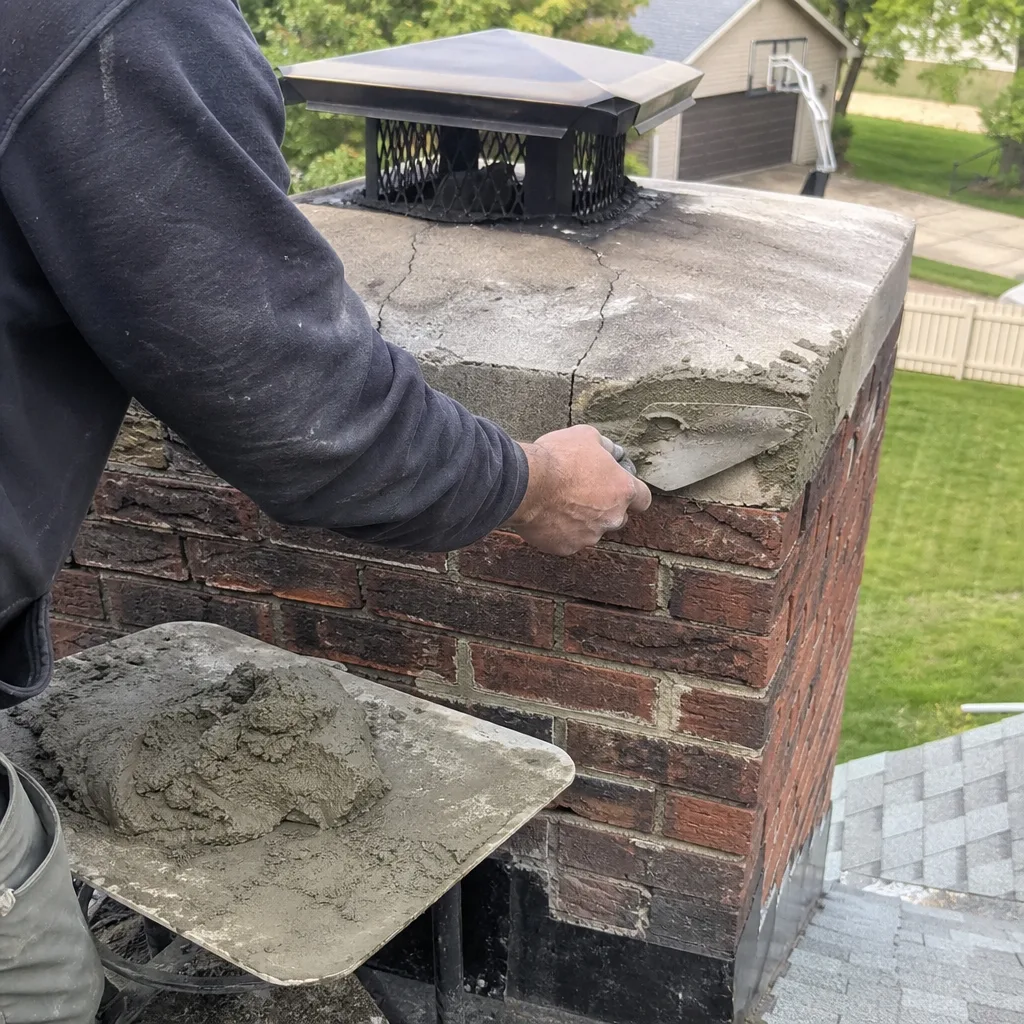
After the sweep, you should receive a packet that serves as a permanent record. Here’s what legitimate documentation includes, and what to look for when comparing contractors in Orland Park.
Photo Timestamps
Every image should carry a date and time stamp. This proves when the inspection occurred and prevents recycling of old photos. In Orland Park’s seasonal market, a March inspection photo used for a November report would misrepresent current conditions.
Flue Measurements
Interior dimensions at multiple points, documented in writing. Liner sizing for any future replacement depends on accurate measurements. Generic “standard flue” language is insufficient.
Condition Codes
A clear classification system for what was found. NFPA 211 uses three inspection levels; your documentation should specify which level was performed and what conditions triggered that level. For Level 2, the camera evidence should be present.
Creosote Classification
Class I (powdery soot), Class II (crusty flakes), or Class III (glazed, tar-like). This determines cleaning method and burning recommendations. Class III creosote in an Orland Park home burning seasoned hardwood suggests an operational issue (insufficient draft, oversized fireplace, or unseasoned fuel) that the technician should address in writing.
Warranty Terms
Specific duration, coverage scope, and claim process. The 365-Day Done Right Promise specifies: “If it’s not done right, we make it right.” The mechanism for invoking it should be clear.
Written Scope of Work Performed
Not a checklist, but a narrative of what was done, with materials specified by brand. “Installed stainless cap” is weak. “Installed Gelco 13×13 stainless steel chimney cap with mesh spark arrestor” is strong. This matters for warranty claims and for matching materials if repairs are needed later.
At Emberly Chimney Cleaners Orland Park home, every job since 2009 has produced this documentation. The archive now exceeds 38,000 chimney records, searchable by address. When a homeowner in Orland Park calls us for a follow-up, we pull their previous report before dispatching. We know what their flue looked like two years ago, and we can show them the comparison.
What a Full-Service Sweep Looks Like in Practice
Theory is useful. Here’s what the process actually looks like when you hire a contractor operating to the Haven Standard in Orland Park.
You call (708) 294-2571. A live person answers, 24 hours a day. You describe your fireplace, your concerns, your preferred timing. We schedule a visit, assign a named technician, and text you when they’re en route.
The technician arrives in a marked vehicle, in uniform, with license information visible. They lay protective covering, inspect the exterior for crown condition and cap integrity, then set up the camera rig. The flue scan takes 15-30 minutes depending on height and complexity. You watch the live feed if you choose.
Findings are explained in plain terms: “Your clay liner has a stair-step crack at the third flue tile. This is a common pattern in Orland Park homes of this age, caused by thermal cycling. It allows combustion gases to reach the chimney wall. Here’s the camera image.” No jargon without definition. No pressure.
If cleaning is needed, the creosote class determines method. Class I and II respond to mechanical sweeping. Class III glazed creosote may require chemical treatment before removal. The written price specifies which method, which materials, and the total.
If repair is recommended, the written price includes specific materials: DuraFlex liner for relining, HeatShield for smoke chamber resurfacing, Olympia Chimney components for rebuilds. We source through Haven’s buying network to keep pricing honest, and we specify brands so you can verify quality independently.
Work proceeds only after your written approval. After completion, the camera runs again to document the cleaned or repaired condition. You receive the full packet: photos, measurements, condition codes, written scope, written warranty. The 365-Day Done Right Promise is stamped on every document.
This is Chimney Cleaning & Sweep in Orland Park performed to a documentation standard, not a minimum standard.
Common Mistakes to Avoid
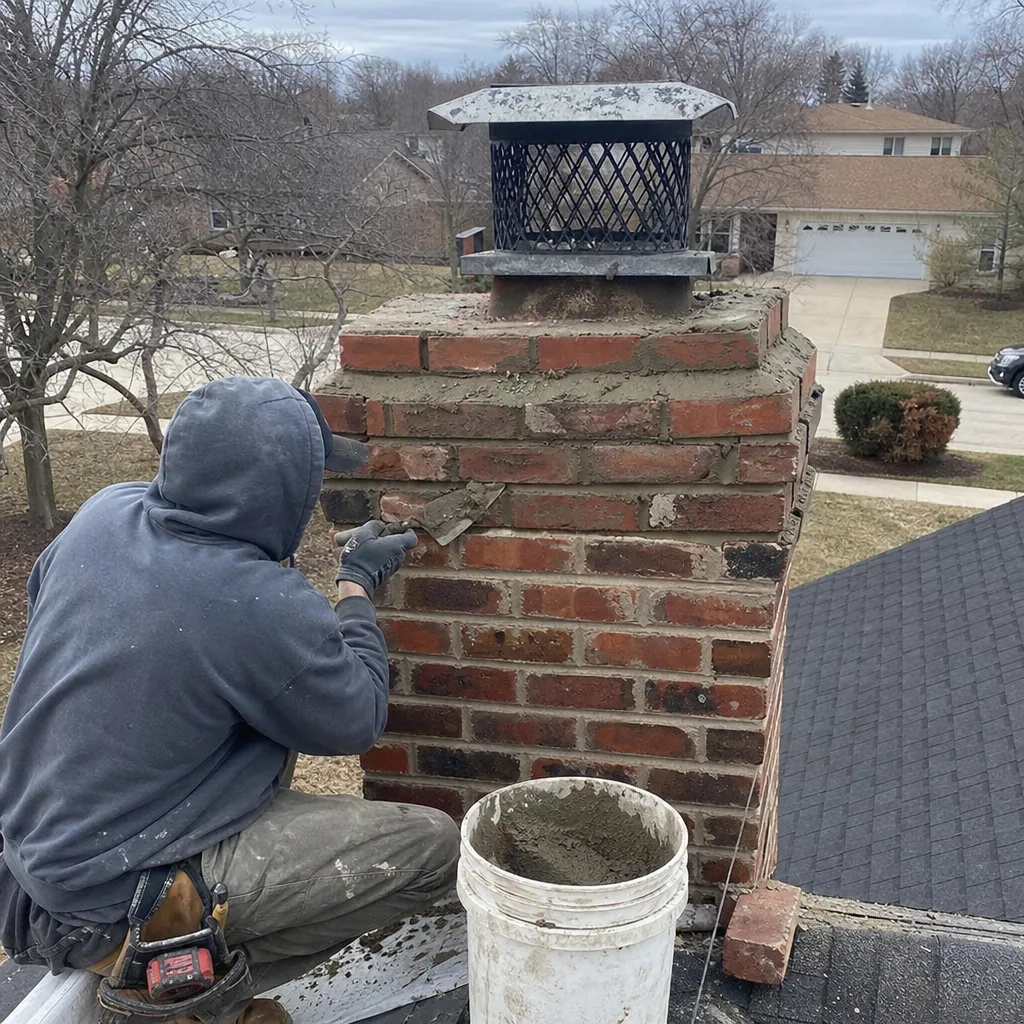
- Booking based on lowest price alone. In Orland Park, the price spread between a flashlight sweep and a camera-documented Level 2 inspection is often narrower than you’d expect. The difference in what you receive is enormous. Compare deliverables, not just dollars.
- Accepting verbal summaries. “The technician said it looked fine” protects no one. Insist on photos, written condition codes, and a report you can reference.
- Ignoring the “free inspection” business model. If the inspection is free, the revenue comes from somewhere. Usually, high-pressure sales of unnecessary work. A legitimate sweep charges for professional documentation or bundles it transparently into service pricing.
- Neglecting to verify Illinois workers’ comp coverage. An injured uninsured worker on your property can become your financial liability. Request the COI from the insurance agent directly.
- Assuming CSIA certification equals camera equipment. It does not. Ask the specific equipment question every time.
- Waiting for visible problems. By the time you see staining on the ceiling or smell smoke in the room, damage is advanced. In Orland Park’s climate, annual inspection catches deterioration before it becomes visible failure.
- Not keeping documentation for home sale. A documented chimney record increases buyer confidence and can prevent last-minute repair demands that derail closing.
When to Call a Professional
Call a chimney professional before burning season begins, ideally in late summer or early fall, when scheduling is flexible and any needed repairs can be completed before temperatures drop. In Orland Park, where first frost typically arrives in October and heavy burning begins by Halloween, September appointments are optimal.
Call immediately if you notice: smoke entering the room during operation, a strong odor from the fireplace when not in use, visible cracks in the exterior masonry, or debris falling into the firebox. These symptoms indicate conditions that worsen with use.
Call if you’re purchasing a home, even with a general inspection report. Home inspectors visually examine chimneys from the ground and hearth. They do not camera-scan flues. We’ve found critical liner defects in Orland Park homes that passed general inspection.
Emberly Chimney Cleaners Orland Park offers free estimates in Orland Park. Call (708) 294-2571 to schedule, or request an appointment through our Chimney Repair in Orland Park page. Every estimate includes camera documentation if conditions warrant, and every written price is delivered before work begins.
Frequently Asked Questions
A documented NFPA 211 Level 2 chimney sweep with camera inspection in Orland Park typically ranges from $250 to $450, depending on flue accessibility, creosote class, and whether the fireplace is a standard open hearth or a complex insert system. Basic sweeps without camera documentation may cost less but provide no permanent record of liner condition. Call (708) 294-2571 for an exact written price - estimates are free.
You need a new liner when camera inspection shows cracks, gaps, or deterioration that allows combustion gases to escape the flue, or when your existing liner is unlisted terra cotta in a system that now requires UL-listed stainless steel. In Orland Park homes built 1970-1995, original clay liners often show thermal fatigue. We recommend replacement only when camera evidence confirms the defect, and we show you the image before quoting. Some conditions can be monitored annually rather than replaced immediately.
The NFPA 211 standard calls for annual inspection, with cleaning frequency determined by creosote accumulation. In Orland Park, where many homeowners burn regularly from October through March, annual sweeping is typical for wood-burning fireplaces. Gas fireplaces require less frequent cleaning but still need annual inspection for venting integrity and debris obstruction from our mature tree canopy. The inspection determines whether cleaning is needed; sweeping without inspection is incomplete service.
Skipped maintenance allows creosote accumulation, which increases chimney fire risk, and permits liner deterioration to progress undetected, which can allow carbon monoxide intrusion or structural damage. In Orland Park’s freeze-thaw climate, small masonry cracks expand dramatically over a single winter. The cost of annual inspection and cleaning is a fraction of emergency repair or liner replacement. Call (708) 294-2571 to schedule before burning season - estimates are free.
A sweep removes combustion deposits from the flue and firebox. An inspection evaluates structural condition, liner integrity, and safe operation. They are related but distinct services. A proper sweep includes inspection; an inspection alone does not include cleaning if deposits are present. In Orland Park, we perform both together as standard practice, with camera documentation, because cleaning without knowing what the liner looked like beforehand is incomplete documentation.
Mechanical sweeping of a ground-level fireplace with proper brushes and rods is possible for a knowledgeable homeowner, but it does not substitute for camera inspection of the flue interior, which requires specialized equipment and training to interpret. In Orland Park’s two-story homes with steep roof pitches, accessing the chimney top for exterior evaluation is genuinely dangerous without proper fall protection. We recommend professional service for the inspection component, which reveals conditions no brush can address. For Fireplace Services in Orland Park that include full documentation, professional engagement is the practical choice.
The Bottom Line
Hiring a chimney contractor in Orland Park comes down to documentation discipline. Certification proves knowledge; camera evidence, written pricing, and permanent records prove what was actually done. The four questions in this guide separate contractors who can show you your flue from those who can only describe it. Ask them. Write down the answers. The differences will be immediate and obvious.
Since 2009, Emberly Chimney Cleaners has completed more than 38,000 chimney inspections and cleanings, every one with a written price before work started and a documented record when finished. The Haven Standard’s four clauses - written price, verified crews, scheduled arrival, and photo documentation - were built from that practice, not imposed upon it.
Call (708) 294-2571 for a free estimate in Orland Park. A live person answers, 24 hours a day. You’ll receive a written price before any work begins, camera documentation as standard, and the 365-Day Done Right Promise on every job.
Written by Corrine Halstead, Owner at Emberly Chimney Cleaners Orland Park, serving Orland Park since 2009.