
Last updated September 22, 2026
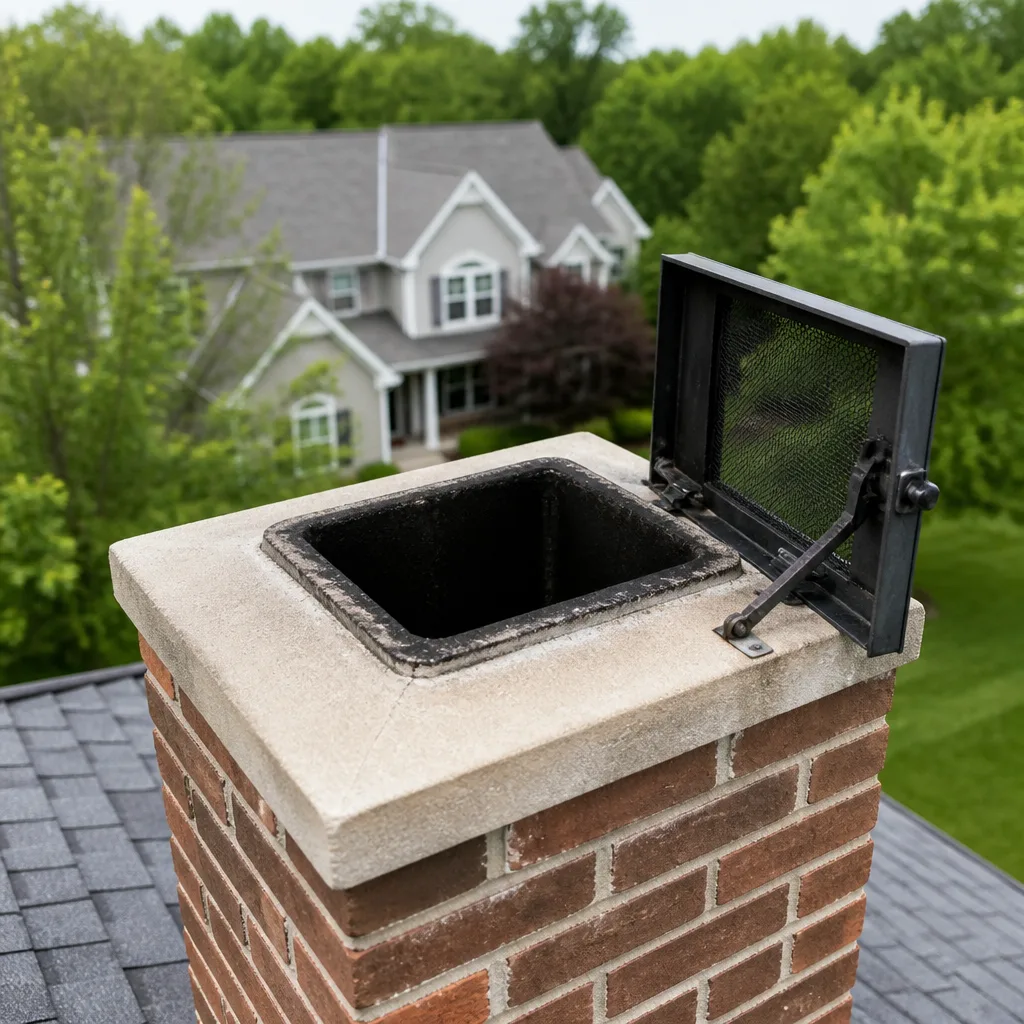
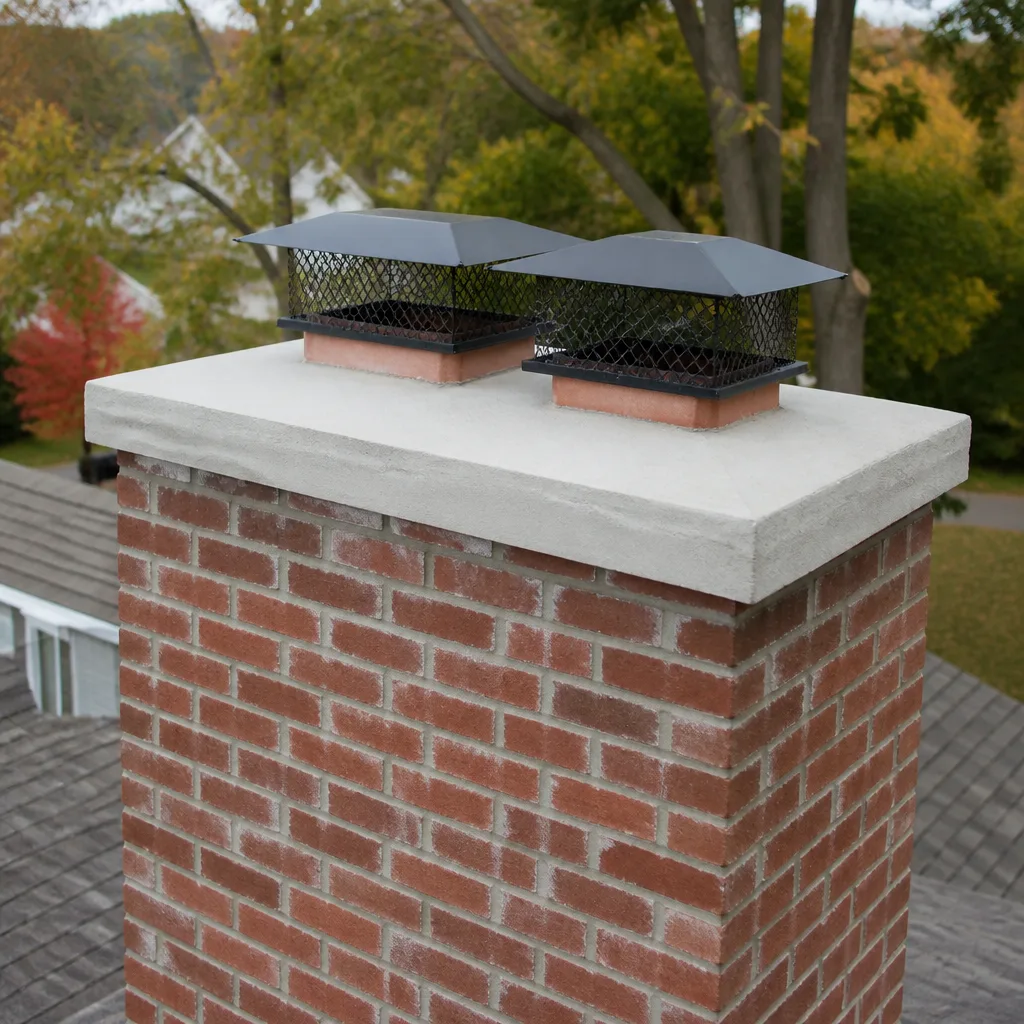
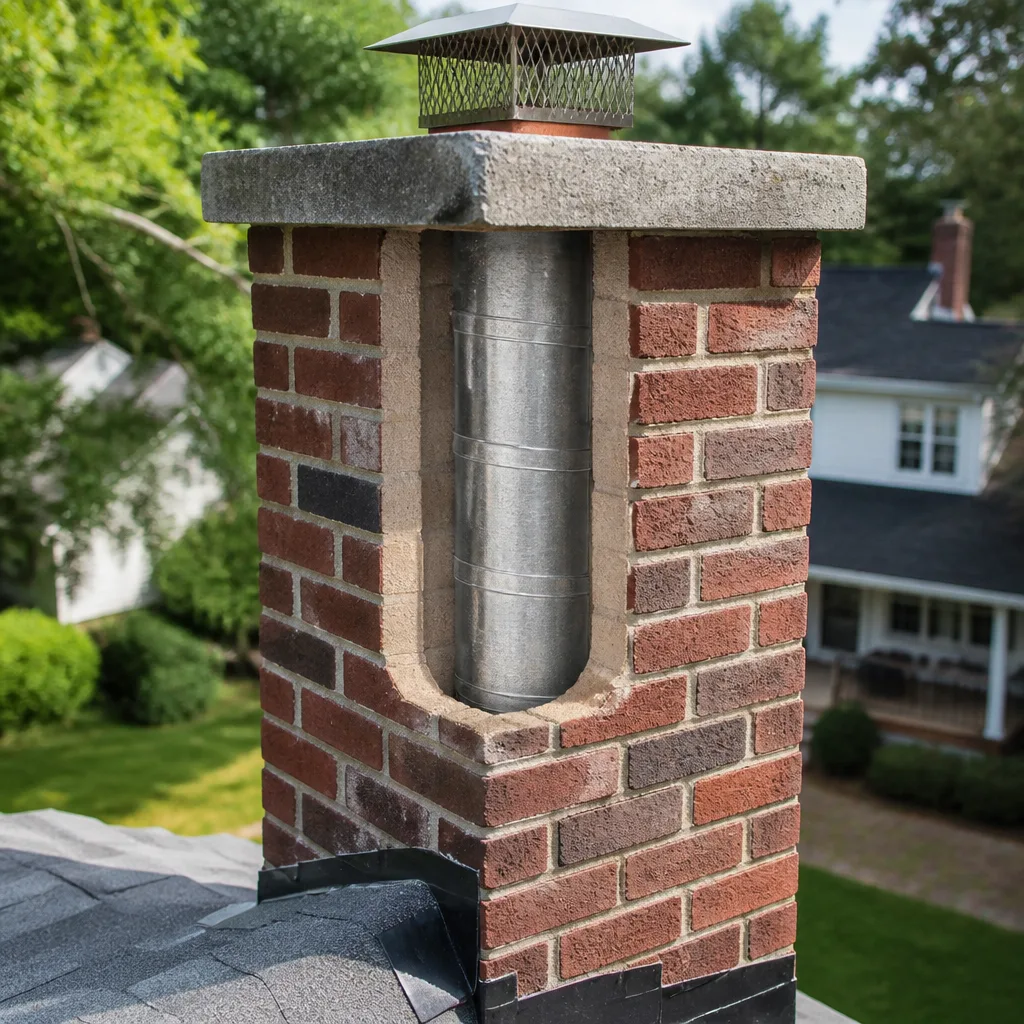
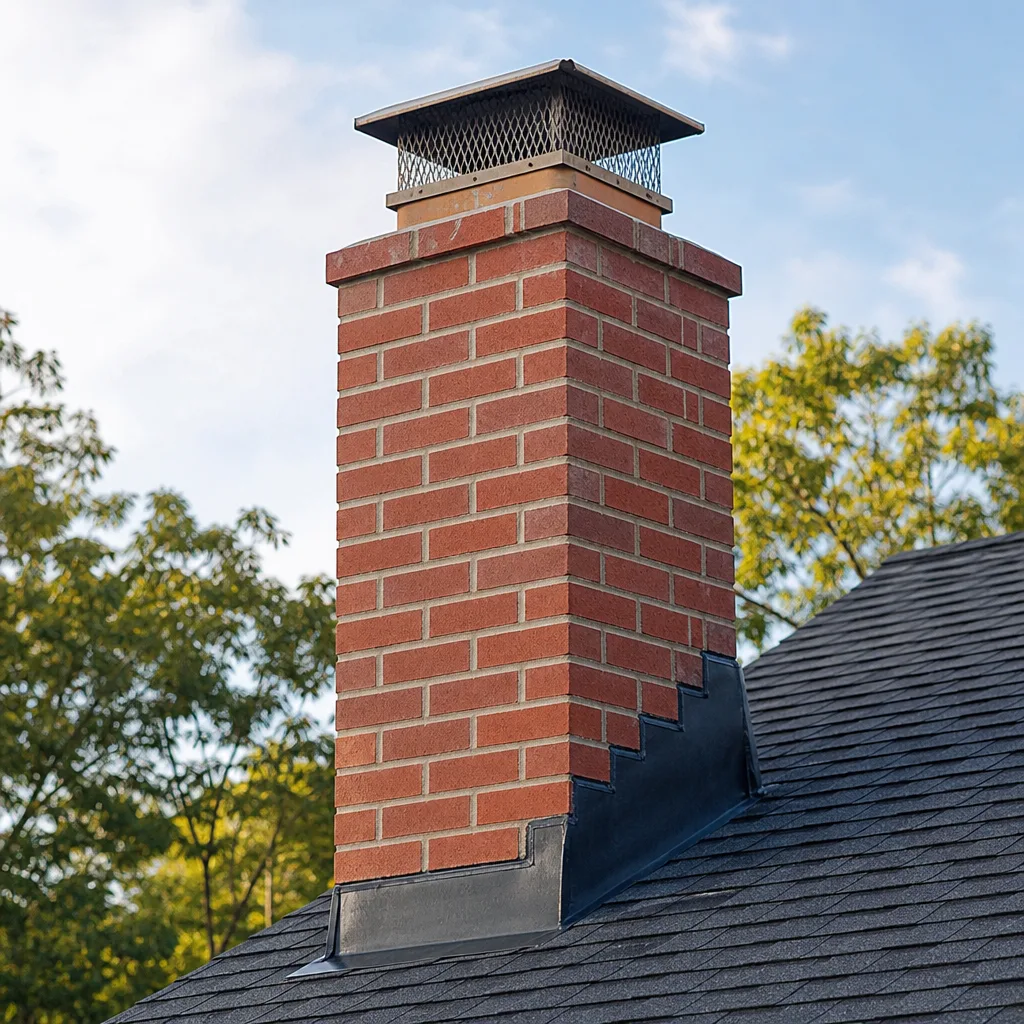
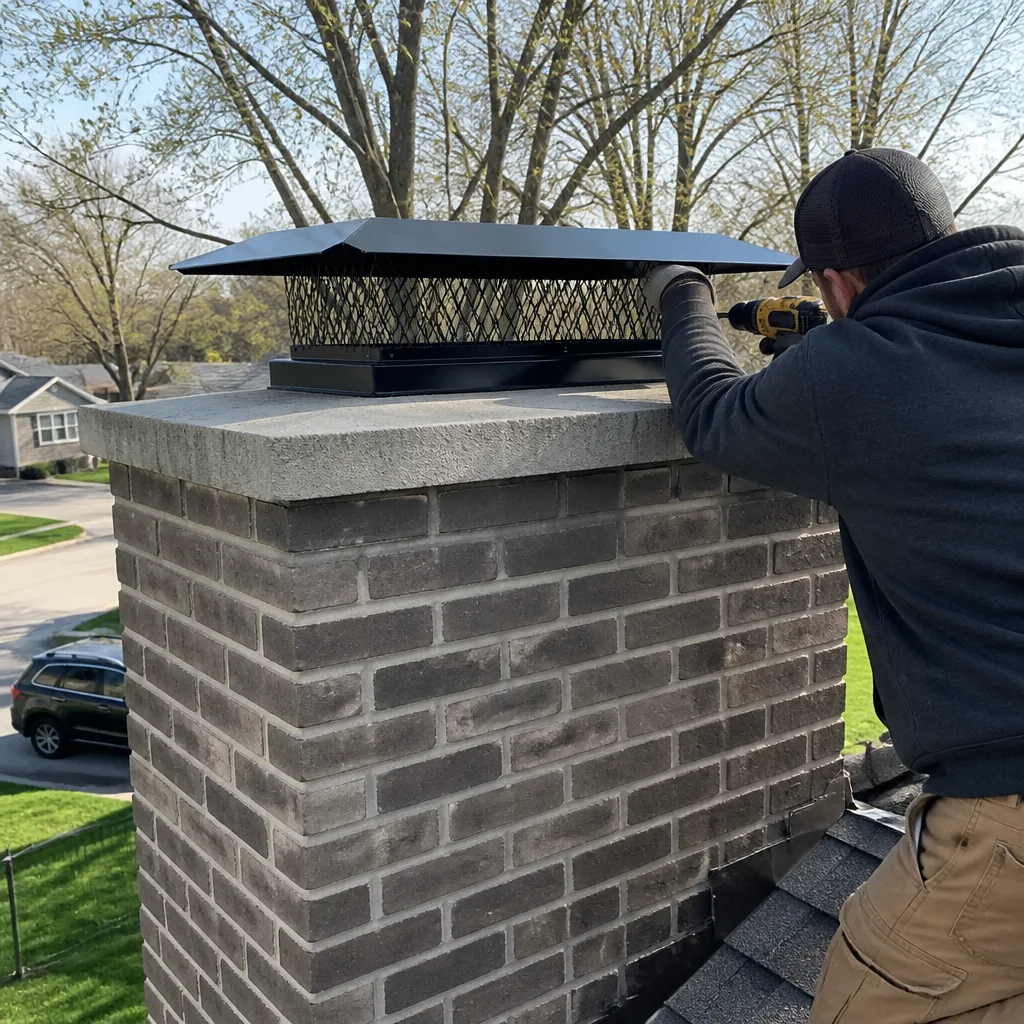
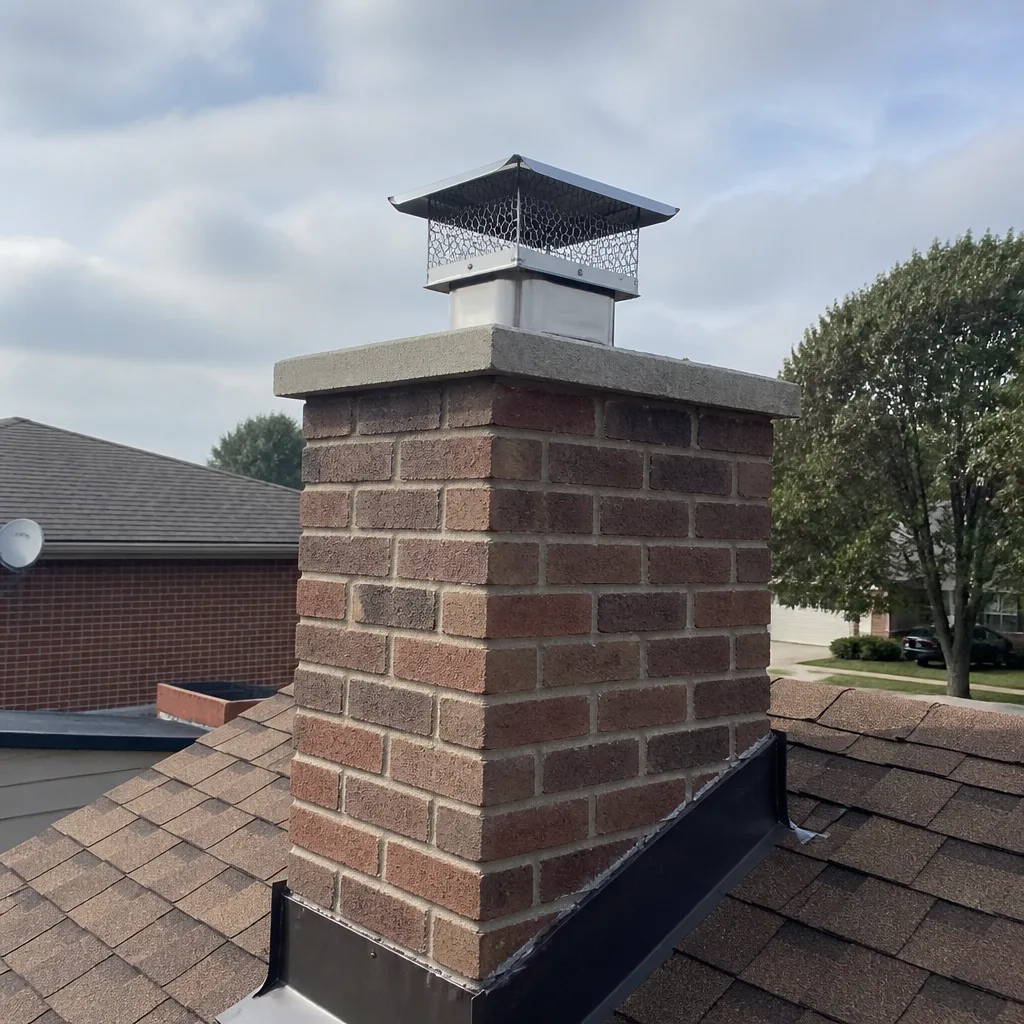
Level 1 sweep and inspection to the NFPA 211 annual standard - flue, crown, cap, and flashing checked and photographed
Chimney sweep logs do not sweep chimneys. They loosen some creosote - which then falls where a brush and vacuum still have to collect it.
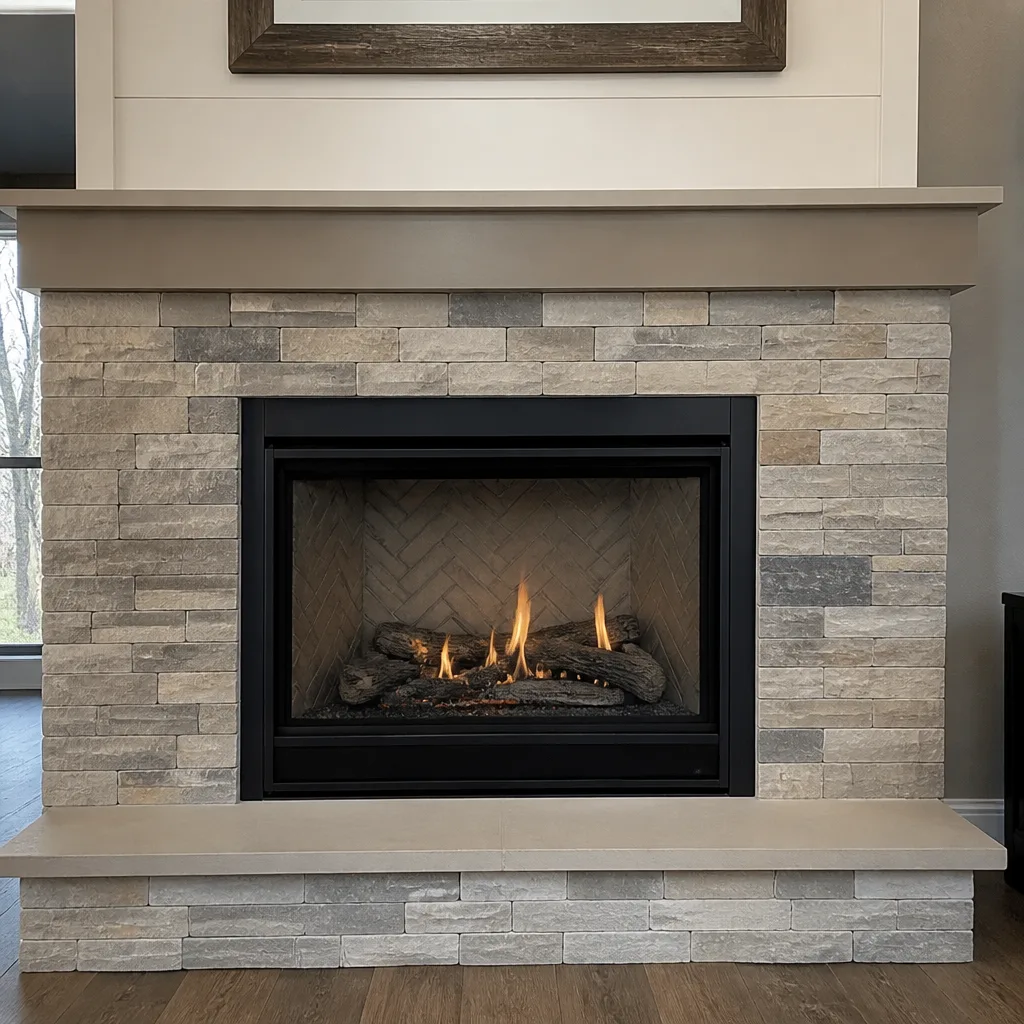
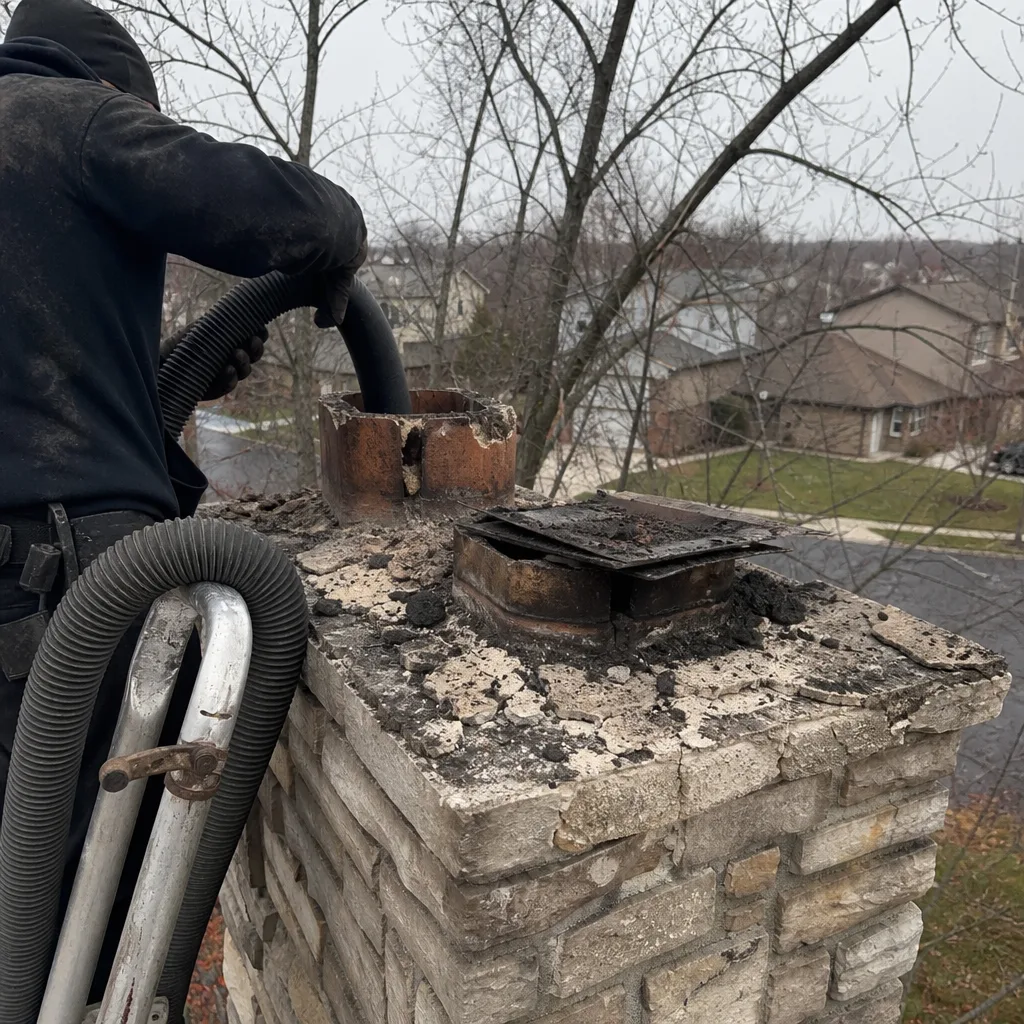 Before
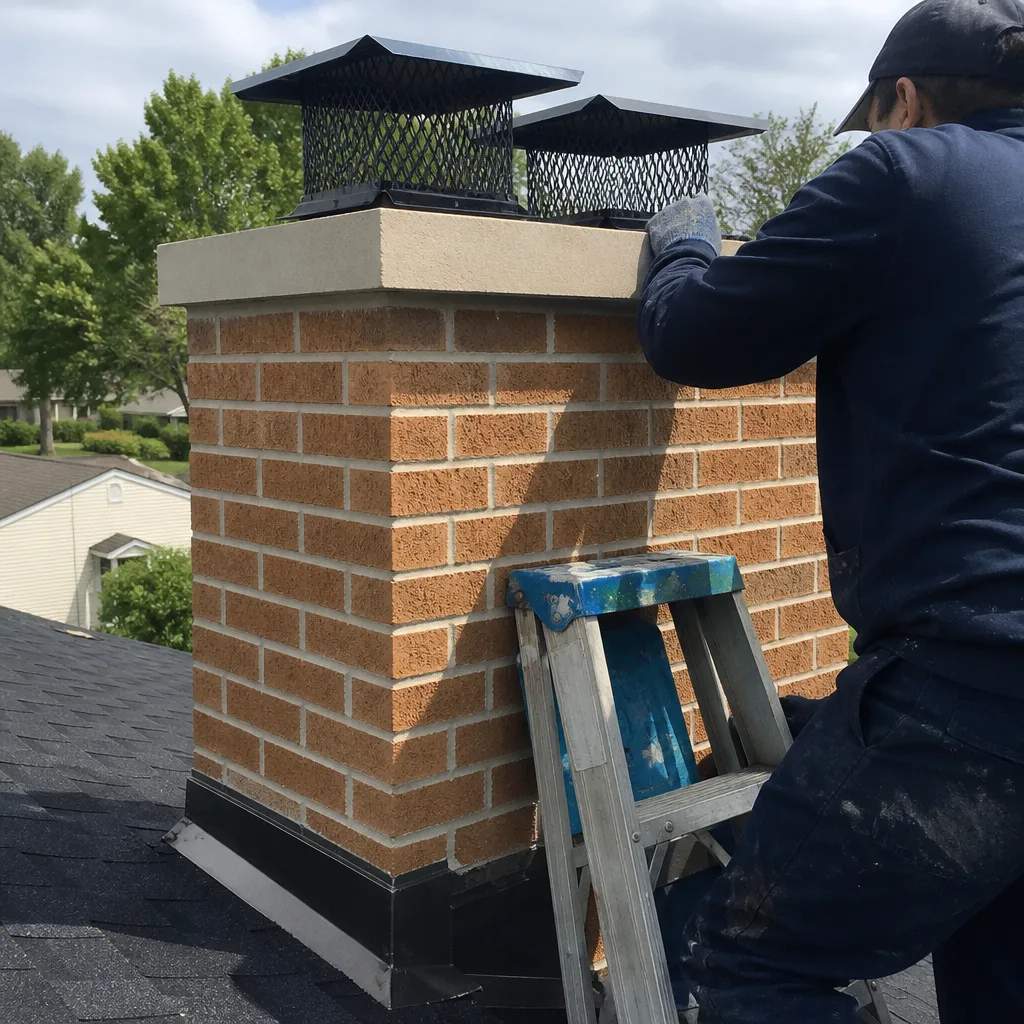 After
After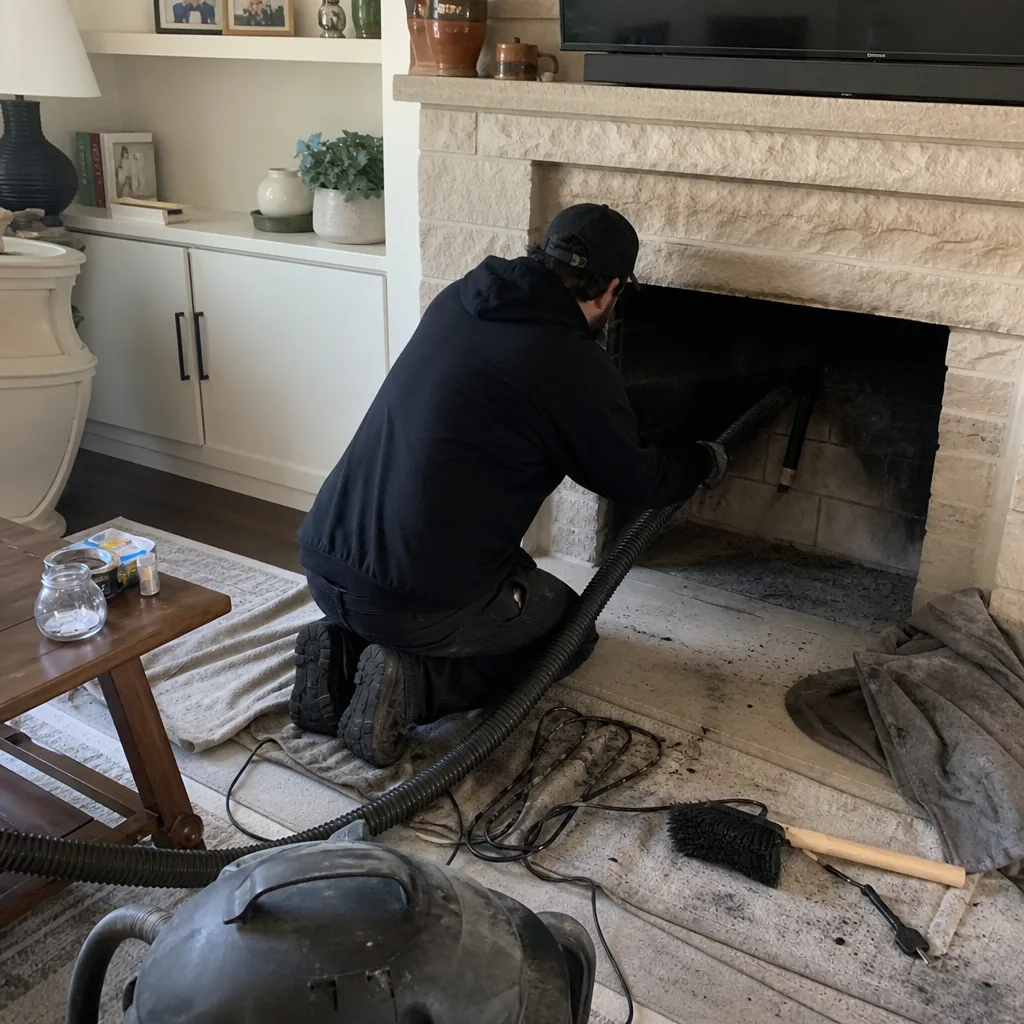 Before
 After
After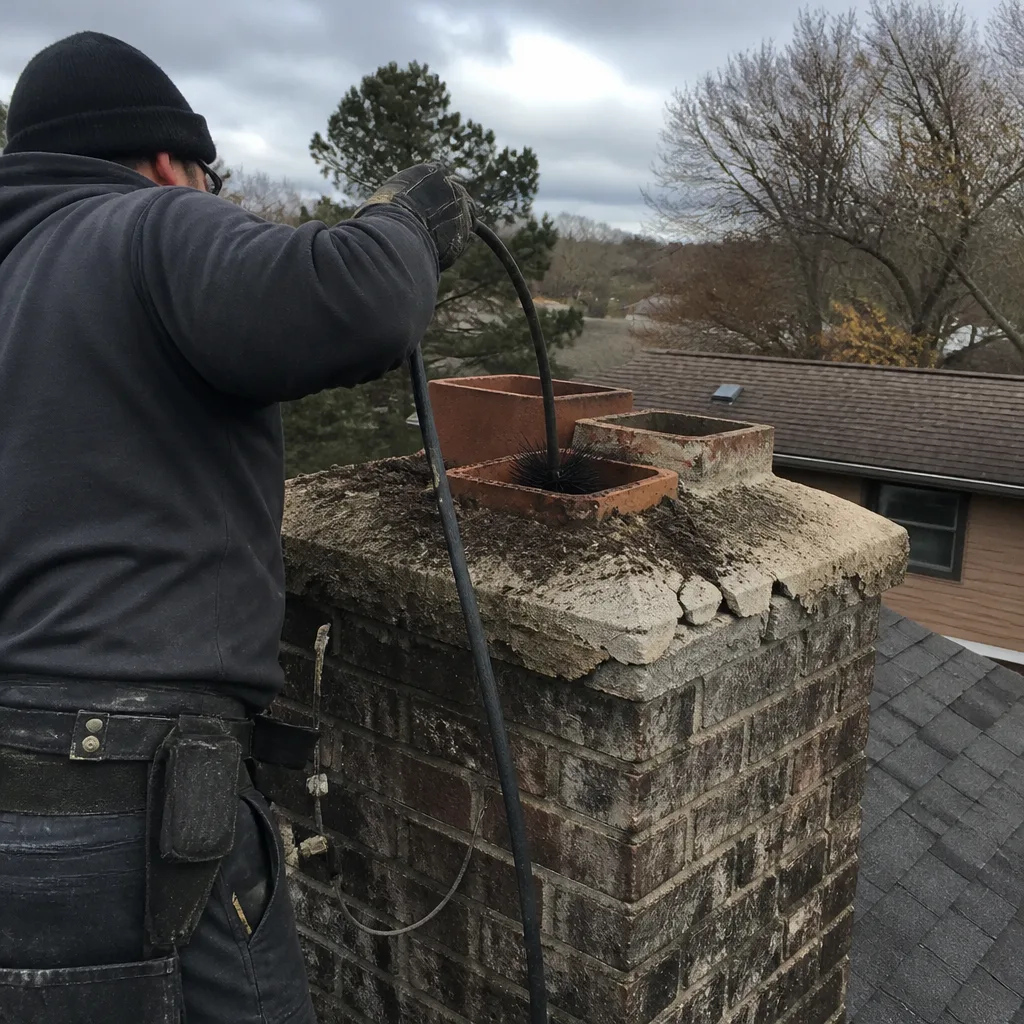 Before
 After
AfterChimney Cleaning Permits, Codes & Inspections in IL: What You Need to Know
A chimney relining job done without a permit in Illinois can be flagged during a real estate transaction and force a retroactive inspection - at the seller’s expense - even if the work was done correctly. We’ve seen this in Orland Park more than once: a homeowner in the Hunter’s Ridge area installed a stainless steel liner through a reputable company, skipped the permit because “it was just a liner,” and five years later the buyer’s attorney spotted the gap in village records. The seller paid $380 for the retroactive inspection, plus a $200 late filing penalty, and nearly lost the closing date. This guide maps exactly which work triggers an Illinois permit, how Orland Park and Will County codes interact, and why the inspection report from your sweep is the document that starts - or protects - your paper trail.
Quick Answer
Chimney cleaning and sweeping do not require a permit anywhere in Illinois. However, repairs commonly found during cleaning - liner replacement, crown rebuilding, firebox repair, or structural masonry work - typically do require permits under the Illinois Fuel Gas Code and International Residential Code as adopted by your municipality. For a deeper look at what to watch for, see our Chimney Cleaning Warning Signs: A Orland Park Homeowner’s Reference Guide. In Orland Park, the Building Division issues permits for chimney work, while Will County handles unincorporated areas; a Level 2 camera inspection report serves as the baseline documentation for any permit application.
Table of Contents
- Cleaning vs. Repair vs. Replacement: The Permit Threshold
- Illinois Codes That Govern Chimney Work
- Orland Park and Will County: Who Issues What
- Why a Level 2 Inspection Is Your Permit Baseline
- Insurance Claims and Real Estate Disclosure in Illinois
- What Permits Cost and How Long They Take
- Common Mistakes to Avoid
- When to Call a Professional
- Frequently Asked Questions
- The Bottom Line
 Before
 After
AfterCleaning vs. Repair vs. Replacement: The Permit Threshold
The single most important distinction in Illinois chimney regulation is what category your work falls into. Cleaning never needs a permit. Repair sometimes does. Replacement almost always does. The difference comes down to a concept called “substantial repair” - and Illinois municipalities interpret this threshold differently than homeowners expect.
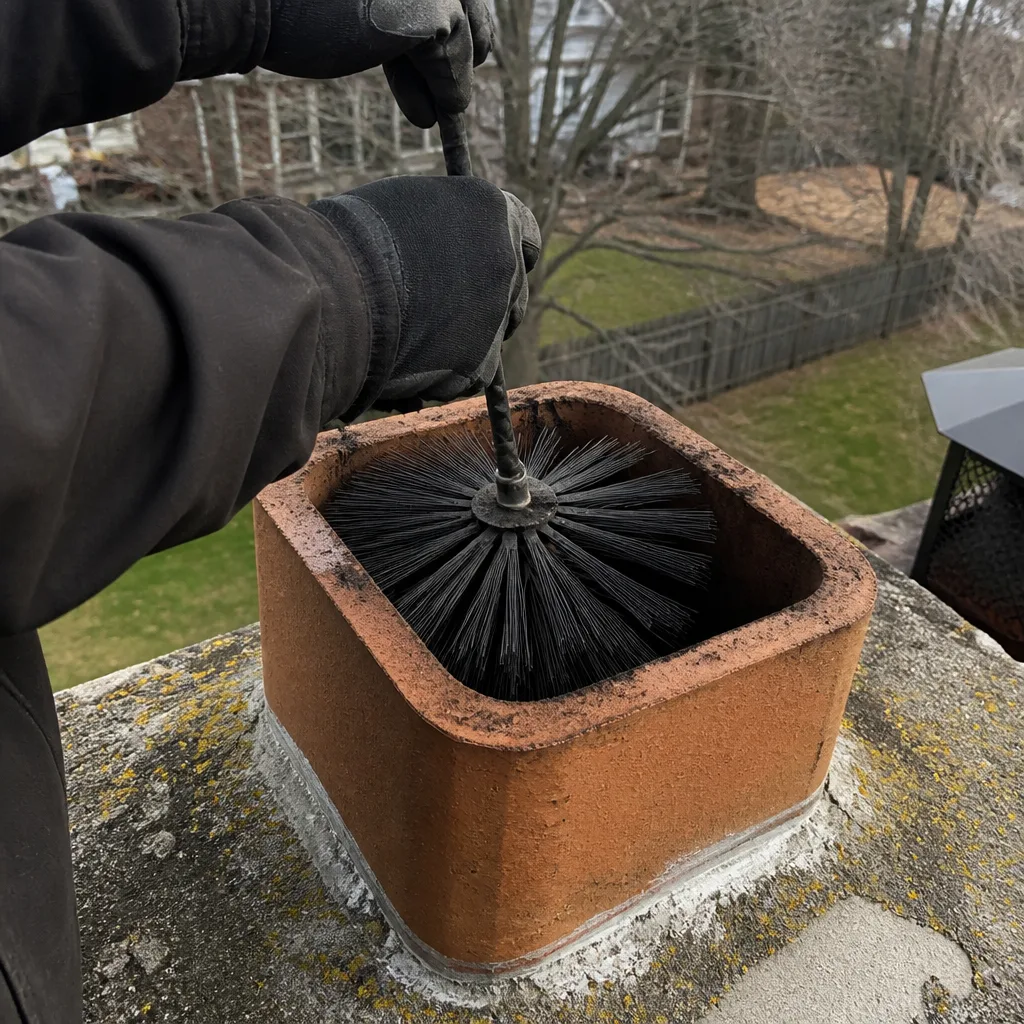
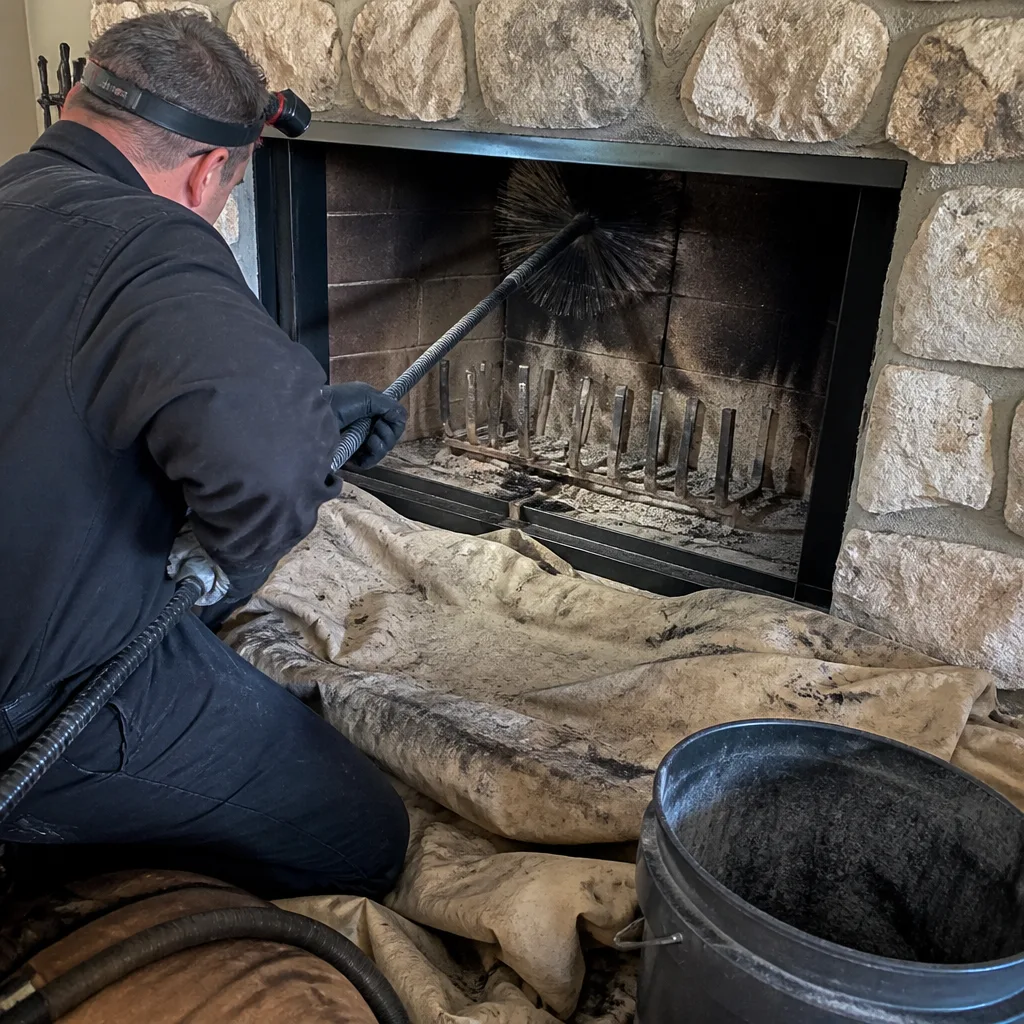
Cleaning (no permit required): A standard chimney sweep removes soot, creosote buildup, and minor debris from the flue, smoke chamber, and firebox. In Orland Park, this includes mechanical brushing, vacuuming, and chemical treatment of Class I or II creosote (the flaky or tar-like deposits that accumulate from normal wood burning). No structural modification occurs. No permit. No inspection. The work is maintenance, not construction. You can find more guides & resources in our blog.
Repair (permit may be required): This is where homeowners get surprised. Under the International Residential Code as adopted by Illinois, “repair” becomes “substantial repair” when it involves:
- Replacement of more than 25% of the flue liner surface area
- Rebuilding of the crown (the concrete slab that seals the chimney top) when structural reinforcement is added
- Firebox refractory panel replacement exceeding one wall
- Smoke chamber parging (smoothing the corbelled brick that funnels smoke into the flue) when material thickness exceeds 1/4 inch
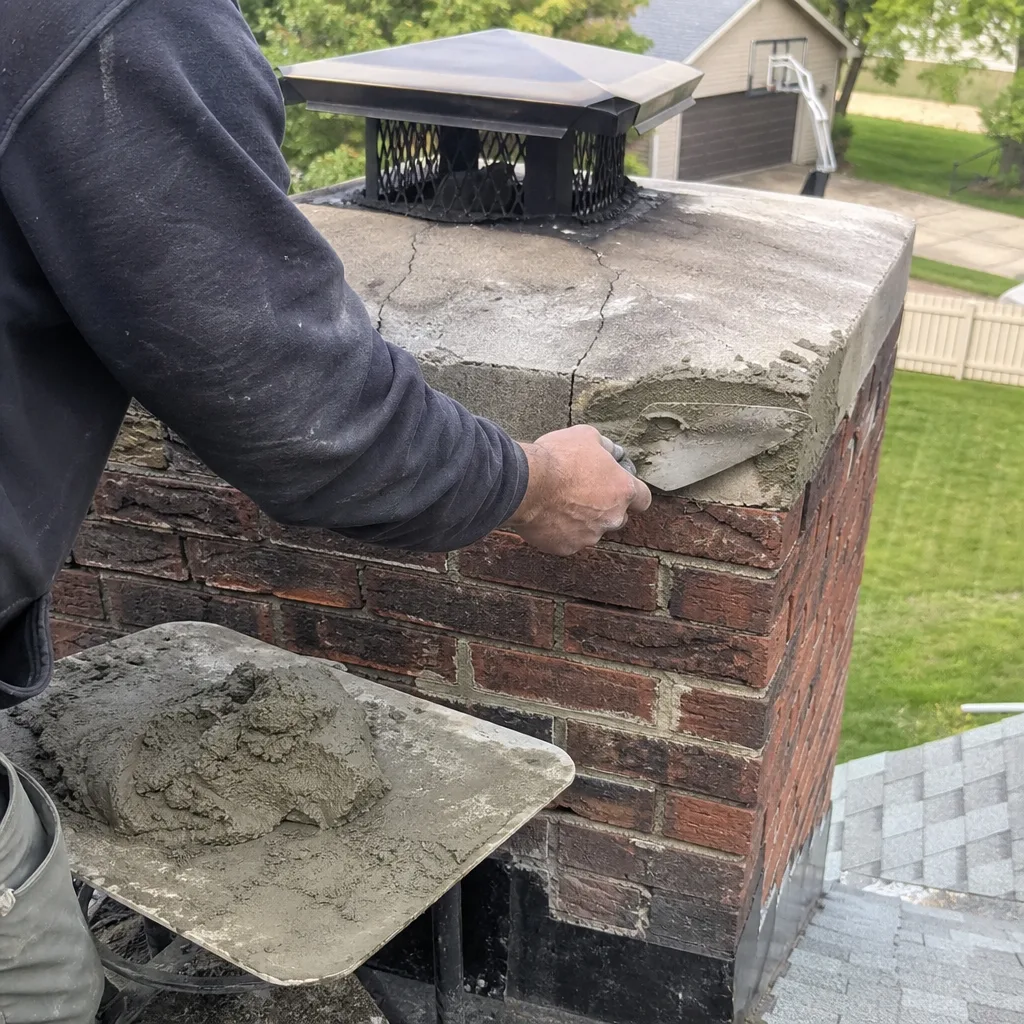
We’ve documented cases in Orland Park’s Crystal Tree neighborhood where a crown rebuild was classified as “substantial repair” because the mason added wire mesh reinforcement to prevent future cracking. The homeowner hadn’t expected a permit. The village inspector flagged it during a routine exterior inspection triggered by a neighbor’s complaint about scaffolding.
Replacement (permit required): Full liner replacement, chimney rebuilds above the roofline, addition of a new flue for a fireplace insert, or installation of a factory-built chimney system all require permits. In Will County unincorporated areas, this includes the wood-burning appliance itself if it’s new construction or a change of fuel type.
The practical test we use: if we’re opening a wall, removing brick, or installing a manufactured component like a DuraFlex or HeatShield liner system, we tell the homeowner to expect a permit conversation. If we’re brushing and inspecting, we don’t.
Illinois Codes That Govern Chimney Work
Illinois doesn’t write its own chimney code from scratch. The state adopts model codes with amendments, and your local municipality can add further requirements. For chimney work, three codes matter:
International Fuel Gas Code (IFGC): Governs gas appliance venting, including gas fireplaces, furnaces, and water heaters that vent through chimneys. The 2021 IFGC, as adopted by Illinois with state amendments, specifies minimum liner sizing, vent connector materials, and clearance to combustibles. In Orland Park, gas appliance venting must comply with IFGC Chapter 5, and the village requires a separate gas permit for any new gas line or appliance connection - even if the chimney itself isn’t modified.
International Residential Code (IRC): Governs wood-burning fireplace and chimney construction, repair, and liner installation. IRC Chapter 10 (Chimneys and Fireplaces) is the section most sweeps reference. Key provisions include:
- R1001.11: Flue liners must be installed with refractory mortar, and joints must be smooth
- R1003.11: Liners must be sized per appliance manufacturer’s instructions or NFPA 211
- R1003.15: Cracked or damaged liners must be repaired or replaced - this is the “substantial repair” trigger
Illinois amended the 2021 IRC to require carbon monoxide detectors within 15 feet of any sleeping area when a fuel-burning appliance is present - not directly chimney-related, but inspectors flag missing detectors during chimney permit final inspections.
NFPA 211: Not a building code, but the standard of care referenced by virtually every Illinois court in chimney fire litigation. NFPA 211 defines three levels of inspection. Level 2 - camera scan of the flue interior - is required when a property changes hands, after a chimney fire, or before liner installation. This is the standard Emberly Chimney Cleaners has used since 2009, and it’s the documentation that supports your permit application.
Orland Park’s local amendment to the IRC requires that any chimney work above the roofline visible from the street must use materials matching the existing structure “in color, texture, and general appearance.” We’ve had homeowners in the Mallard Landing area replace a spalling brick chimney with manufactured stone veneer, only to learn the village required brick-to-brick matching in that zoning district.
Orland Park and Will County: Who Issues What
Permit jurisdiction in the Orland Park area splits along municipal boundaries, and the difference matters for inspection scheduling, fees, and documentation requirements.
Orland Park Village (incorporated): The Building Division at Village Hall issues all chimney permits. Their process:
- Submit application with scope of work, contractor license, and proof of insurance
- Attach Level 2 inspection report or contractor’s detailed written proposal
- Pay permit fee (see pricing section below)
- Schedule rough inspection (for liner installations, after liner is in place but before closure)
- Schedule final inspection (after all work complete, appliances connected, detectors verified)
Orland Park requires the contractor to be licensed with the village. Emberly Chimney Cleaners maintains this license; our number is displayed on every page. The village inspector typically responds within 2 business days for scheduling, and we’ve found their chimney inspections thorough but predictable - they check liner connections, crown slope (minimum 1/4 inch per foot for drainage), and spark arrestor height above the flue opening.
Will County (unincorporated areas): The Will County Land Use Department handles permits for addresses with Orland Park mailing addresses but outside village limits - common in the areas near 167th Street and Wolf Road, and south of 179th Street. Will County uses the same IRC and IFGC base codes but with fewer local amendments. Their permit process is:
- Online or paper application with contractor registration
- Single inspection for most chimney work (no separate rough inspection for liner-only jobs)
- Final inspection includes verification of appliance installation permit if applicable
Will County does not enforce Orland Park’s aesthetic matching requirement, but they do require erosion control measures for any masonry work generating debris - a consideration for full rebuilds.
Tinley Park overlay: Some Orland Park-adjacent addresses fall under Tinley Park jurisdiction, which uses the same codes but requires a pre-construction conference for jobs exceeding $5,000. We’ve encountered this in the Brookside Glen area where mailing addresses blur municipal lines.
The practical step: before any repair work begins, we verify jurisdiction using the property’s PIN (Property Index Number) through the Cook County or Will County assessor’s database. Homeowners can do this themselves, but we handle it as part of our written proposal process - Clause 1 of the Haven Standard requires we identify permit needs before pricing.
Why a Level 2 Inspection Is Your Permit Baseline
Every permit application for chimney repair or replacement in Illinois requires documentation of existing conditions. The Level 2 inspection report is that documentation. Without it, you’re asking a building official to approve work based on a contractor’s verbal description - which they’ll refuse.
Here’s what a Level 2 inspection includes, and how each element transfers directly into permit drawings:
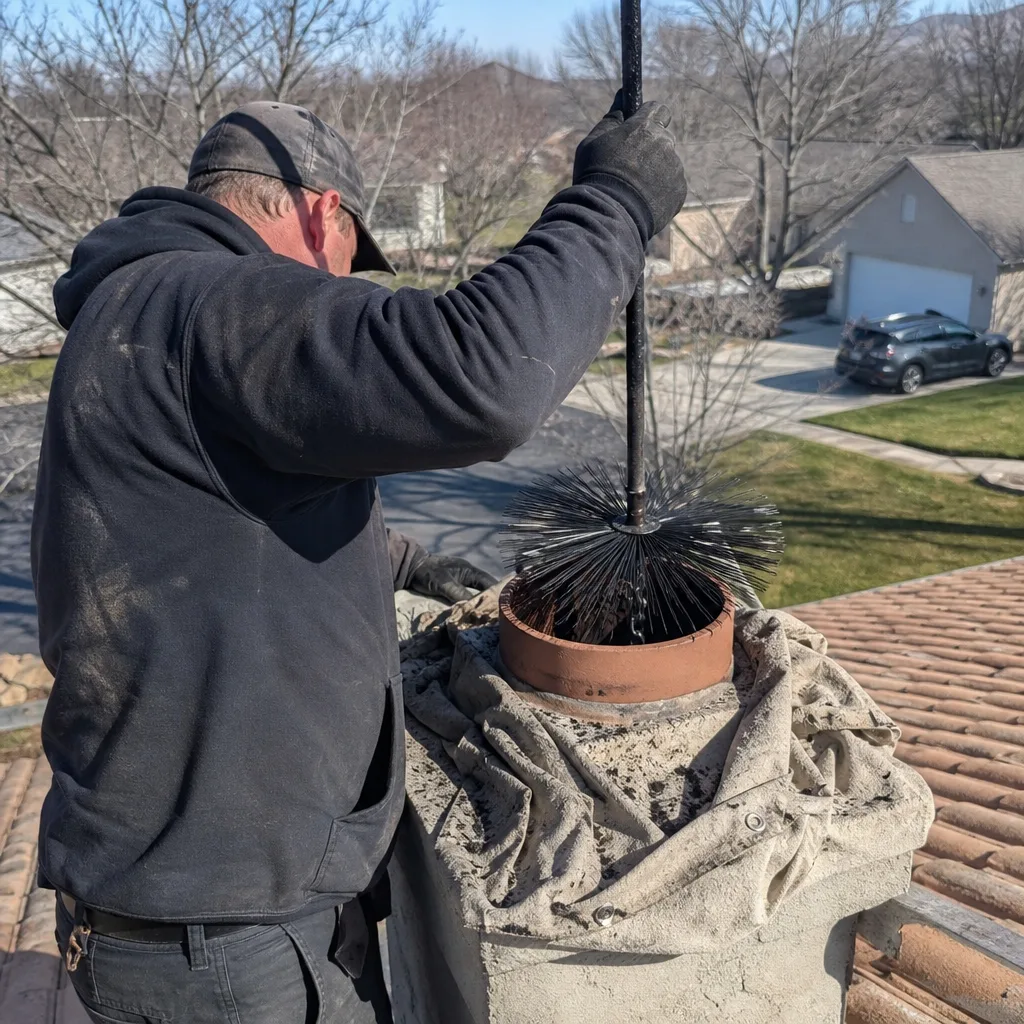
Video documentation of flue interior: The camera scan reveals liner condition, joint alignment, creosote class, and obstruction location. In Orland Park, where freeze-thaw cycles from Lake Michigan-influenced weather accelerate spalling and liner deterioration, this footage often shows damage invisible from the top or bottom. We timestamp and geotag every video. The building inspector doesn’t watch the full scan, but we extract still frames for the permit packet showing the “before” condition that justifies the repair.
Written measurements: Flue diameter, liner length, chimney height above roofline, and clearance to combustibles. These become the basis for engineered liner sizing. For gas appliance conversions in Orland Park’s newer construction (2015-2025 builds in neighborhoods like Shadow Ridge), we frequently find builders used the minimum allowable flue size for the original wood-burning fireplace. Converting to gas inserts often requires liner reduction or direct venting - both permit-triggering changes that need precise measurements.
Photo record of exterior and interior components: Crown condition, brick integrity, flashing details, damper operation, smoke chamber profile. Under Haven Standard Clause 4, we’ve maintained this photo archive since 2009. For permit purposes, exterior photos establish the aesthetic baseline for Orland Park’s matching requirement. Interior photos of the firebox document whether refractory panels are factory-original or prior replacements - a distinction that affects whether current work qualifies as “repair” or “replacement.”
Written scope and price: Our proposal becomes the contractor’s affidavit of work to be performed. Orland Park accepts this in lieu of separate engineered drawings for standard liner installations, provided the liner manufacturer (DuraFlex, Olympia Chimney, or equivalent) provides ICC-ESR evaluation reports, which we include.
We’ve had homeowners bring us permit rejections from other jurisdictions - typically because their prior sweep provided only a handwritten receipt saying “needs liner.” That’s a Level 1 inspection result, insufficient for permit purposes. The camera documentation is what converts a sweep’s finding into a buildable, permit-able project.
Insurance Claims and Real Estate Disclosure in Illinois
The permit paper trail extends beyond the building department. Two other contexts where missing permits surface: homeowner’s insurance claims and real estate transactions.
Insurance claims: After a chimney fire, Illinois insurers increasingly request documentation of preventive maintenance. A documented Level 2 inspection history - annual or biennial scans showing creosote levels, liner condition, and any recommended repairs - supports claims that the homeowner acted responsibly. Conversely, we reviewed a case in Orland Park’s Country Club Estates where an insurer denied a $14,000 fire damage claim because the homeowner couldn’t produce inspection records, and the adjuster found a deteriorated liner the homeowner had known about for three years.
Insurers don’t require permits for cleaning. They do require that permitted work was, in fact, permitted. A liner installation done without proper documentation can void coverage for fire damage originating in the chimney system. The policy language typically references “work performed in compliance with applicable building codes” - and unpermitted work, by definition, wasn’t code-compliant at the time of inspection.
Real estate disclosure: Illinois Residential Real Property Disclosure Act (765 ILCS 77/) requires sellers to disclose “defects in the chimney” and “remodeling without required permits.” These are separate checkboxes. A seller who had a liner installed without a permit must disclose the unpermitted work, even if the work was done correctly. Failure to disclose can result in post-closing liability, including the buyer’s cost to obtain retroactive permits.
The retroactive inspection process in Orland Park:
- Buyer or seller applies for “late permit” with original contractor’s information or new contractor’s assessment
- Village inspector examines work for code compliance at time of installation (using code in effect then, not current code)
- If compliant, permit is issued with late fee; if non-compliant, corrective work is ordered
- Work may require opening walls or removing exterior finish to verify concealed components
We’ve performed these retroactive inspections. The cost to the seller typically runs $500-$1,200 in Orland Park, depending on accessibility. The original permit would have cost $85-$200. The documentation from a Level 2 inspection at the time of original work - photos, measurements, written scope - is often the only evidence that work was done correctly, especially if the original contractor is out of business.
What Permits Cost and How Long They Take
Permit costs in the Orland Park area follow a predictable structure, though fees change - verify current rates with the issuing authority.
| Work Type | Orland Park Village Fee | Will County Fee | Typical Timeline |
|---|---|---|---|
| Chimney cleaning/sweep | No permit required | No permit required | Same day |
| Liner replacement (single appliance) | $85-$125 | $75-$100 | 2-5 business days to issue; inspection within 3 days of request |
| Crown rebuild with reinforcement | $125-$175 | $100-$150 | 3-5 business days to issue; rough + final inspections |
| Firebox refractory replacement (full) | $100-$150 | $85-$125 | 2-4 business days to issue |
| Chimney rebuild above roofline | $200-$350 + plan review fee | $175-$300 | 5-10 business days; may require engineered drawings |
| Gas appliance new connection | $85 (chimney) + $65 (gas) | $75 + $55 | 3-5 business days; separate gas inspection required |
| Late/retroactive permit | Base fee + $200 penalty | Base fee + $150 penalty | Variable; may require opening work for inspection |
These fees exclude contractor time for permit application preparation. At Emberly Chimney Cleaners, we include permit application in our written scope when permits are required - no separate charge, because the documentation (Level 2 report, manufacturer specs, our license and insurance verification) is already generated for our own Haven Standard compliance.
Timeline note: Orland Park’s Building Division experiences seasonal backlog in September-November, when homeowners rush to complete work before heating season. We’ve seen permit issuance stretch to 7 business days during peak periods. Will County’s online system is less seasonal but can lag during county budget periods when inspection staff is reduced.
The inspection itself: Orland Park inspectors typically schedule 2-hour windows and require the contractor or homeowner present. Will County offers “contractor release” inspections where the homeowner doesn’t need to be present if the contractor has a signed release - a convenience we offer our clients.
Common Mistakes to Avoid
- Assuming cleaning includes permit research. A standard sweep doesn’t investigate prior permit history. We check village records as part of any repair proposal, but if you’re only purchasing cleaning, ask specifically whether your chimney has open permits or violations on file.
- Hiring a sweep who can’t produce a Level 2 report. In Orland Park, we’ve encountered sweeps who describe their visual inspection as “Level 2 equivalent.” There’s no equivalent. NFPA 211 defines the camera scan as mandatory for Level 2. Without it, your permit application lacks the documentation building officials expect.
- Letting a contractor “handle permits later.” Illinois law requires permits before work begins, not after. A contractor who starts work and promises to “pull the permit tomorrow” is exposing you to stop-work orders, double fees, and failed real estate disclosures. Our written scope identifies permit requirements before any work starts - Haven Standard Clause 1.
- Ignoring the gas permit for gas appliance work. Homeowners in Orland Park’s newer subdivisions (Tanglewood, Eagle Ridge) frequently install gas log sets or inserts, assuming the chimney permit covers everything. The gas line and appliance connection require a separate plumbing/gas permit in both Orland Park and Will County. We coordinate both permits when our scope includes gas appliance work.
- Discarding inspection documentation. The Level 2 report, permit application copies, and final inspection approvals should be kept for the life of the home plus seven years - the statute of limitations for Illinois construction defect claims. We maintain our photo archive indefinitely under Haven Standard Clause 4, but homeowners should keep their own copies of permits and village correspondence.
- Assuming unincorporated means unregulated. Will County enforces the same IRC and IFGC provisions as Orland Park, with some additional requirements for erosion control and setback verification. “No village inspector” doesn’t mean “no inspection.”
- Waiting for the home sale to discover permit gaps. The most expensive permit is the one you need retroactively. A $125 liner permit becomes a $500+ problem when discovered during attorney review. We recommend permit verification as part of any pre-listing chimney service in Orland Park.
When to Call a Professional
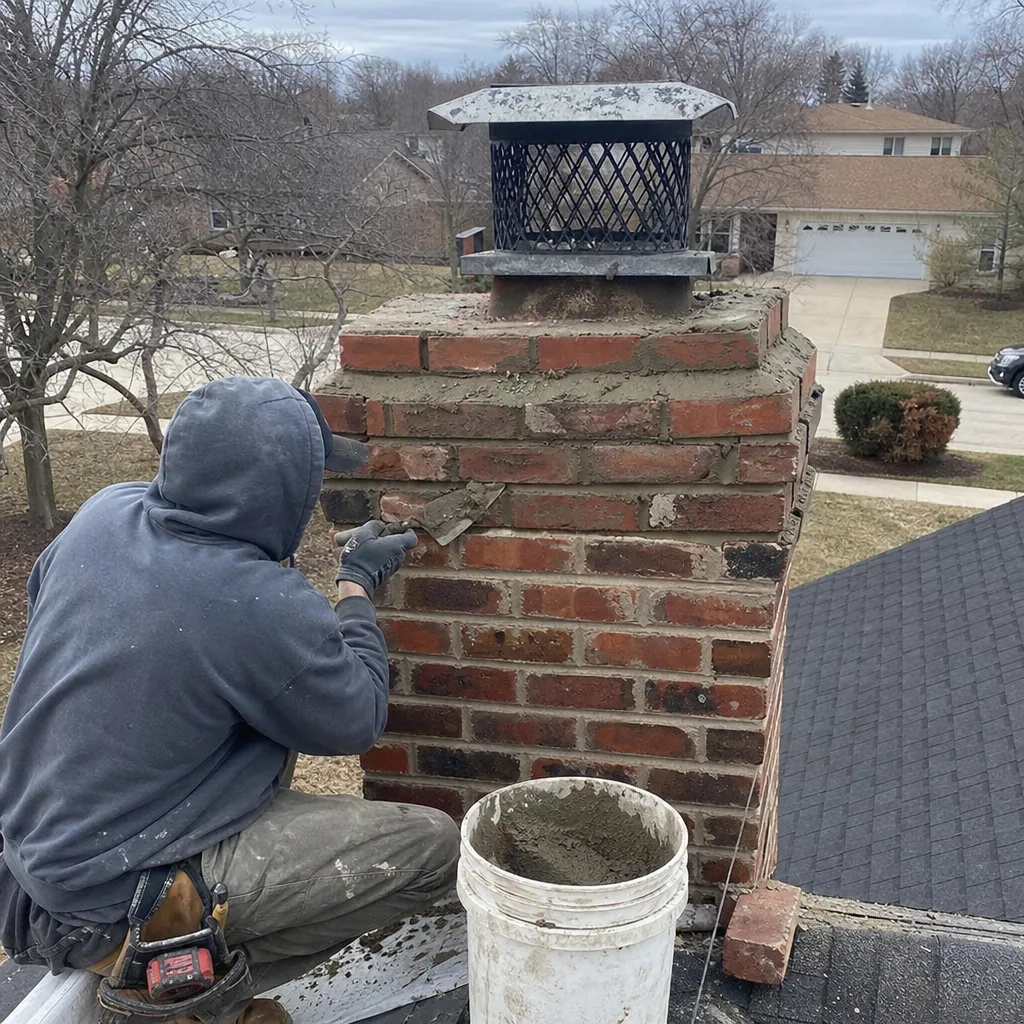
Call a chimney professional when your sweep identifies damage beyond routine cleaning scope, when you’re converting fuel types, when you’re preparing to sell, or when you’ve inherited a home with unknown chimney history. Our Complete Guide to Chimney Cleaning in Orland Park explains what to expect from the process. Specifically: if your Level 2 inspection shows cracked flue tiles, spalling brick with exposed mortar, a crowned separated from the chimney wash, or any liner gap visible on camera, you’re likely in permit territory and need a contractor who understands the documentation requirements.
Emberly Chimney Cleaners Orland Park offers free estimates in Orland Park and surrounding Will County areas. Every estimate includes permit requirement identification, written scope, and written price before any work begins. Call (708) 294-2571 to schedule. Our live phone support runs 24 hours a day, 7 days a week - you’ll speak to a person, not a voicemail system.
Frequently Asked Questions
No. Chimney cleaning, sweeping, and routine maintenance do not require permits in Orland Park, Will County, or anywhere in Illinois. See our Chimney Cleaning & Sweep Maintenance Checklist for Orland Park Homeowners for a full breakdown of routine care. Permits become necessary when the work involves structural repair, liner replacement, or appliance modification. If your sweep only removes creosote and debris, no permit is needed and no inspection is required.
Chimney permits in Orland Park typically range from $85 for a single-appliance liner replacement to $350 for a full chimney rebuild above the roofline, plus plan review fees for complex jobs. Will County fees run 10-15% lower. These are separate from contractor charges. At Emberly Chimney Cleaners, we include permit application preparation in our written scope at no additional cost when permits are required. Call (708) 294-2571 for an exact quote on your specific project - estimates are free.
Skipped permits surface during real estate transactions, insurance claims, or neighbor complaints. In Orland Park, the village can issue a stop-work order if work is discovered in progress without a permit, and retroactive permits carry a $200 late penalty plus the cost of opening completed work for inspection. Unpermitted work must be disclosed on Illinois real estate disclosure forms, and insurers may deny claims for damage originating in unpermitted chimney systems.
NFPA 211 recommends annual inspection for all chimneys, and Level 2 inspection - camera scan included - when a property changes hands, after a chimney fire, or before liner installation. In Orland Park, where freeze-thaw cycles and lake-effect moisture accelerate deterioration, we recommend annual Level 1 inspection with Level 2 every 3-5 years for active wood-burning systems, or before any repair work that might trigger permit requirements.
Yes, in Orland Park and Will County, a complete Level 2 inspection report typically satisfies the documentation requirement for standard chimney repair permits. The report must include video or photographic evidence of existing conditions, written measurements, and identification of the defect requiring repair. Building officials use this to verify that proposed work addresses a documented condition. For complex rebuilds, they may additionally require manufacturer specifications or engineered drawings.
Illinois insurers don’t universally mandate annual chimney inspections, but most policies include a “reasonable maintenance” clause. After a chimney fire, adjusters increasingly request inspection history. A documented Level 2 inspection record supports your claim that you maintained the system properly. Unpermitted modifications - like a liner installed without proper documentation - can void coverage for fire damage originating in the chimney. We recommend maintaining annual inspection records and ensuring all repair work was properly permitted.
Orland Park (incorporated) issues its own permits through the Village Building Division, requires contractor licensing, enforces aesthetic matching for visible work, and schedules separate rough and final inspections for most chimney jobs. Will County (unincorporated areas) uses the Land Use Department, has fewer aesthetic restrictions, typically requires only one inspection for liner work, and doesn’t mandate village-level contractor licensing beyond state requirements. Both use the same IRC and IFGC base codes. We verify jurisdiction by property PIN before preparing any permit application.
The Bottom Line
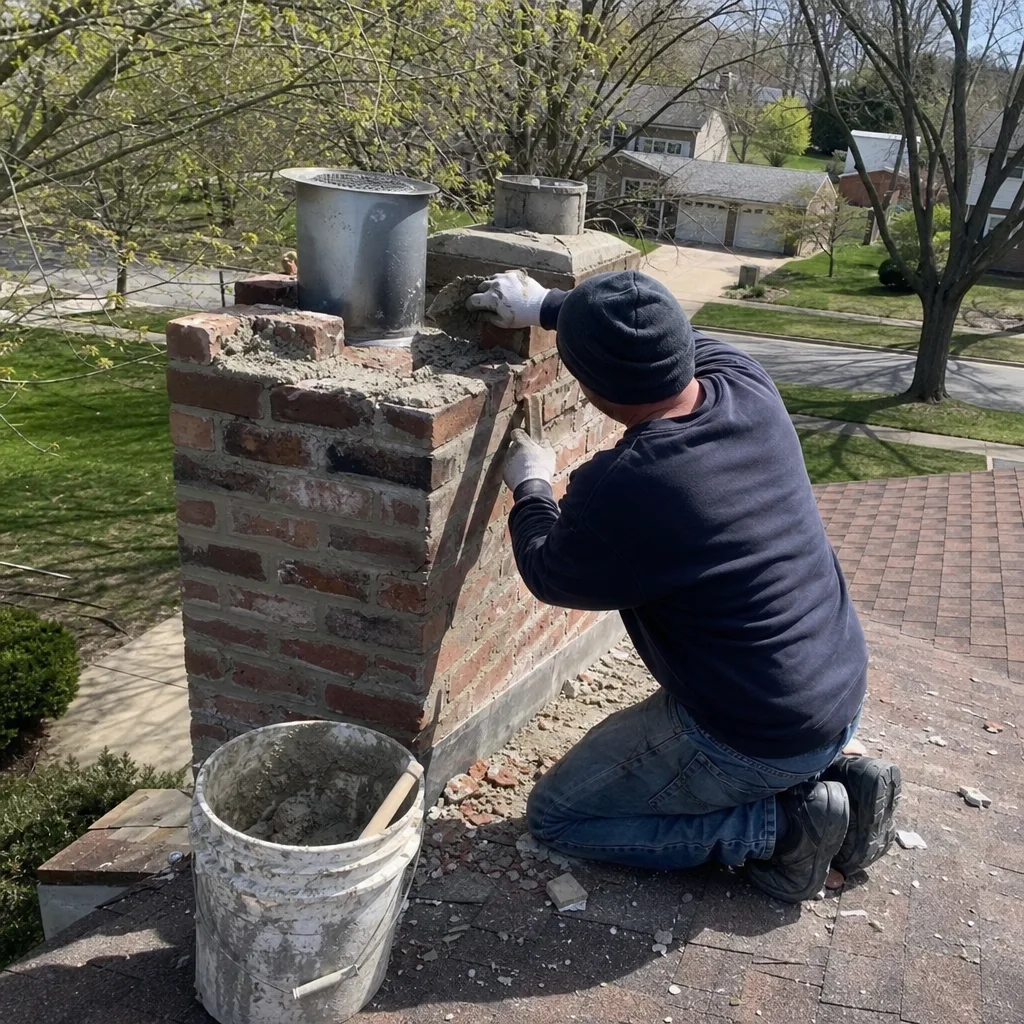
Chimney cleaning itself is permit-free in Illinois, but the repairs it commonly reveals are not. The critical step is knowing which category your work falls into, securing the right documentation before applying, and maintaining that paper trail for insurance and real estate purposes. In Orland Park and Will County, a Level 2 camera inspection report is the foundation - it converts a sweep’s finding into a permit-ready project, protects you from retroactive penalties, and provides the evidence base insurers and buyers expect. The cost of a permit is modest; the cost of missing one is not.
Written by Corrine Halstead, Owner at Emberly Chimney Cleaners Orland Park, serving Orland Park since 2009.