
Last updated September 22, 2026
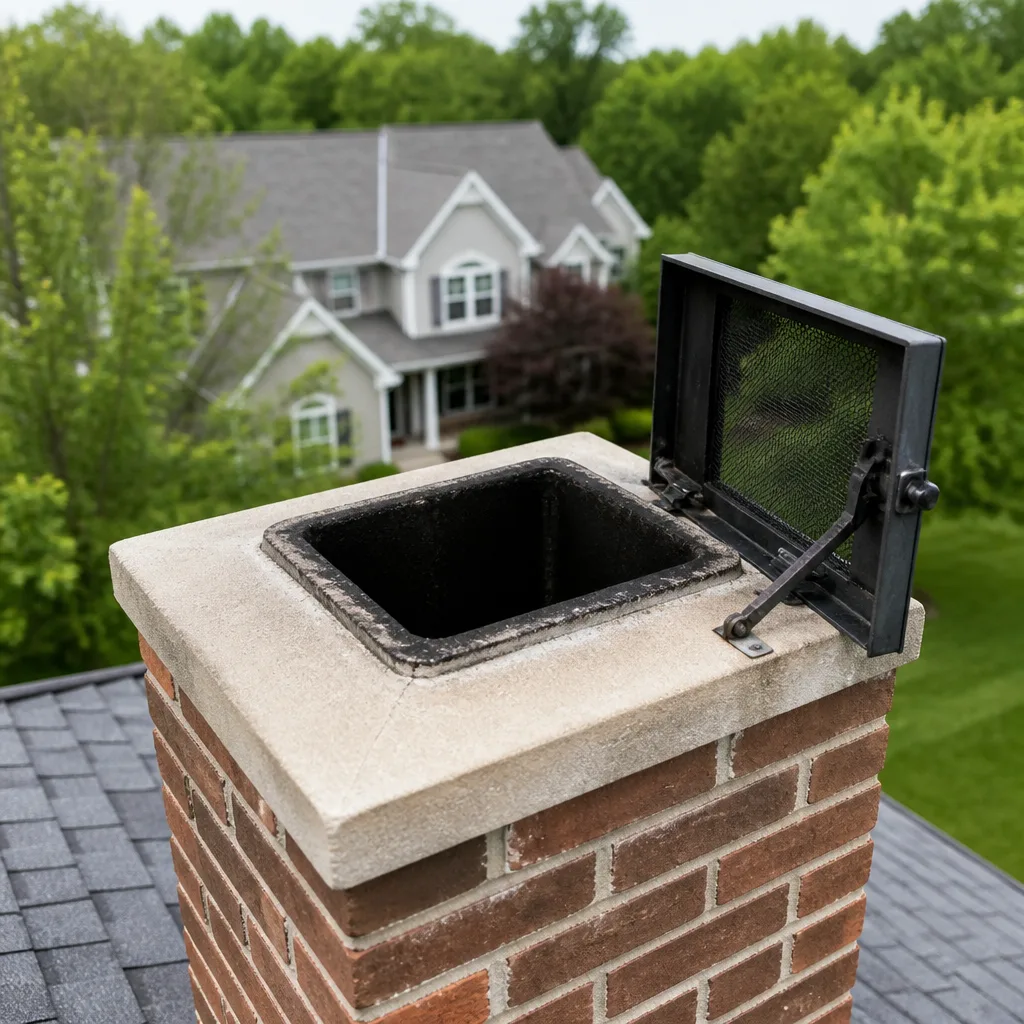
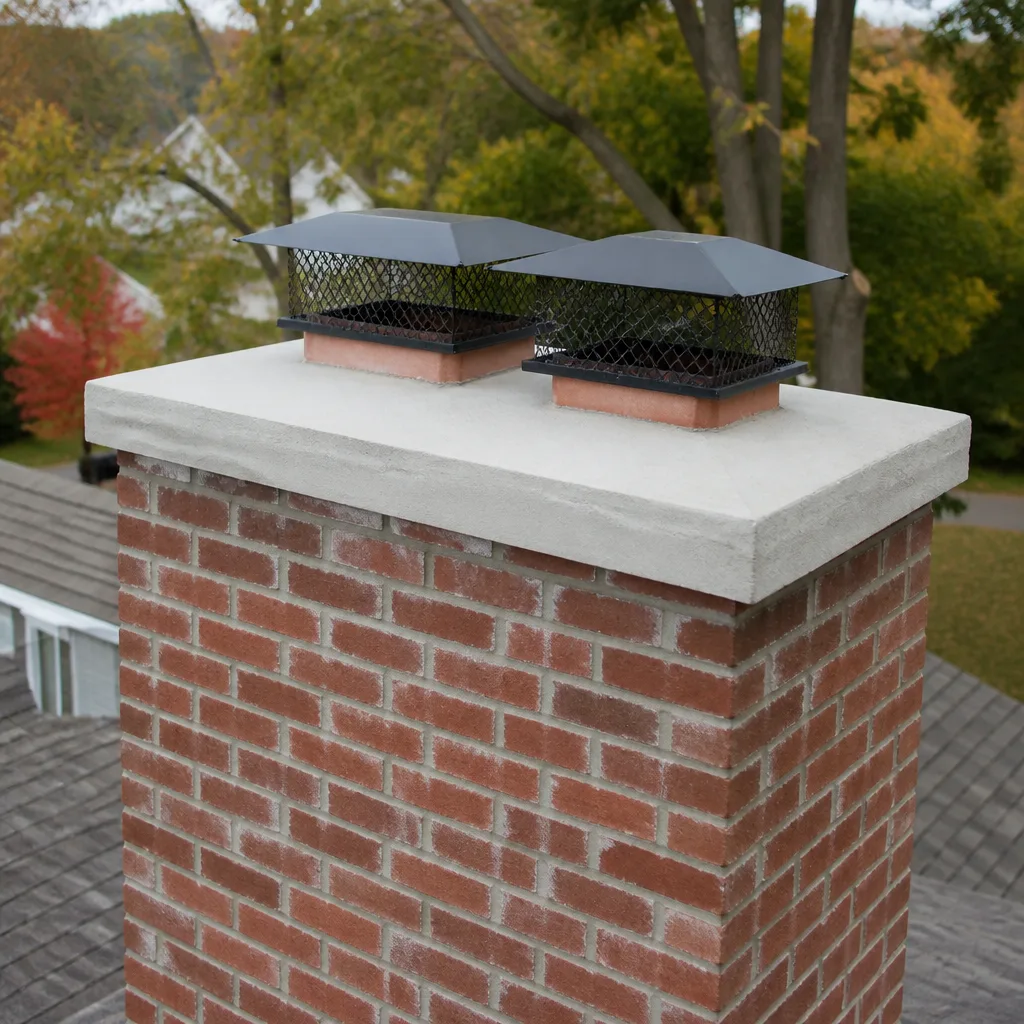
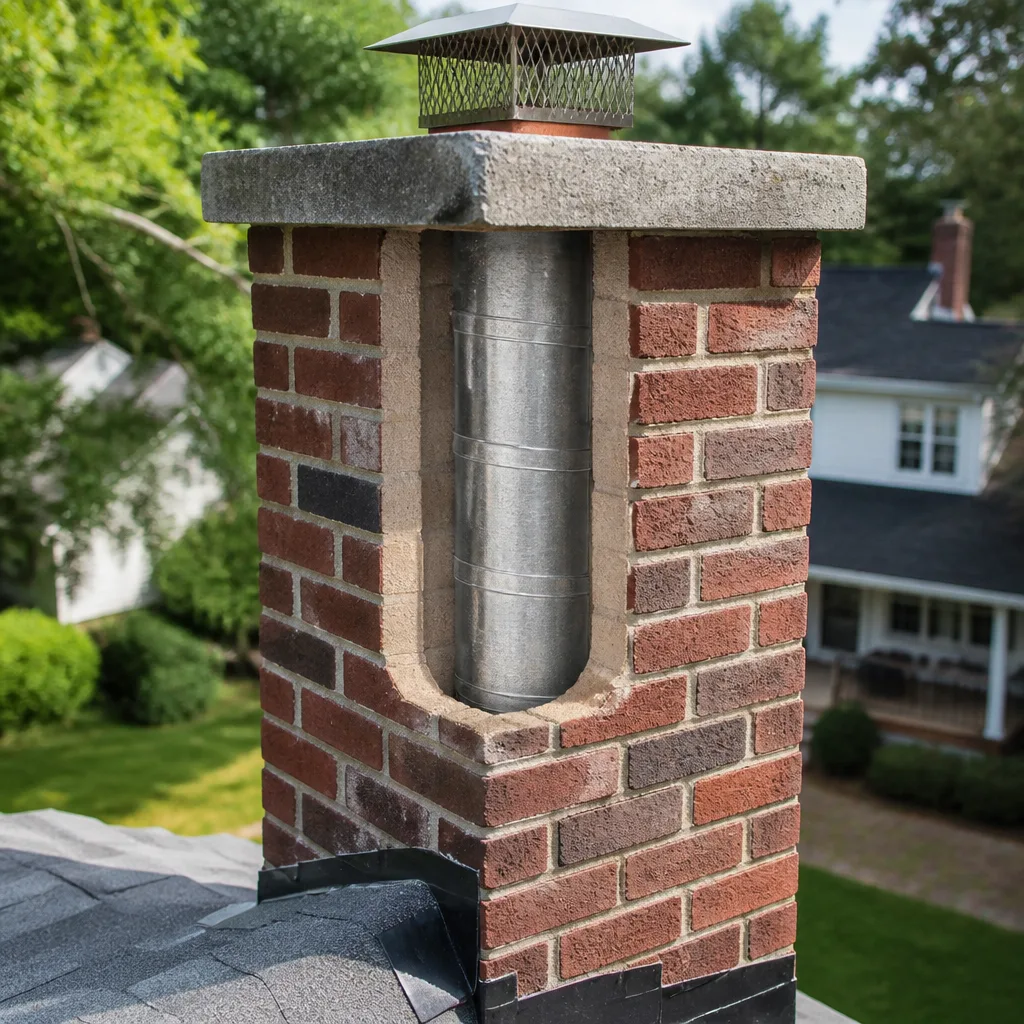
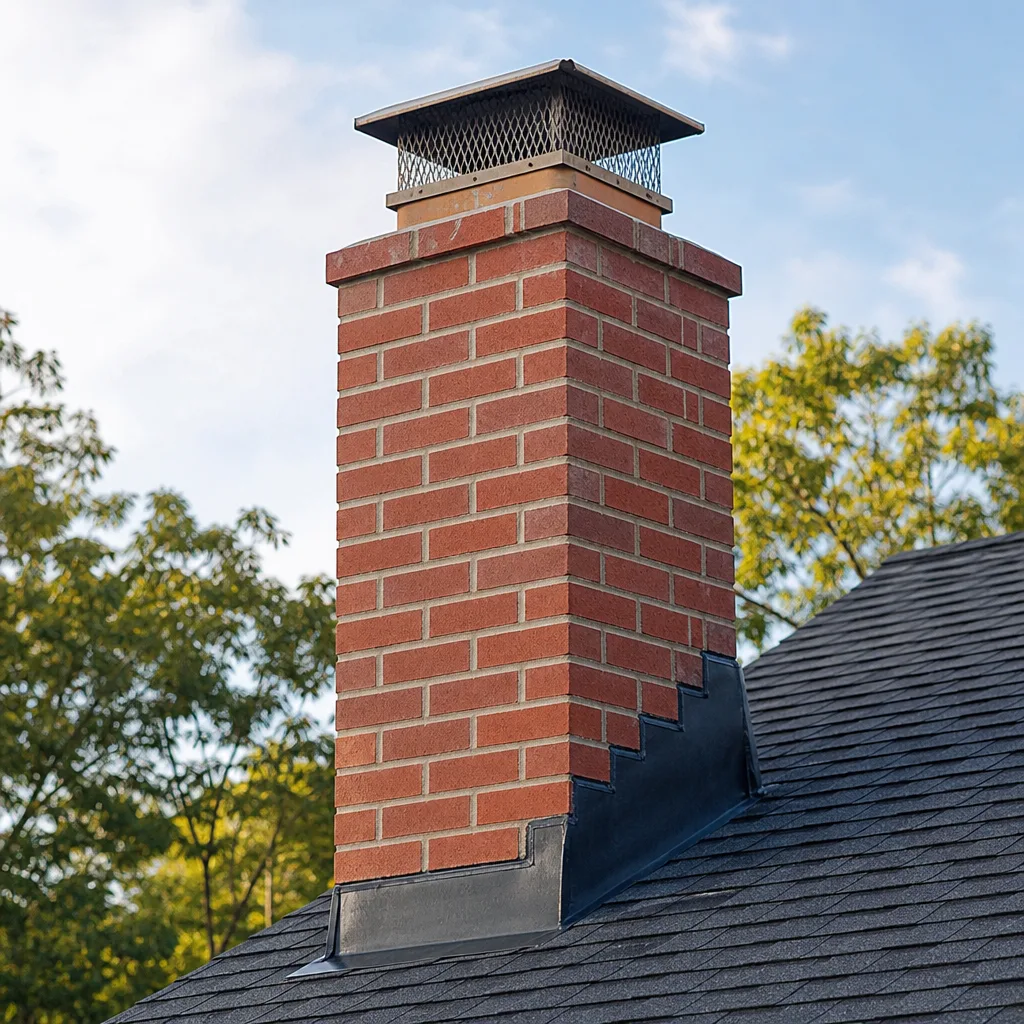
Level 1 sweep and inspection to the NFPA 211 annual standard - flue, crown, cap, and flashing checked and photographed
Chimney sweep logs do not sweep chimneys. They loosen some creosote - which then falls where a brush and vacuum still have to collect it.
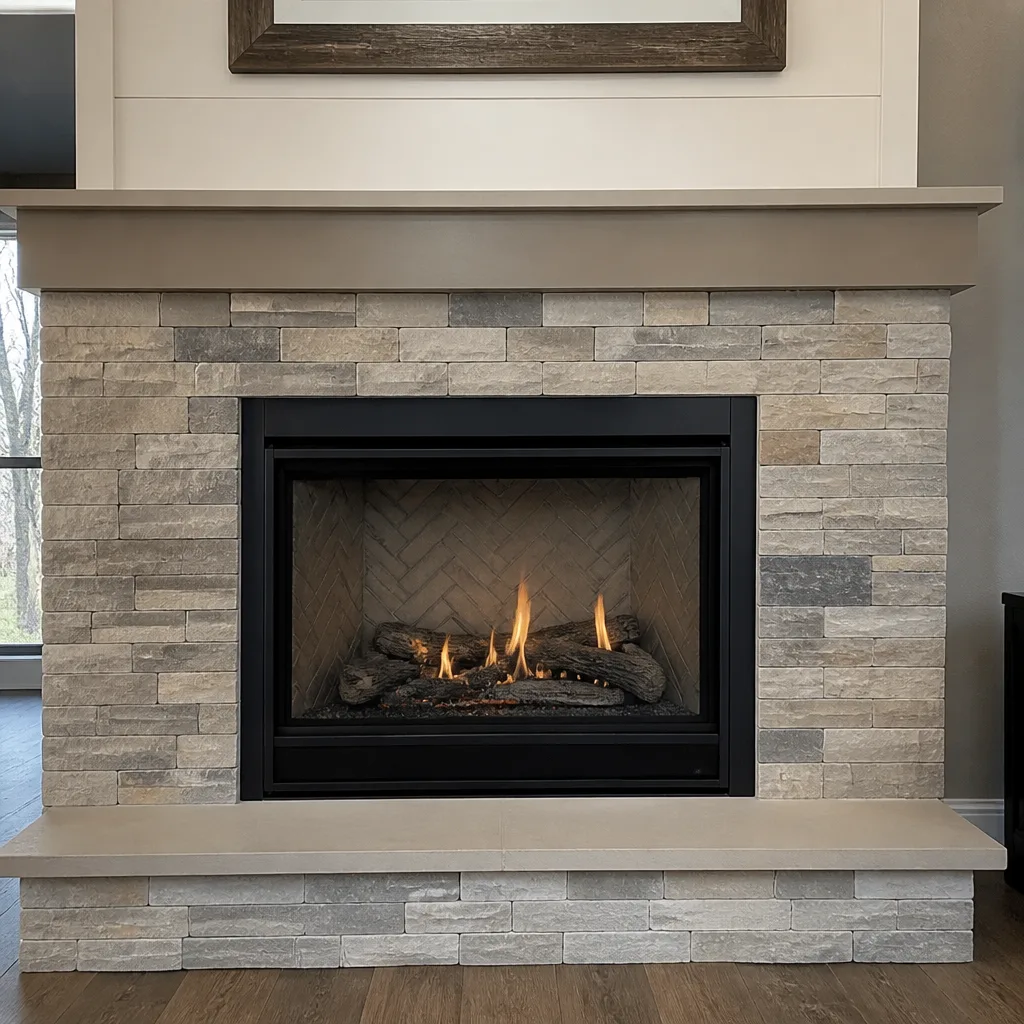
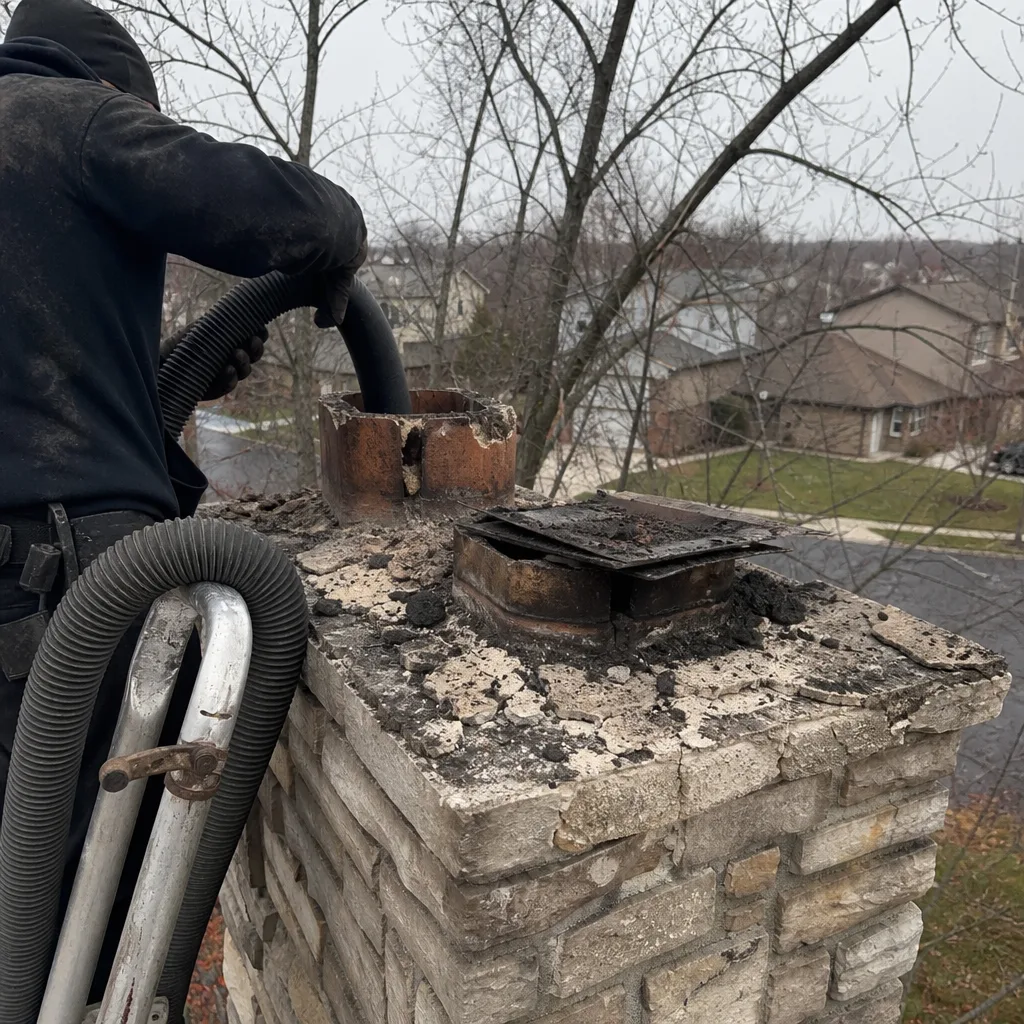 Before
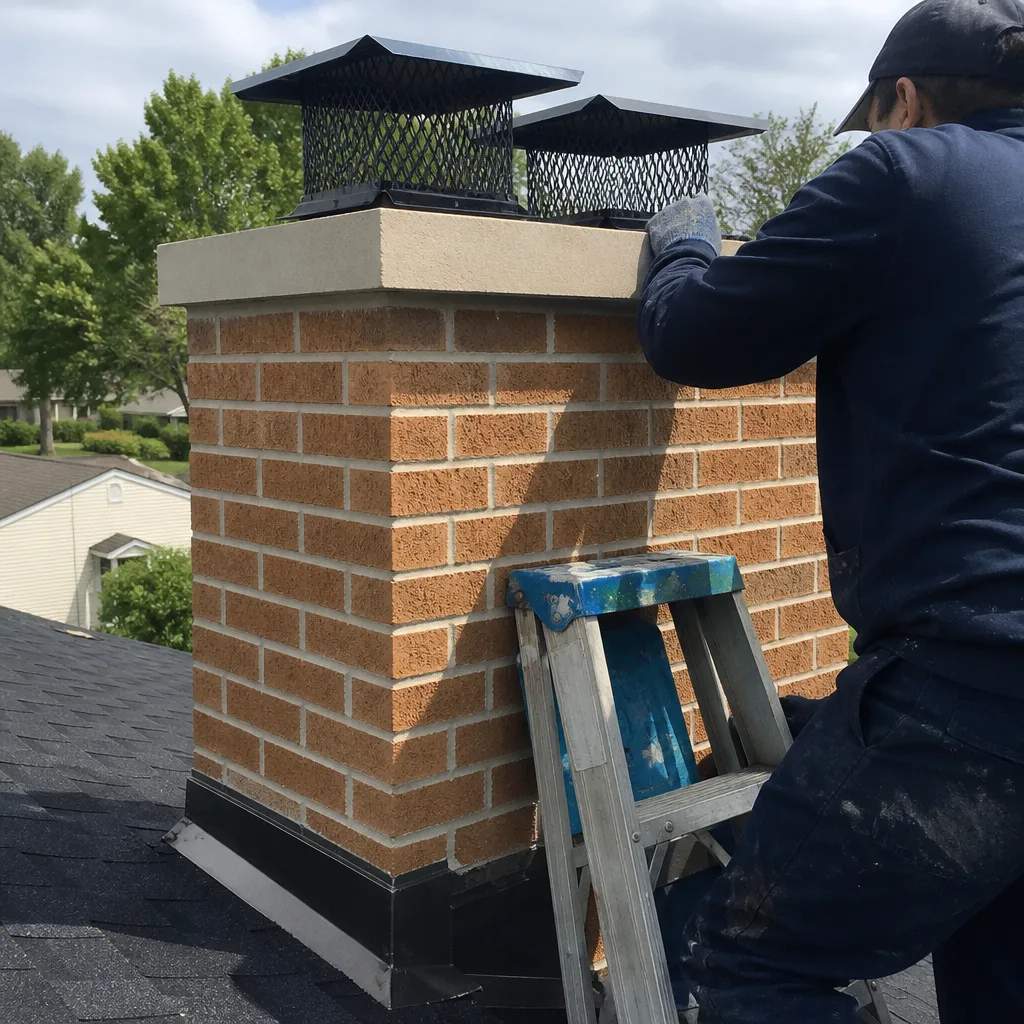 After
After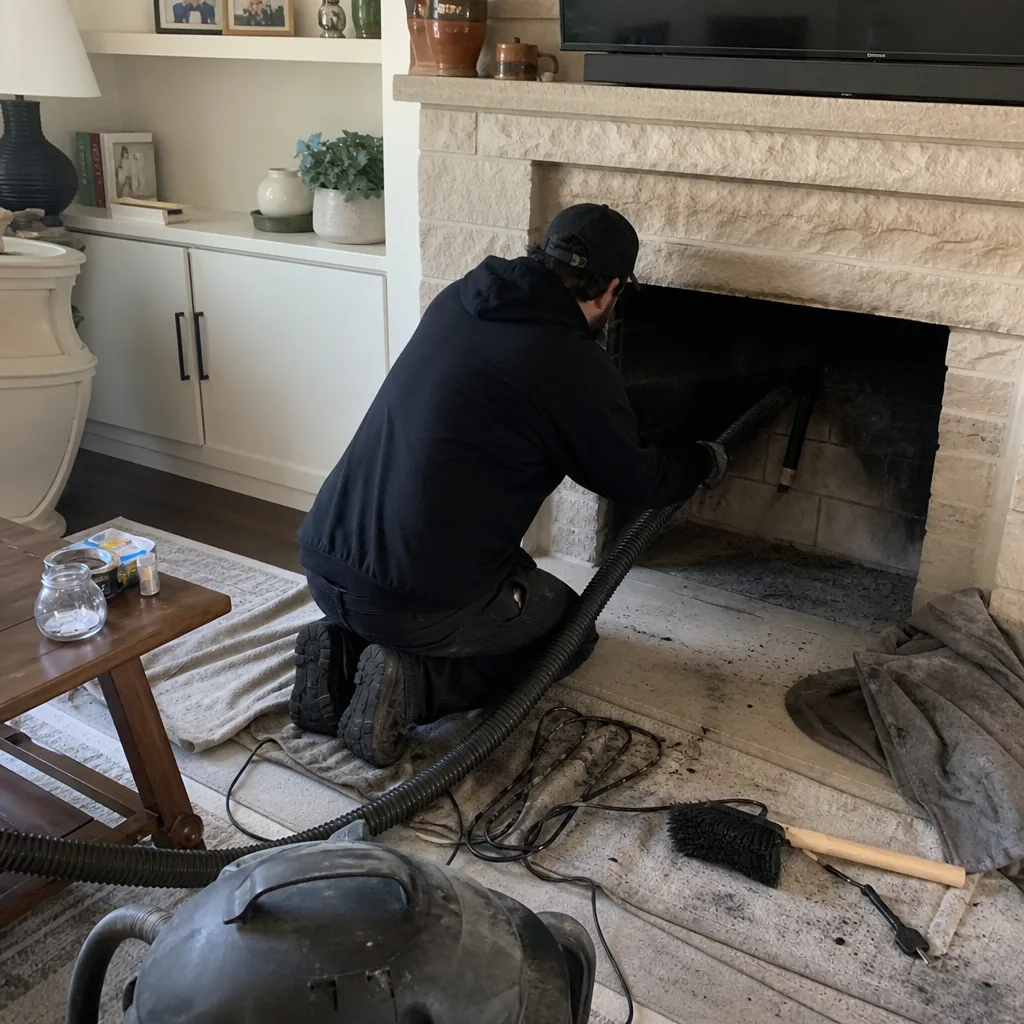 Before
 After
After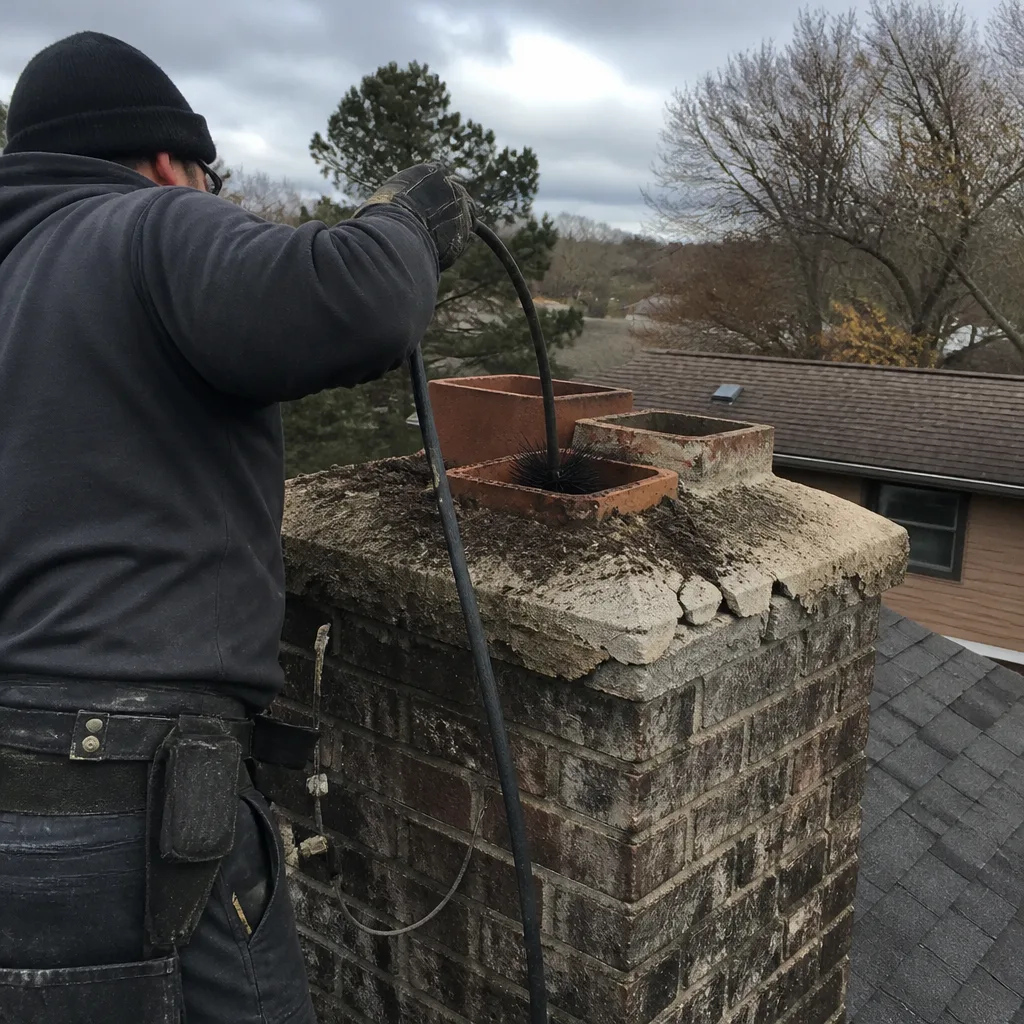 Before
 After
AfterChimney Sweep Maintenance Checklist for Orland Park Homeowners
A damper handle that moves freely can still hide a plate corroded shut - the mechanism lying to your hand is one of the most common false-pass moments we see when Orland Park homeowners check their own fireplaces. Since 2009, we’ve completed more than 38,000 chimney inspections across the southwest suburbs, and the gap between what looks fine from the hearth and what the camera reveals in the flue never stops surprising people. This guide - along with our The Complete Guide to Chimney Cleaning in Orland Park - gives you three distinct checklists organized by who does the work and when: the twelve things you can verify yourself each month during burn season, the six tasks that belong to a professional sweep at annual cleaning, and the four conditions that only a Level 2 camera scan can confirm. You’ll also learn which documents to keep after every visit, and why your insurance claim may depend on having them.
Quick Answer
Orland Park homeowners should run a 12-point monthly self-check during burn season, schedule professional Chimney Sweep annually, and obtain a Level 2 camera inspection with documented photo record before buying any home or after any chimney fire or weather event. The monthly checklist covers damper operation, firebox integrity, and visible exterior signs; the annual sweep removes creosote and verifies mechanical components; and the Level 2 scan confirms flue liner condition, hidden masonry damage, and proper clearances that no flashlight inspection can reach.
Table of Contents
- Monthly Homeowner Checklist: 12 Points During Burn Season
- What a Professional Sweep Does: The 6-Point Annual Service
- What Only a Level 2 Camera Scan Can Confirm
- Orland Park Exterior Warning Signs: Freeze-Thaw and Draft Reversal
- How to Log Burn Frequency for Data-Based Cleaning Intervals
- Roofline Checks vs. Internal Camera: Knowing the Difference
- The Written Record Checklist: Documents That Protect You
- Common Mistakes to Avoid
- When to Call a Professional
- Frequently Asked Questions
- The Bottom Line
BeforeAfterMonthly Homeowner Checklist: 12 Points During Burn Season
These twelve checks take about ten minutes and require no tools beyond a flashlight and your eyes. Run them monthly from October through March, or more frequently if you’re burning daily. The goal isn’t to replace professional inspection - it’s to catch changes early and give your sweep better information when they arrive.
- Operate the damper handle fully open and fully closed. Feel for grinding, catching, or a handle that spins without resistance. Then shine your flashlight up the flue and verify the plate actually moves - we’ve found handles that rotate freely while the plate remains frozen by rust or creosote buildup.
- Inspect the firebox back wall and floor for new cracks or spalling. Spalling is when the brick face flakes off in curved chips, usually from moisture freezing inside the masonry. In Orland Park, this accelerates after January cold snaps when the freeze-thaw cycle peaks.
- Check for white haze on the firebox back wall. This powdery deposit indicates draft reversal - exhaust gases not rising fast enough, often because the chimney is too cold or the house is too tight. Orland Park’s 1970s-1990s split-levels are particularly prone to this when basement fireplaces compete with upstairs HVAC returns.
- Verify the smoke shelf is clear of debris. Shine your light up past the damper. You should see a flat ledge, not a pile of soot, bird nesting material, or fallen brick fragments. Any obstruction here redirects smoke into the room.
- Test fireplace doors or screens for secure closure. Gaps allow embers onto the hearth extension. Check that glass doors seal when latched and that mesh screens slide without binding.
- Examine the hearth extension for cracking or discoloration. The non-combustible surface in front of your fireplace should be intact. New staining suggests rolling logs or embers have reached farther than designed.
- Confirm the chimney cap is present and visually intact from ground level. You don’t need binoculars - just verify you can see metal or mesh above the flue termination. Missing caps in Orland Park invite starlings and squirrels from the Cook County forest preserves, especially in neighborhoods backing onto Tinley Creek or Orland Grassland.
- Scan the exterior brick for efflorescence. White, chalky streaks on the chimney face mean water is moving through the masonry, dissolving salts, and depositing them on the surface. In Orland Park’s clay-heavy soils and freeze-thaw climate, efflorescence often precedes serious spalling by one to two seasons.
- Check for vegetation or staining at the chimney base. Green moss, dark streaks, or softened mortar at the foundation line indicate chronic moisture intrusion, possibly from a failed chimney crown or improper flashing.
- Monitor burn quality and smoke behavior. Smoke should rise cleanly into the flue. If it spills into the room at startup, or if you’re getting more smoke smell than usual, log it. Seasoned hardwood in Orland Park typically burns with thin, nearly invisible exhaust after the first five minutes.
- Listen for unusual sounds during high wind. Whistling, rattling, or metallic clanging from the chimney top suggests cap damage, loose flashing, or liner separation - all worth noting for your sweep.
- Document everything with dated photos. Your phone camera creates a time-stamped record. Compare month to month. Changes you can’t quite remember noticing are obvious in side-by-side images.
If three or more of these checks reveal new or worsening conditions, move your annual sweep earlier in the season. Two or fewer, and you’re likely fine until your scheduled appointment.
What a Professional Sweep Does: The 6-Point Annual Service
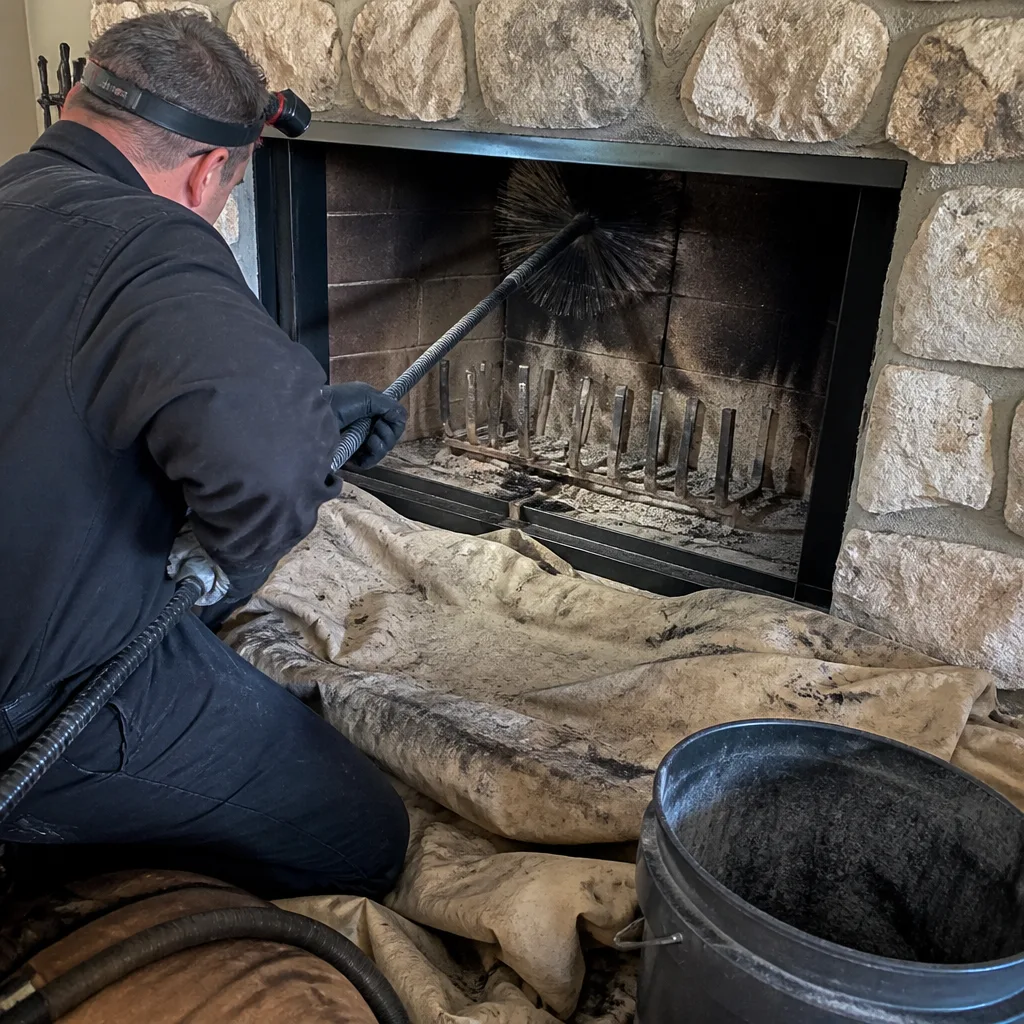
Professional chimney sweep in Orland Park follows a defined protocol that goes far beyond brushing soot. At Chimney Sweep in Orland Park, our technicians arrive with a written scope and written price before any work begins - Clause 1 of the Haven Standard. Here’s what happens during the annual service that no homeowner can replicate with a hardware-store brush.
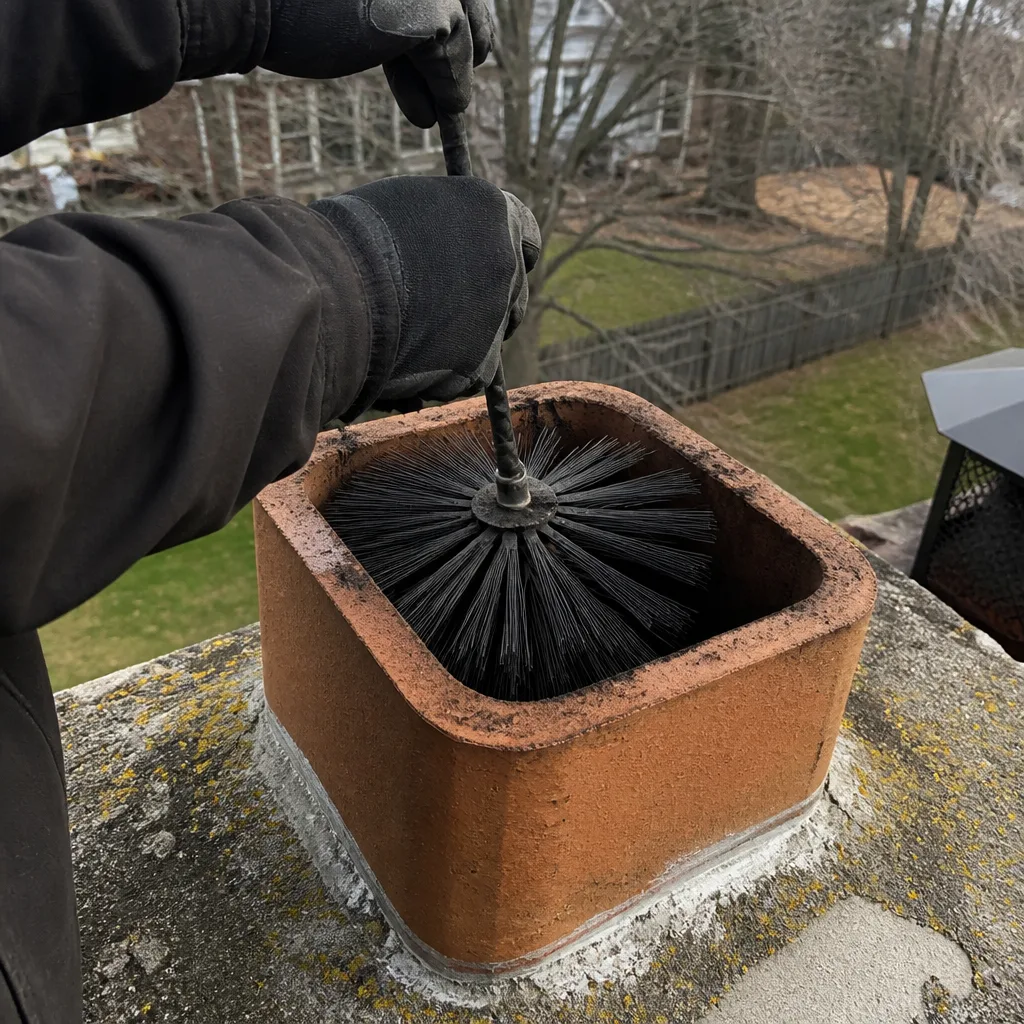
- Mechanical rotary cleaning of the entire flue. We use powered whips and polypropylene brushes sized to your flue diameter, not the one-size-fits-all tools sold retail. This removes Class I and II creosote - the flaky and tar-like deposits that form during normal wood burning. Class III glazed creosote, which looks like black glass, requires chemical treatment and cannot be brushed out in a standard sweep.
- Smoke chamber and firebox vacuuming. The smoke chamber - the area above the damper and below the flue - collects falling debris and is inaccessible to homeowner tools. We HEPA-vacuum this space and the firebox floor, checking for mortar loss and exposed structural components.
- Component inspection: damper, doors, grate, and hardware. We remove, clean, and inspect the damper assembly for warping, corrosion, and proper seat. Fireplace doors come off for gasket inspection. Worn gaskets get replaced from our stock - we carry materials from Famco and Olympia Chimney specifically for common Orland Park installations.
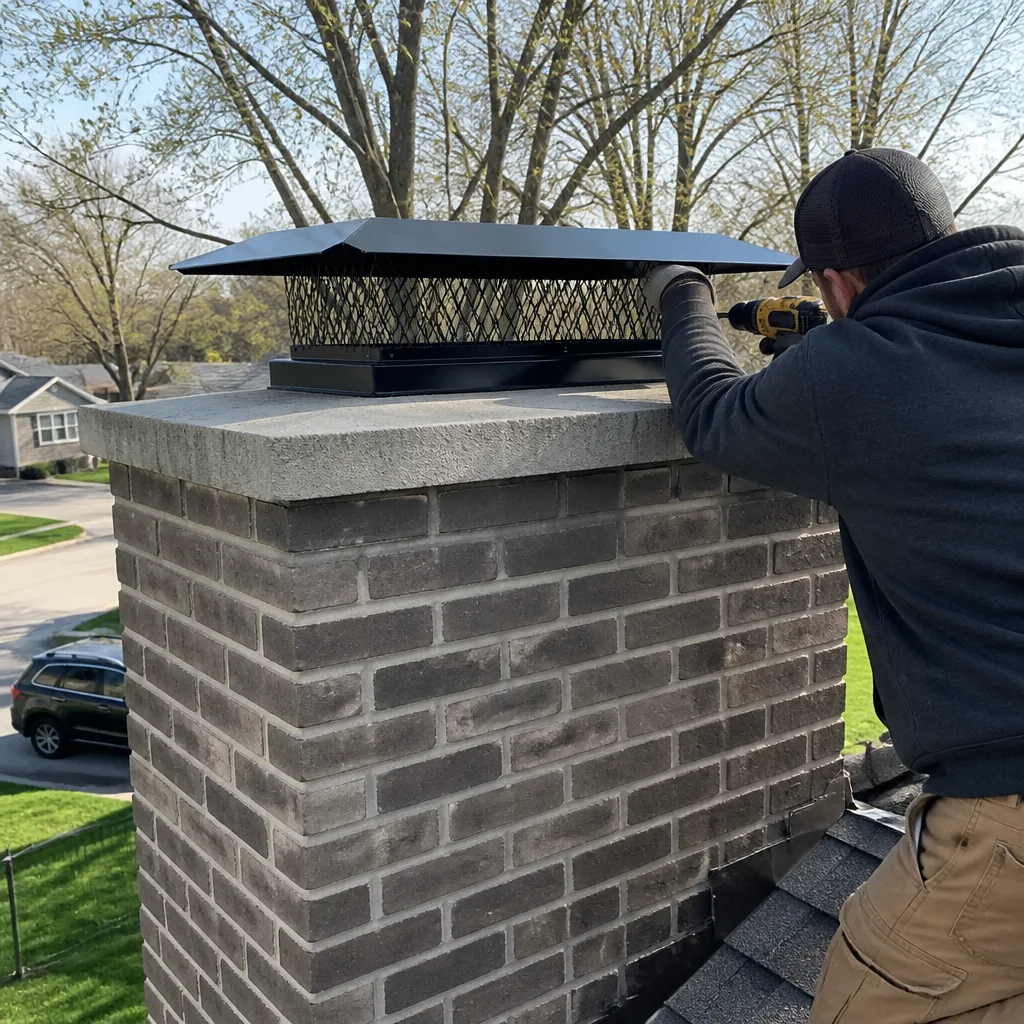
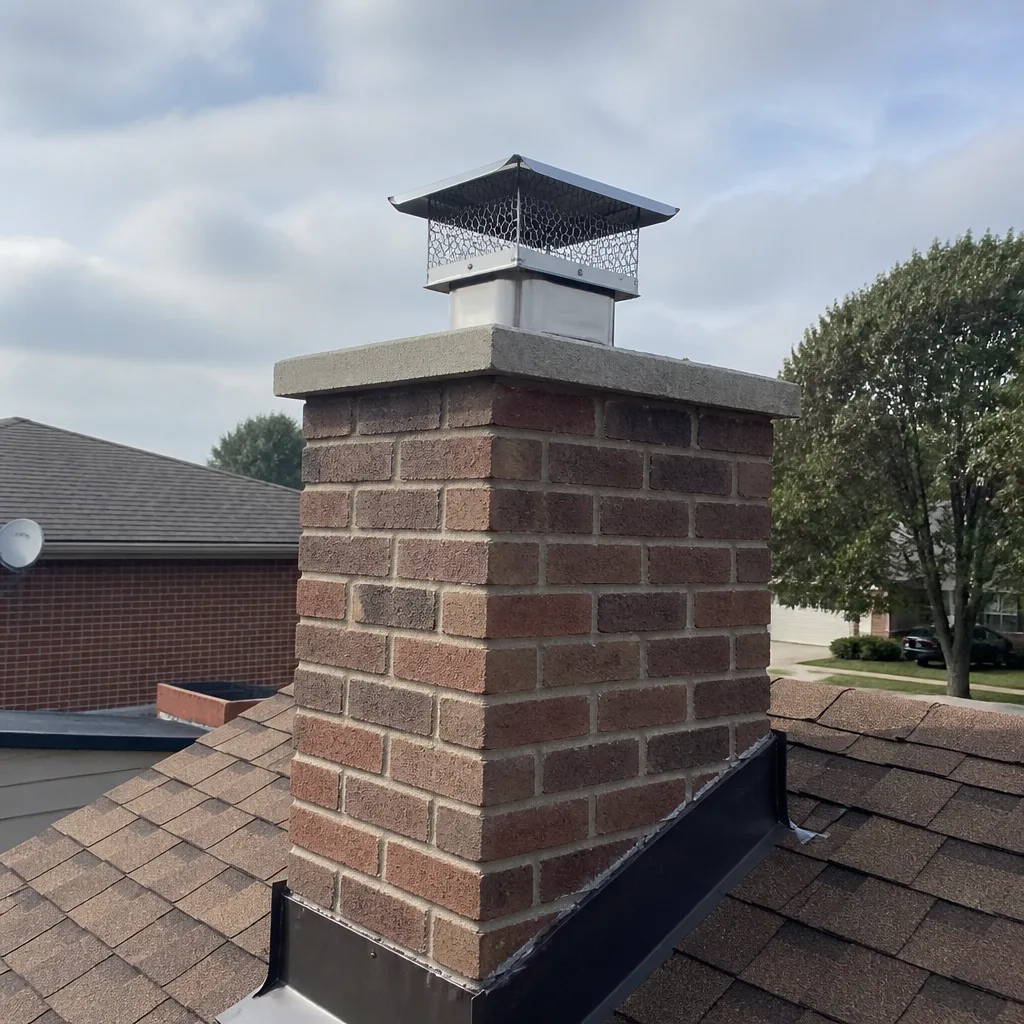
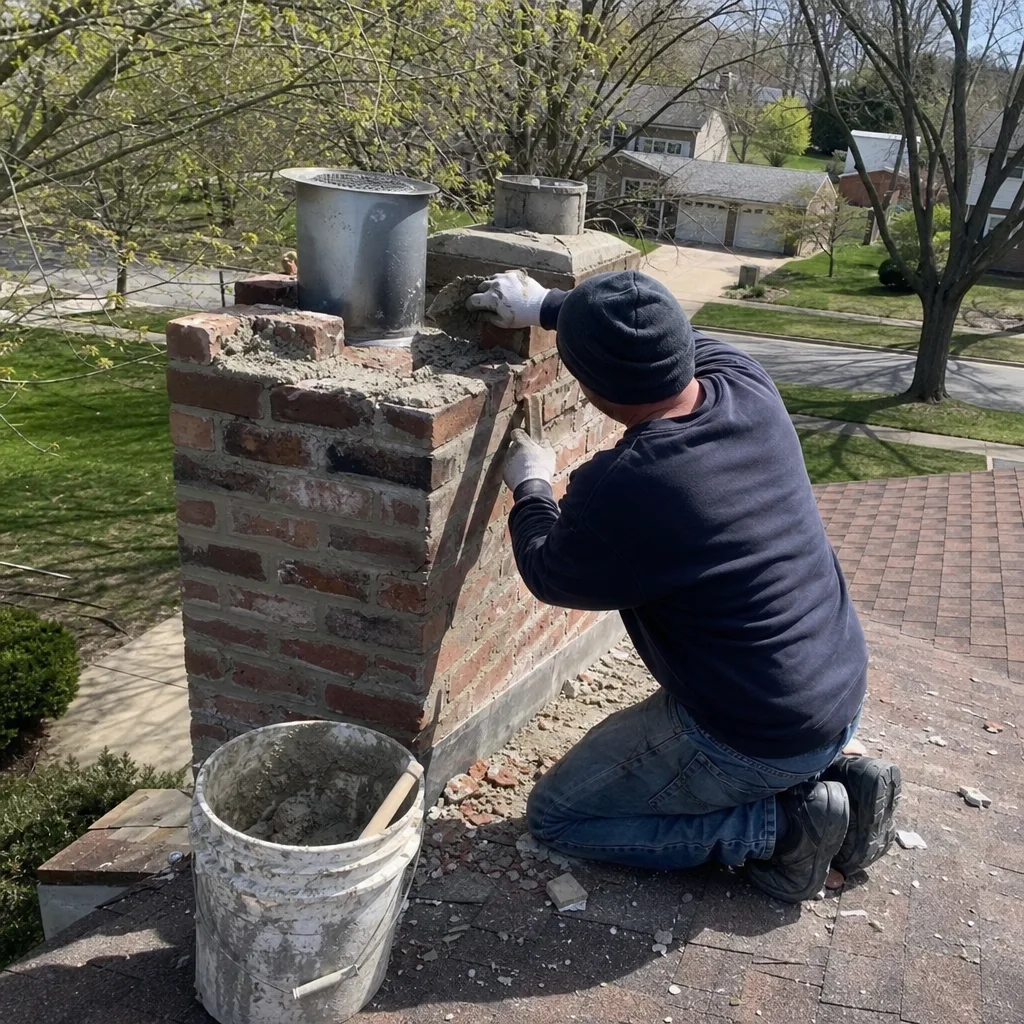
- Exterior crown, cap, and flashing assessment from the roofline. Our technicians photograph the crown for cracks, the cap for corrosion or mesh damage, and the flashing for separation or seal failure. We do not guess at conditions from the ground - every annual sweep includes roofline documentation.
- Clearance verification to combustibles. Using the manufacturer’s specifications for your fireplace insert or stove, we measure clearances to framing, mantel, and surround materials. Orland Park’s 1980s-2000s construction often features built-ins that were compliant when installed but fail current NFPA 211 standards after homeowner modifications.
- Written condition report with photo documentation. Before we leave, you receive a written summary of findings, a photo record of accessible areas, and - if any repair is recommended - a separate written estimate with scope and price. Clause 4 of the Haven Standard requires this documented record on every job; we’ve delivered it on all 38,000+ visits since 2009.
The annual sweep is also when we determine your actual cleaning interval. A fireplace used two evenings per week from November through March accumulates creosote differently than one burned daily for whole-house heating. Your burn log - detailed in the next section - lets us give you a data-based recommendation rather than a calendar guess.
What Only a Level 2 Camera Scan Can Confirm
NFPA 211 defines three inspection levels. Level 1 is visual, from accessible areas, with no tools. Level 2 adds camera inspection of the flue interior, attic, and crawl space access where available. Level 3 involves demolition of building materials. For Orland Park homeowners, Level 2 is the standard that matters - and it’s the standard we established as default practice in 2009, years before insurers or regulators began requesting documentation.
Four conditions are invisible without a camera in the flue:
- Flue liner integrity: Clay tile liners crack from thermal shock, often diagonally at joints. Stainless steel liners separate at seams or corrode from the inside. A flashlight from below shows you the first three feet; the camera shows you all fifteen to twenty-five feet, plus the condition of every mortar joint between tiles.
- Hidden masonry damage: Spalling brick inside the flue, not visible from the firebox or roofline, reduces flue diameter and creates turbulence that accelerates creosote buildup. We’ve found softball-sized voids behind apparently intact firebrick in Orland Park homes near 143rd and LaGrange.
- Proper clearances and construction: The camera verifies that the chimney was built to specification - liner centered in the flue, proper air space, no contact with combustible framing. Orland Park’s rapid 1990s-2000s expansion included many tract homes where speed of construction occasionally compromised this detail.
- Evidence of previous chimney fire: Thermal cracking, warped metal components, and discolored mortar indicate past events the current homeowner may not know about. This finding directly affects insurance coverage and future burn safety.
We recommend a Level 2 scan before purchasing any Orland Park home, after any chimney fire or suspected fire event, after any seismic or severe weather impact, and upon installation of a new appliance or liner. Emberly Chimney Cleaners Orland Park home services include this as standard on every initial visit - not as an upsell, but as the baseline of competent inspection.
Orland Park Exterior Warning Signs: Freeze-Thaw and Draft Reversal
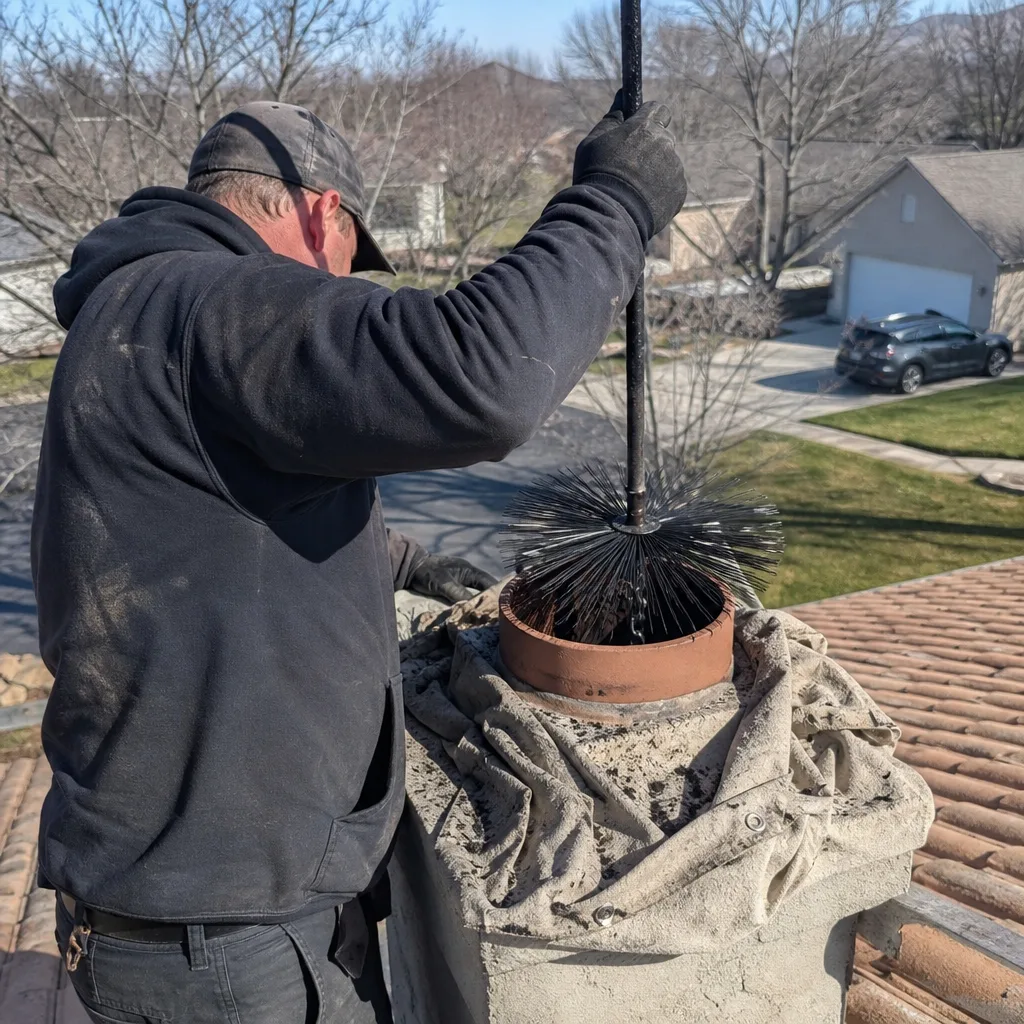
Orland Park’s climate sits at the intersection of lake-effect moisture and continental temperature swings. January lows average 14°F; July highs reach 84°F. That 70-degree annual spread, concentrated into six months of freeze-thaw cycling, punishes masonry chimneys specifically. Two exterior indicators deserve particular attention because they predict problems before they become emergencies.
Efflorescence on the brick face appears as white, chalky streaking - sometimes subtle, sometimes dramatic enough to read from the sidewalk. It’s not merely cosmetic. Water entering the masonry dissolves soluble salts, then deposits them on the surface as evaporation occurs. In Orland Park, we see this most often on north- and east-facing chimney faces where sun exposure is minimal and drying is slow. The underlying moisture that drives efflorescence also drives freeze-thaw spalling: water expands 9% when it freezes, and each cycle flakes off another layer of brick face. By the time spalling is obvious, efflorescence has usually been present for one to two heating seasons.
White haze on the firebox back wall is the interior counterpart to exterior efflorescence, but its meaning is different. This deposit indicates combustion gases condensing on cool surfaces because draft is insufficient. Orland Park’s tighter-built homes from the 1990s onward - especially ranches and two-stories with direct-vent furnaces competing for combustion air - frequently show this pattern. The haze itself is cleanable, but the draft problem behind it can cause carbon monoxide spillage or accelerated creosote formation. If you see it growing month to month, your chimney isn’t venting properly regardless of what the damper handle feels like. See our Chimney Cleaning Warning Signs: A Orland Park Homeowner’s Reference Guide for additional red flags.
Both signs should be photographed and shown to your sweep. Neither requires emergency response, but both change the priority and scope of your next service.
How to Log Burn Frequency for Data-Based Cleaning Intervals
The old rule - “sweep annually” - is a simplification that wastes money for occasional users and endangers frequent ones. NFPA 211 actually recommends cleaning when creosote reaches 1/8 inch thickness, which correlates to burn volume, not calendar pages. A data-based interval requires only a simple log.
Here’s the format we recommend to Orland Park customers:
- Date of each fire
- Approximate duration (under 2 hours / 2-4 hours / over 4 hours)
- Fuel type (seasoned hardwood, manufactured log, pellet, other)
- Any smoke spillage, unusual odor, or draft issue
Track one heating season. Then calculate your “cord-equivalent” burn: roughly 20 short fires equal one cord of wood in creosote production. Most Orland Park homeowners burning two to three times weekly from November through March accumulate between one and two cord-equivalents. At that rate, annual sweeping is appropriate. Daily burners may need mid-season cleaning; holiday-only users can often extend to eighteen or twenty-four months.
Bring your log to your appointment. It takes two minutes to review and transforms our recommendation from guesswork to arithmetic. We’ve had Orland Park customers in the Brookside Glen area extend their interval safely based on logged data, and we’ve had daily burners in the older homes near 159th and Harlem discover they needed cleaning twice yearly. The log removes the ambiguity.
Roofline Checks vs. Internal Camera: Knowing the Difference
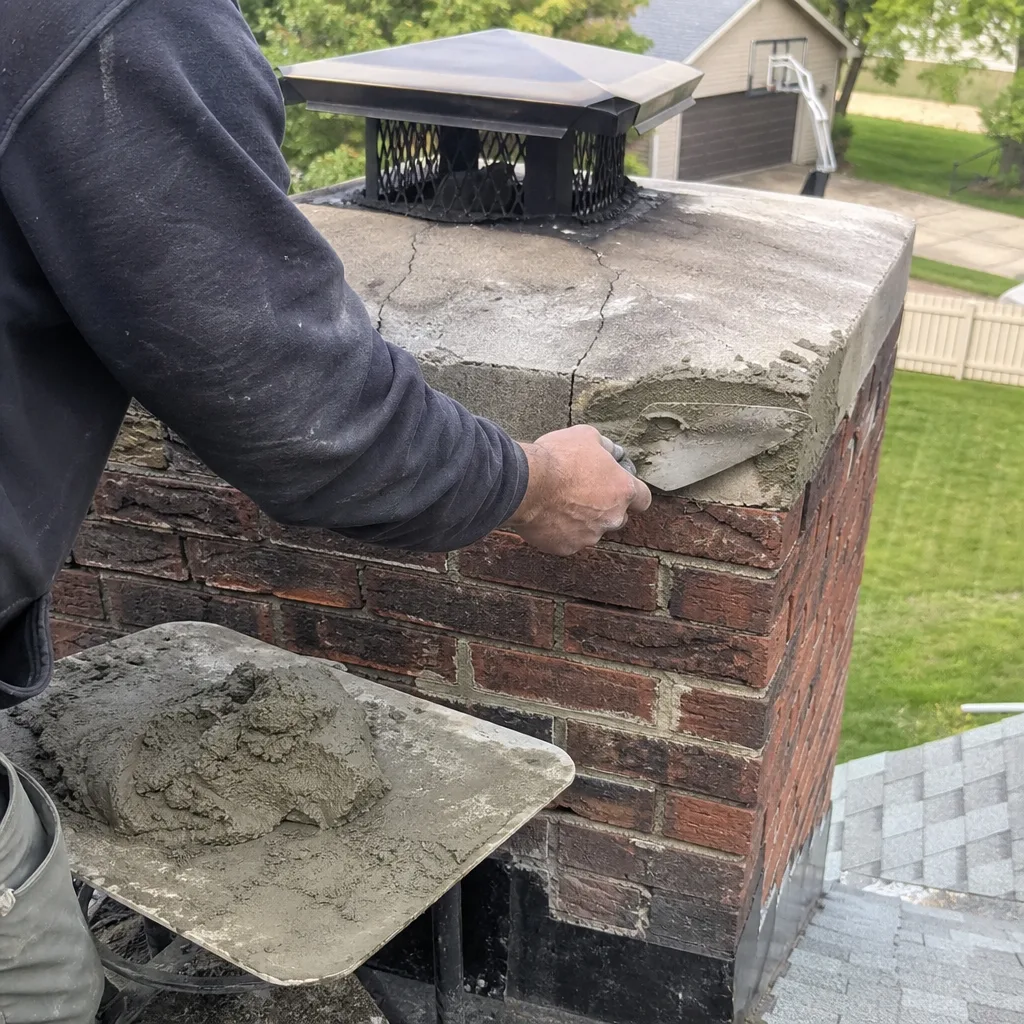
Some chimney conditions can be assessed from the roofline during annual service. Others require internal camera access. Understanding which is which prevents false confidence and unnecessary expense.
Roofline-accessible checks: Cap presence and mesh condition; crown integrity (cracking, wash slope, overhang); flashing seal and counter-flashing engagement; exterior brick spalling or mortar loss; liner top termination and seal; spark arrestor condition. Our technicians photograph all of these from the roof during every annual sweep, and the images become part of your Clause 4 documented record.
Camera-required checks: Liner joint separation or cracking below the flue top; smoke chamber mortar condition; damper plate corrosion or misalignment hidden by the frame; accumulation depth and type classification of creosote; evidence of animal entry or nesting below the cap; proper liner sizing and centering through the full flue length; hidden masonry damage behind the firebox.
The distinction matters for Orland Park homeowners because roofline work is weather-dependent and can sometimes be scheduled separately. Camera work requires interior access and is always part of a full service appointment. If you’re considering a “cap and crown only” call because of visible exterior damage, understand that the underlying liner condition remains unverified until the camera goes down.
Materials matter here too. We source cap and crown repair materials from DuraFlex, Copperfield, and Olympia Chimney through Haven’s buying network - not because the brand names impress anyone, but because specification-grade materials last through Orland Park’s freeze-thaw cycles while box-store alternatives often fail within three seasons. The difference is visible in the warranty: our crown repairs carry the 365-Day Done Right Promise because we trust the materials and the application.
The Written Record Checklist: Documents That Protect You
After every professional visit, you should walk away with specific documentation. Not because paperwork is interesting, but because your insurance company, home inspector, or real estate attorney may request it - and because “we cleaned it last year” without proof is indistinguishable from “we never cleaned it.”
Here’s what belongs in your homeowner file:
- Written scope of work. Exactly what was done: sweep, inspection, component service, repairs. Dated, with company identification and technician name.
- Written price and payment record. What you paid, when, and for what. Clause 1 of the Haven Standard requires this before work starts; you should retain your copy.
- Photo documentation. Images of accessible areas before and after service, plus any findings. Clause 4 of the Haven Standard mandates this as standard, not optional. Digital delivery is fine; printed is fine; missing is not.
- Condition assessment and recommendations. A plain-language summary of what was found, what was done, and what - if anything - is recommended with priority level and rationale.
- Written warranty or guarantee. Our 365-Day Done Right Promise covers workmanship and materials; other companies vary. Know what you’re entitled to.
- NFPA 211 compliance notation. If a Level 2 inspection was performed, the documentation should state this explicitly. Some insurers now require Level 2 documentation for wood-burning appliance coverage in Orland Park and surrounding Cook County jurisdictions.
Keep these records for the life of your homeownership plus seven years. We’ve had Orland Park customers successfully dispute insurance claim denials because their documented maintenance history proved due diligence. We’ve also seen claims reduced when documentation was verbal or missing.
For Chimney Repair in Orland Park work, the record is equally critical. A written estimate for crown rebuild, liner replacement, or masonry repair becomes your baseline for comparing future quotes - and activates our Free Second Opinion offer on any competitor’s written estimate.
Common Mistakes to Avoid
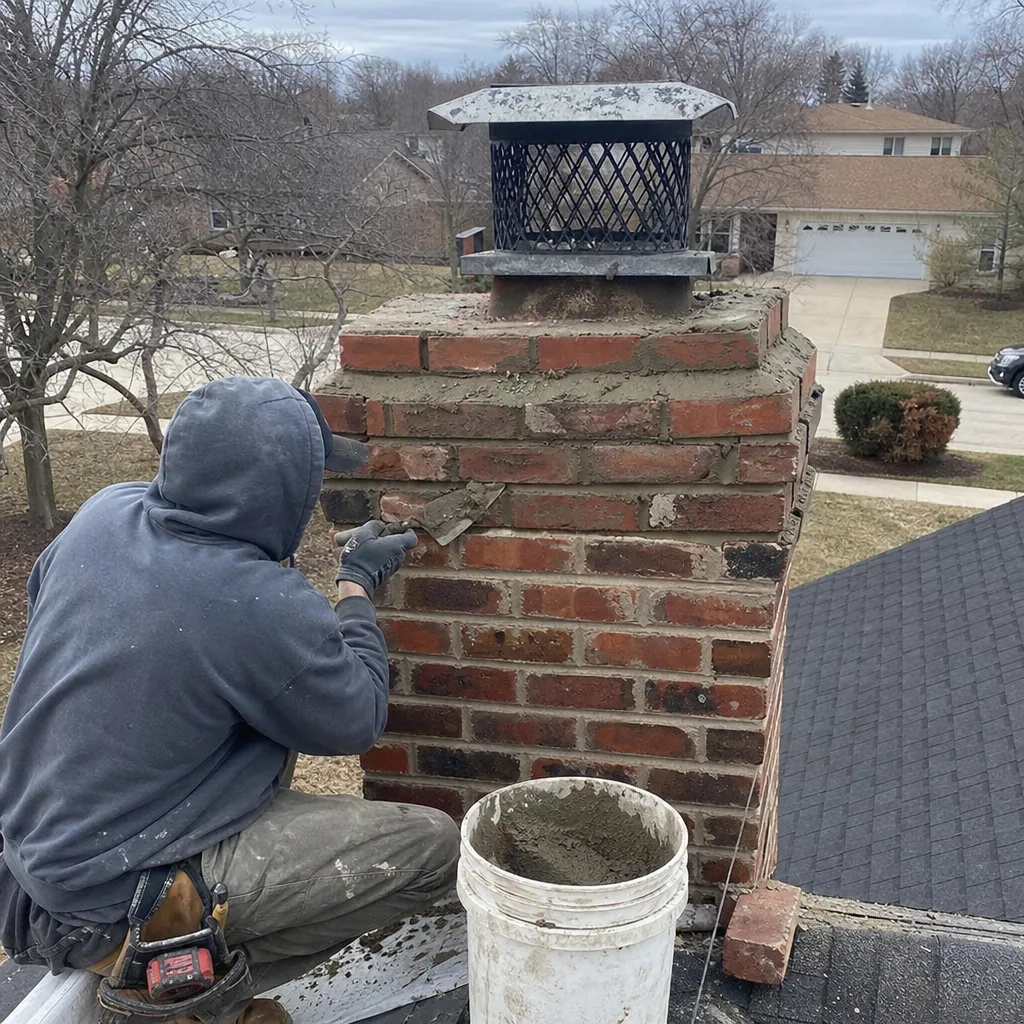
- Trusting the damper handle without verifying the plate. The handle can rotate freely while corrosion or creosote locks the plate itself. Always visually confirm the flue opens.
- Sweeping based on calendar alone without considering burn volume. Annual sweeping for a fireplace used twice yearly is unnecessary expense; skipping it for a daily burner is genuine hazard.
- Ignoring efflorescence as “just cosmetic.” In Orland Park’s freeze-thaw climate, efflorescence signals active moisture migration that will destroy brick within two to five years if unaddressed.
- Accepting a flashlight inspection as equivalent to Level 2. No flashlight reaches fifteen feet up a flue or sees around smoke chamber shoulders. NFPA 211 distinguishes these explicitly; so should you.
- Failing to log burn frequency and then guessing at cleaning intervals. A simple notebook entry after each fire eliminates the guesswork and gives your sweep data to work with.
- Discarding service documentation. Insurance claims, real estate transactions, and warranty disputes all require proof of maintenance. The folder in your filing cabinet is cheaper than the argument later.
- Assuming new home purchase inspection covered the chimney. Standard home inspections in Orland Park typically include only a Level 1 visual check from the ground or roofline. A separate Level 2 scan before closing is the only way to know liner condition.
When to Call a Professional
Call for service when monthly checks reveal three or more new or worsening conditions; when you detect smoke odor in living spaces during non-use; after any chimney fire or suspected fire event (rapid popping, dense smoke, visible flames in the flue); before purchasing a home; after severe weather with high winds or lightning; or when your burn log indicates you’ve reached one cord-equivalent without a sweep.
Emberly Chimney Cleaners Orland Park offers free estimates in Orland Park - call (708) 294-2571. Every estimate includes a written scope and written price before any commitment. Our live phone support runs 24 hours a day, seven days a week. Fireplace Services in Orland Park also include insert installation, gas conversion, and hearth modification with the same documentation standards.
Frequently Asked Questions
A standard chimney sweep in Orland Park typically ranges from $199 to $349 for a single flue with accessible roofline, depending on creosote accumulation level and whether the fireplace is a standard open hearth, insert, or stove. Level 2 camera inspection adds $150 to $250 when performed as a standalone service, though it’s included in our initial visit package. We deliver a written price before any work begins - call (708) 294-2571 for an exact quote; estimates are free.
You need a new liner when the existing one is cracked, separated, improperly sized for your appliance, or missing entirely - conditions we confirm with camera inspection, not guesswork. In Orland Park, we see accelerated clay tile deterioration in homes built during the 1980s-1990s construction boom, where rapid building sometimes compromised liner installation. We will not recommend liner replacement without camera evidence you can see for yourself, and we’ll tell you plainly when observed damage can be monitored rather than immediately replaced. Call (708) 294-2571 for a free estimate with written scope.
Most Orland Park homeowners burning seasoned hardwood two to three times weekly during heating season should schedule chimney sweep annually. Daily burners or those using manufactured logs may need cleaning at six-month intervals. Occasional holiday-only users can often extend to eighteen to twenty-four months. The accurate method: log your burns, calculate cord-equivalent, and sweep when approaching one cord or when creosote reaches 1/8 inch thickness - whichever comes first. Call (708) 294-2571 and bring your burn log; we’ll give you a data-based interval.
Skipped maintenance allows creosote accumulation, which restricts flue diameter, reduces draft, and increases chimney fire risk. In Orland Park’s cold-start climate, where chimneys often begin the season at outdoor temperature, poor draft also raises carbon monoxide spillage potential. Deferred exterior maintenance lets moisture penetrate masonry, leading to freeze-thaw spalling that can require partial rebuild rather than simple repointing. The cost progression is predictable: annual sweep ($199-$349), delayed to liner repair ($1,500-$4,000), delayed to partial rebuild ($5,000-$12,000). Documentation gaps may also affect insurance coverage after an incident.
Homeowners can remove light ash and debris from the firebox and perform the monthly checks in this guide. Mechanical flue cleaning requires proper brush sizing, rotary equipment, and roofline access that most homeowners lack. More critically, without camera inspection you cannot assess liner condition or classify creosote type - and Class III glazed creosote requires chemical treatment, not brushing. For safety and documentation, professional service is the appropriate choice. Call (708) 294-2571 for a free estimate.
A chimney sweep is the mechanical cleaning service - brushing, vacuuming, and removing deposits. A chimney inspection is the evaluation of condition and safety, classified by NFPA 211 as Level 1 (visual, accessible areas), Level 2 (camera inspection, attic/crawl space access), or Level 3 (destructive investigation). At Emberly Chimney Cleaners Orland Park, our standard service combines both: sweep plus Level 2 camera inspection with documented photo record. The distinction matters because some companies offer “inspection” that is only Level 1, and some offer “sweep” without any condition assessment. We specify exactly what you receive in writing before work begins.
The Bottom Line
Effective chimney maintenance in Orland Park requires three distinct roles working in sequence: your monthly twelve-point check during burn season, an annual professional sweep with roofline documentation, and a Level 2 camera scan when buying, after events, or when conditions warrant. The monthly checks catch changes early and inform your sweep. The annual service removes hazardous accumulation and verifies mechanical integrity. The camera scan confirms what no eye can see - the hidden conditions that determine whether your chimney is safe to use or needs repair before the next fire. Log your burns. Keep your documents. And never accept a flashlight inspection as sufficient for a system that vents combustion gases through the structure of your home.
Written by Corrine Halstead, Owner at Emberly Chimney Cleaners Orland Park, serving Orland Park since 2009.