
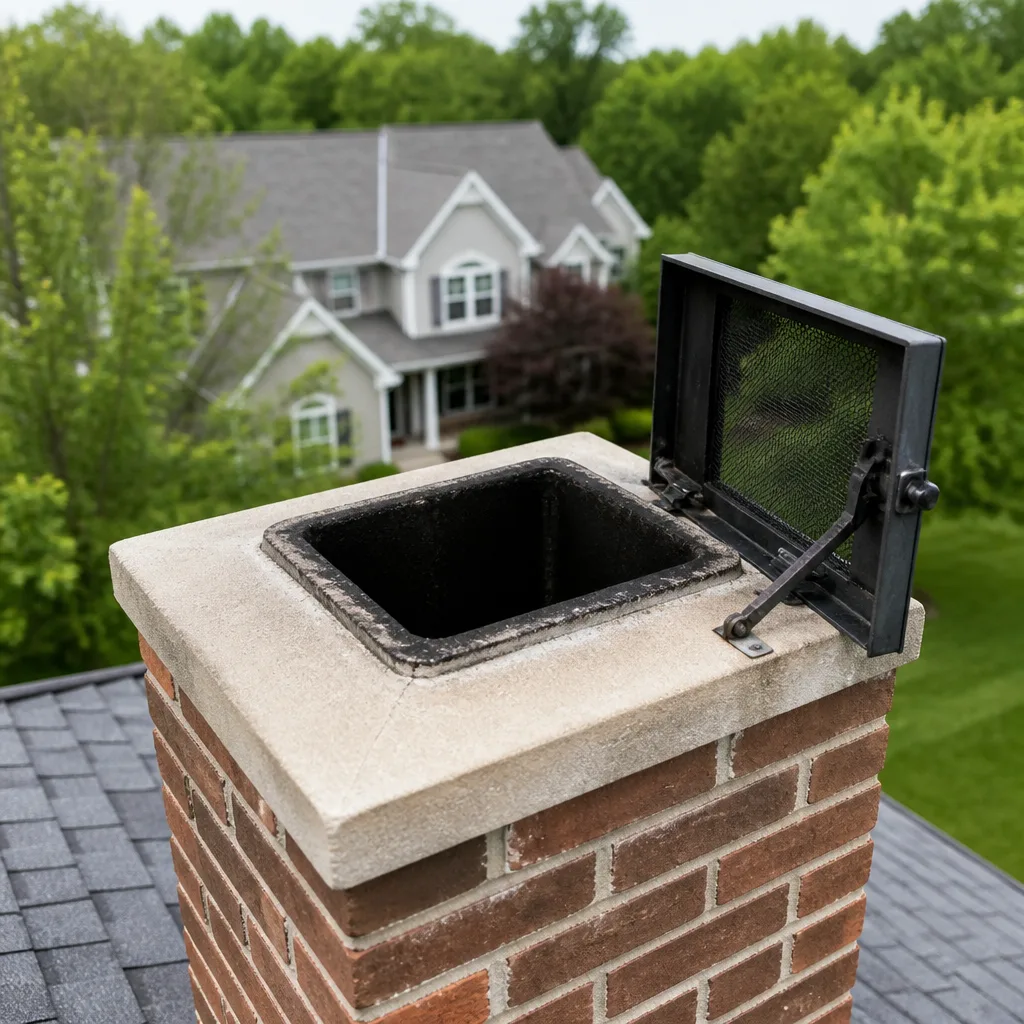
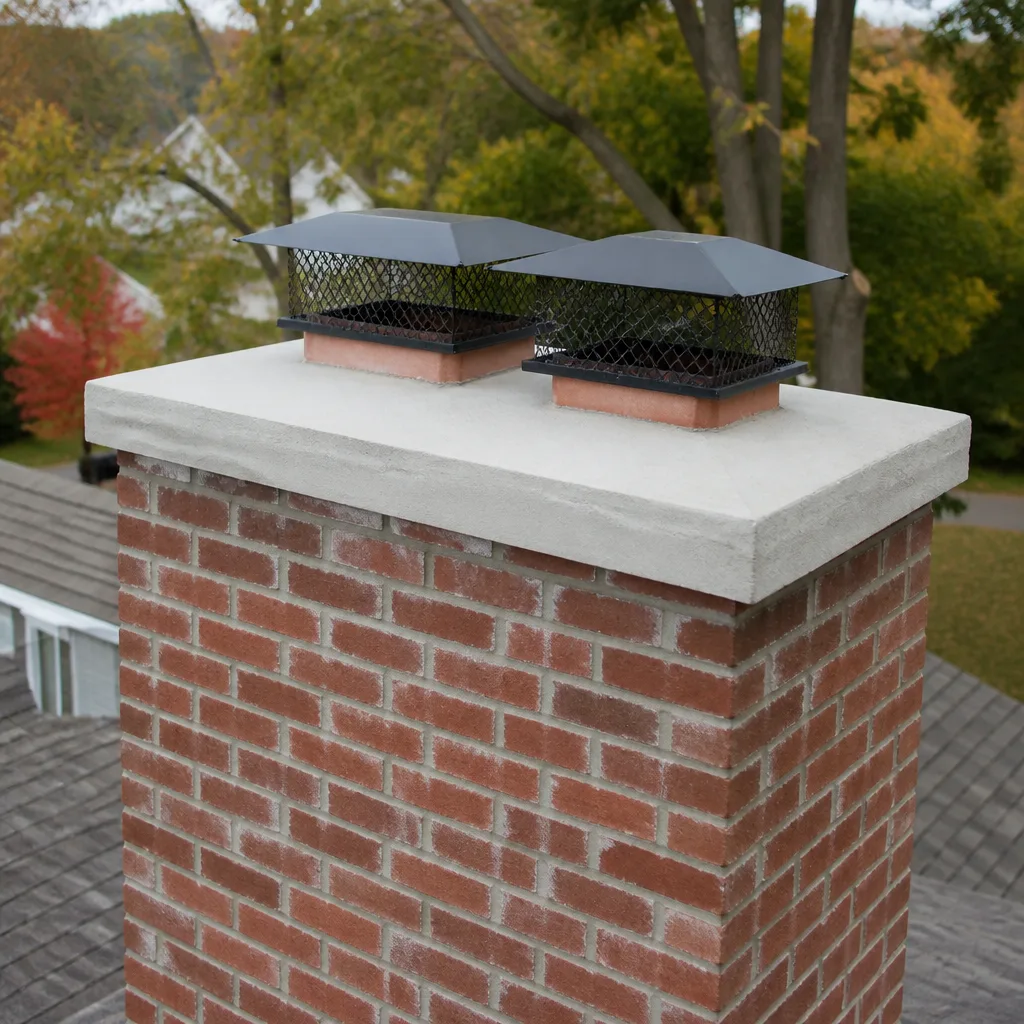
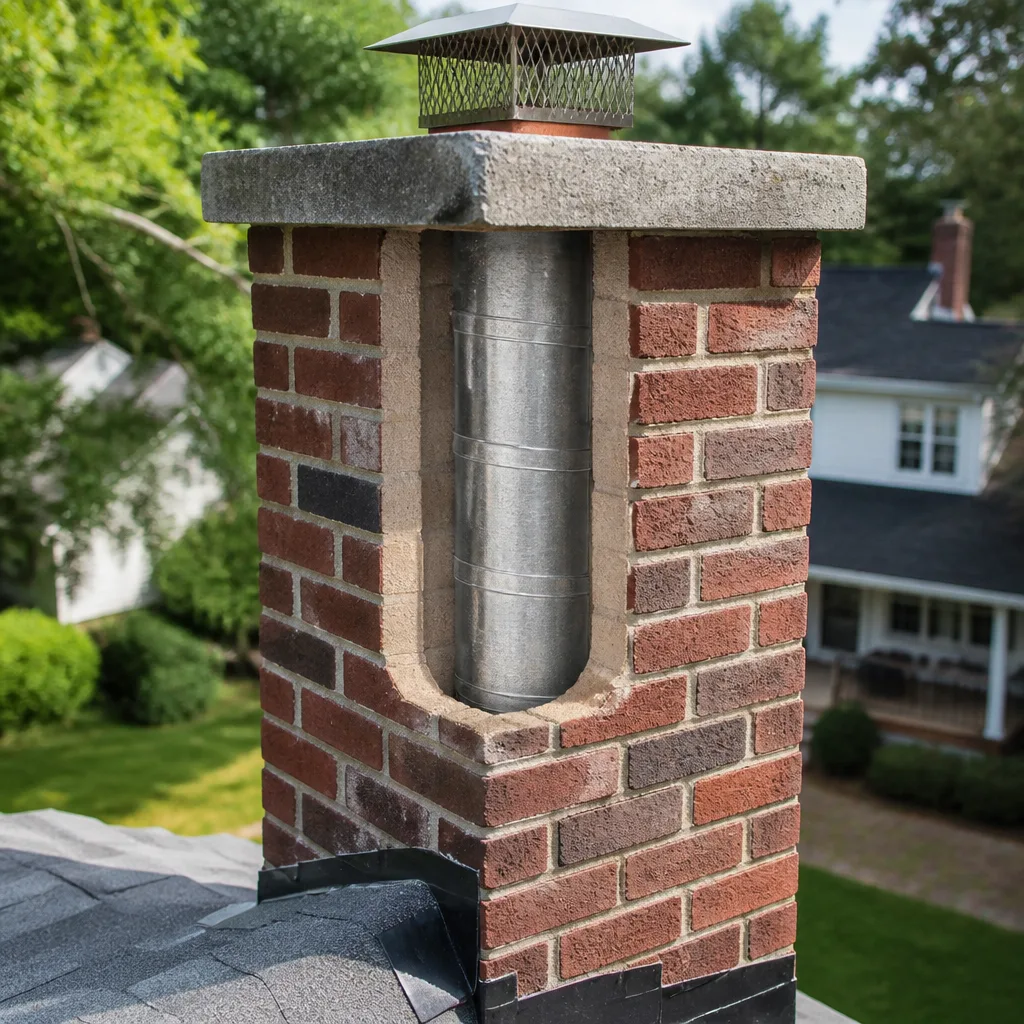
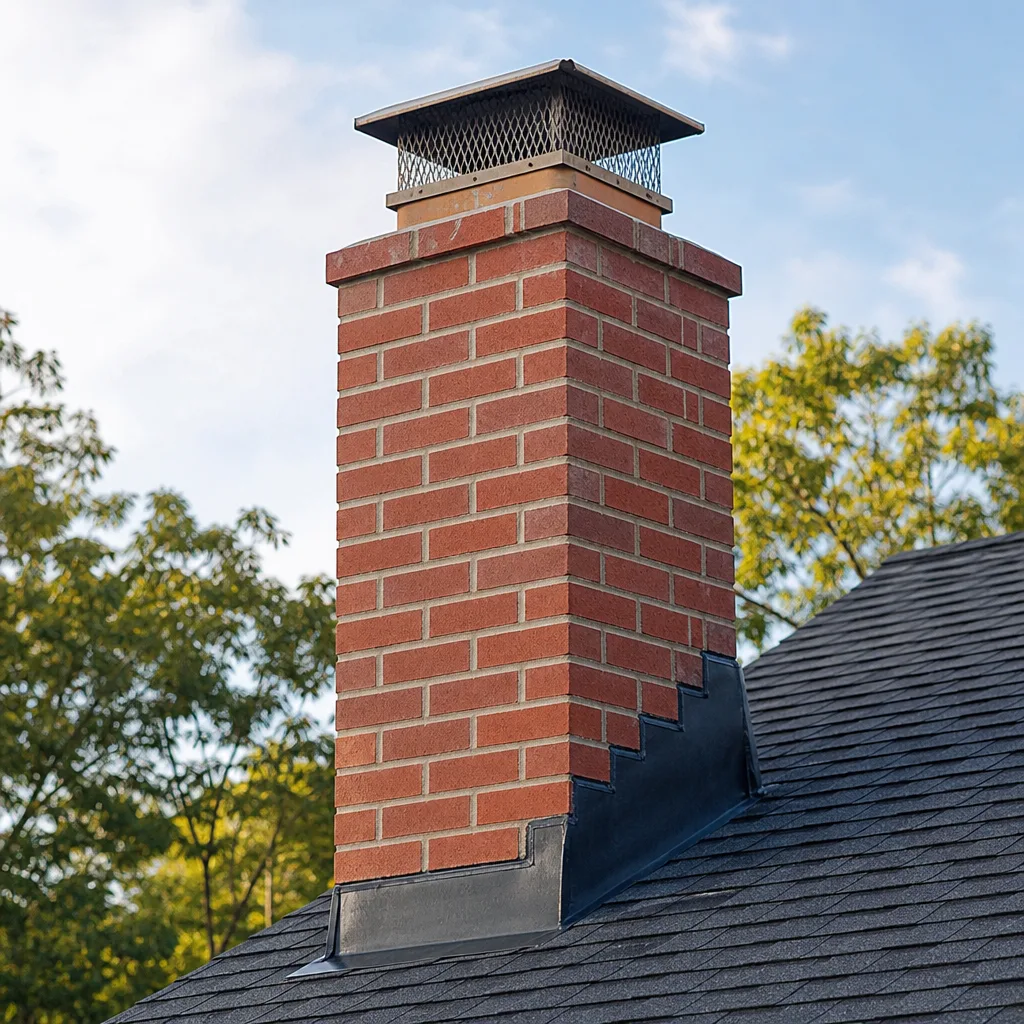
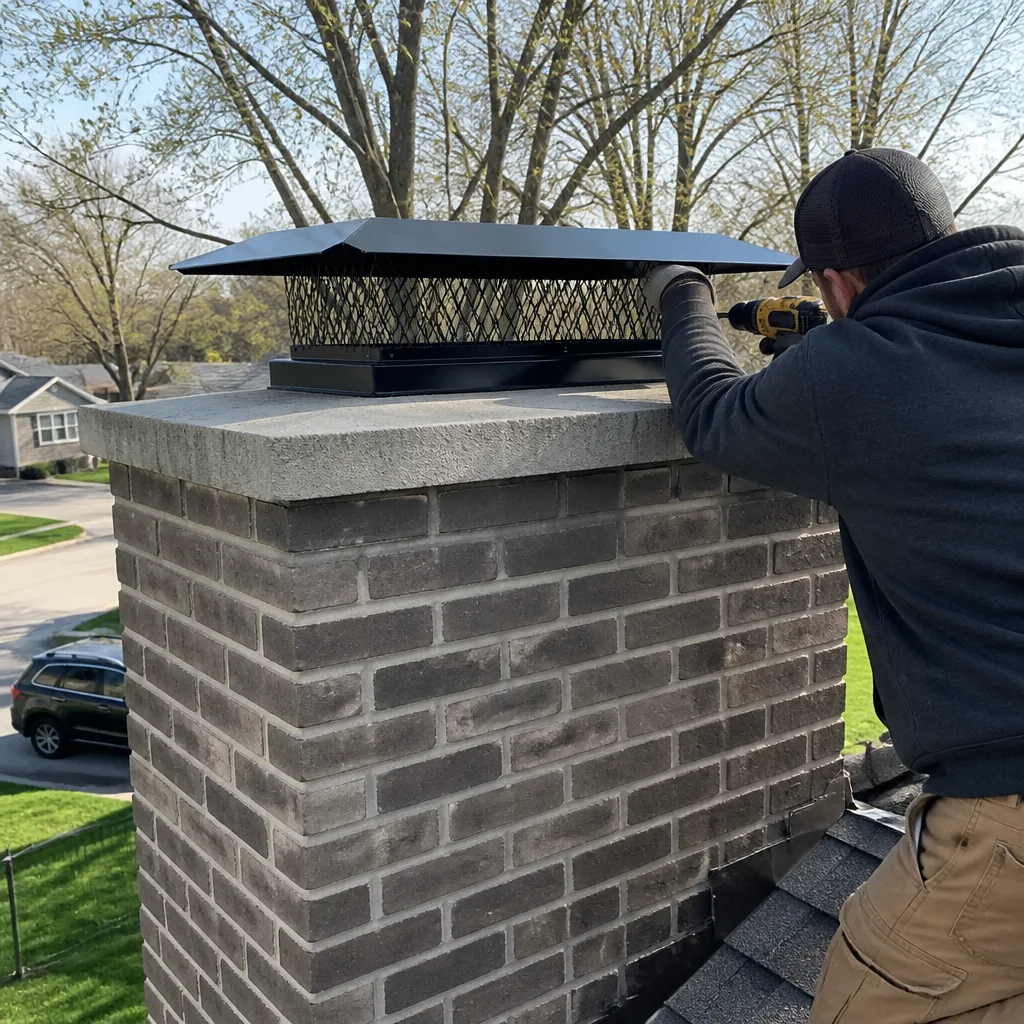
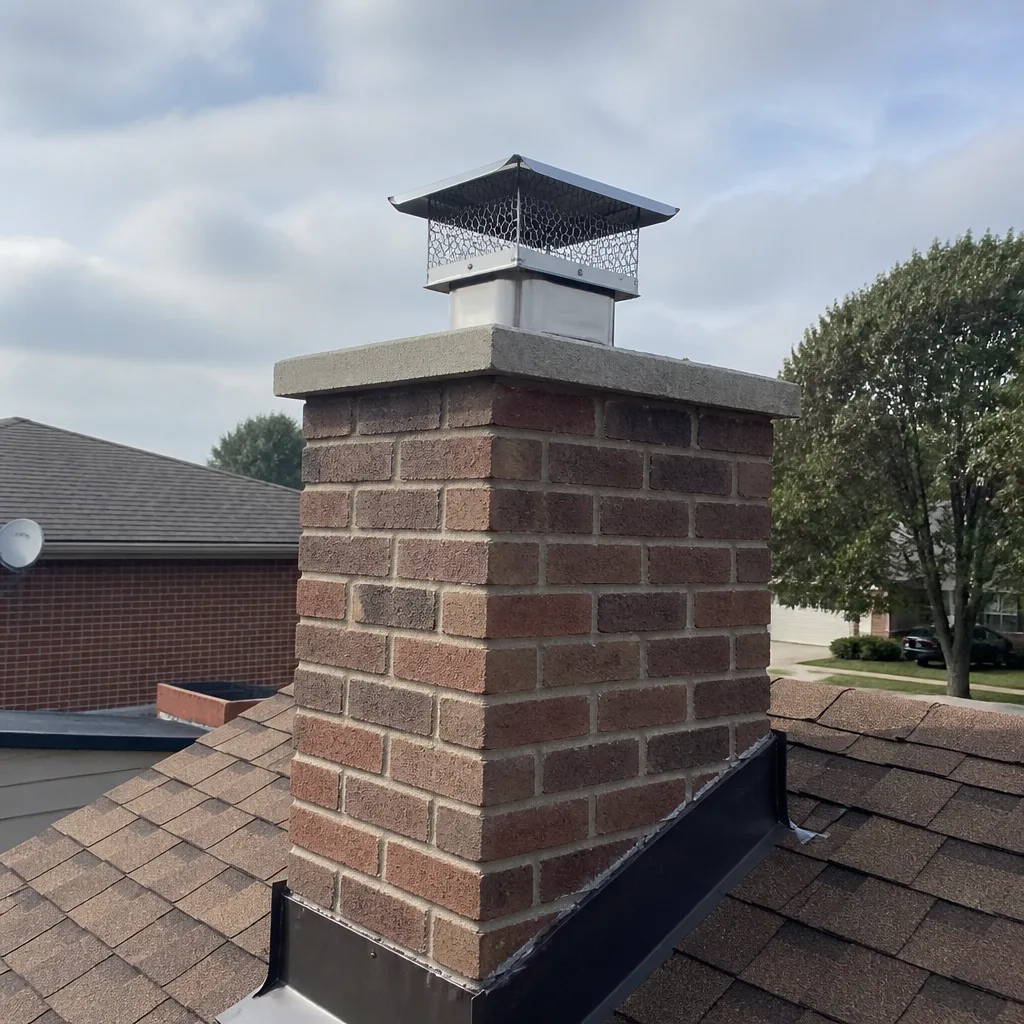
Level 1 sweep and inspection to the NFPA 211 annual standard - flue, crown, cap, and flashing checked and photographed
Chimney sweep logs do not sweep chimneys. They loosen some creosote - which then falls where a brush and vacuum still have to collect it.
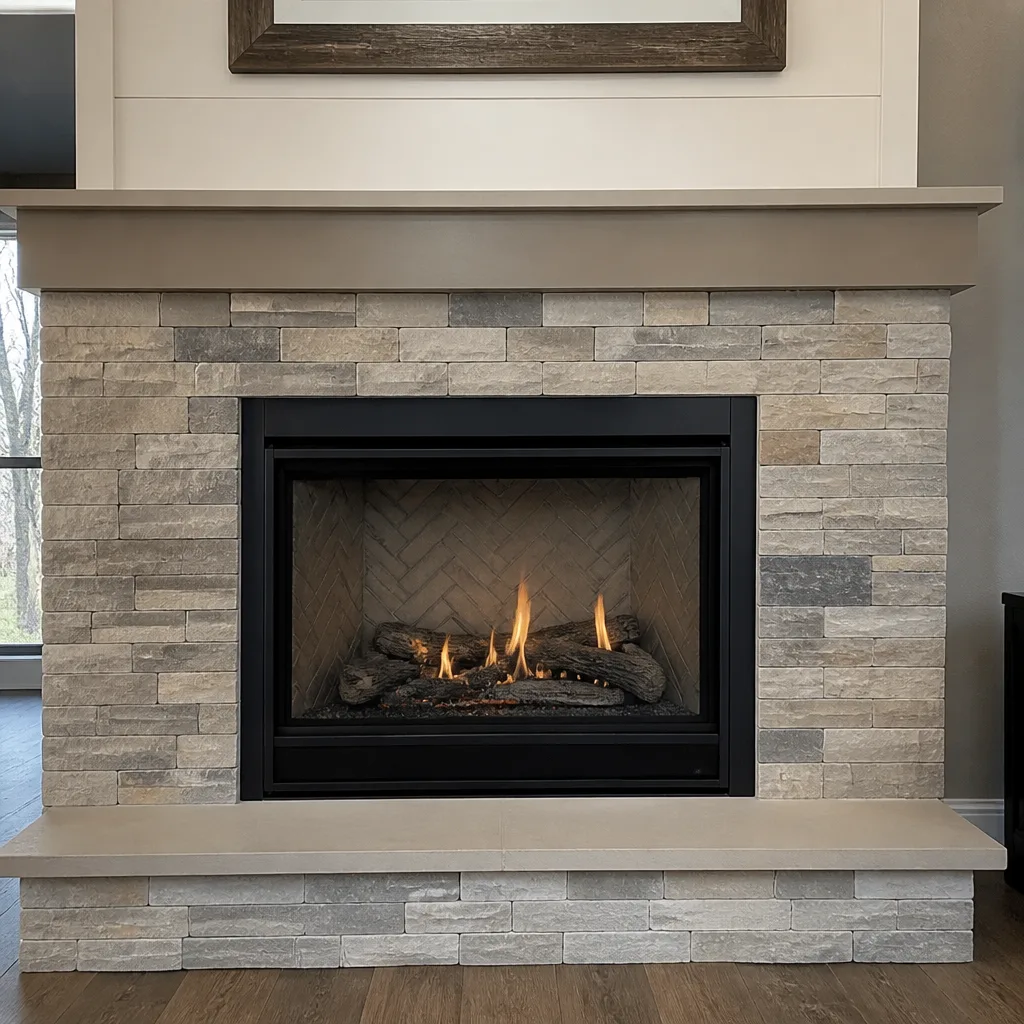
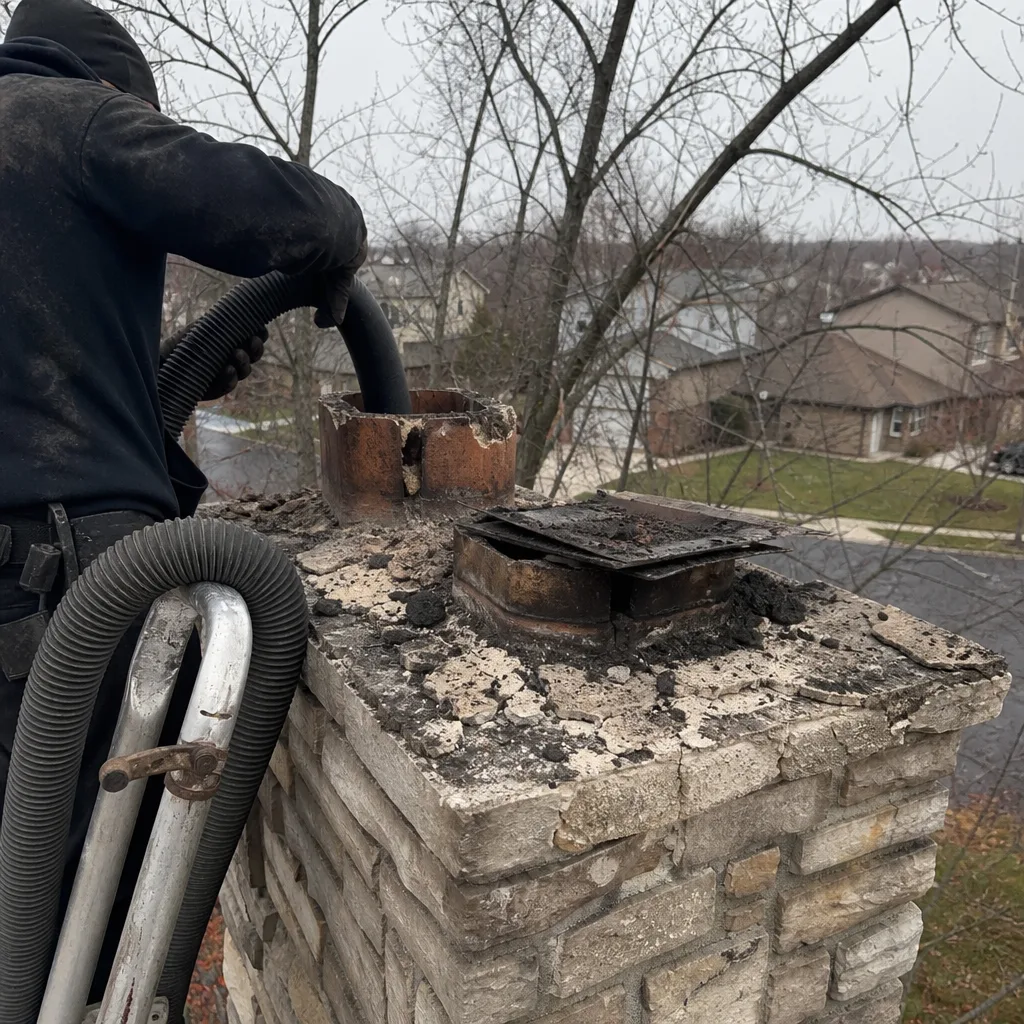 Before
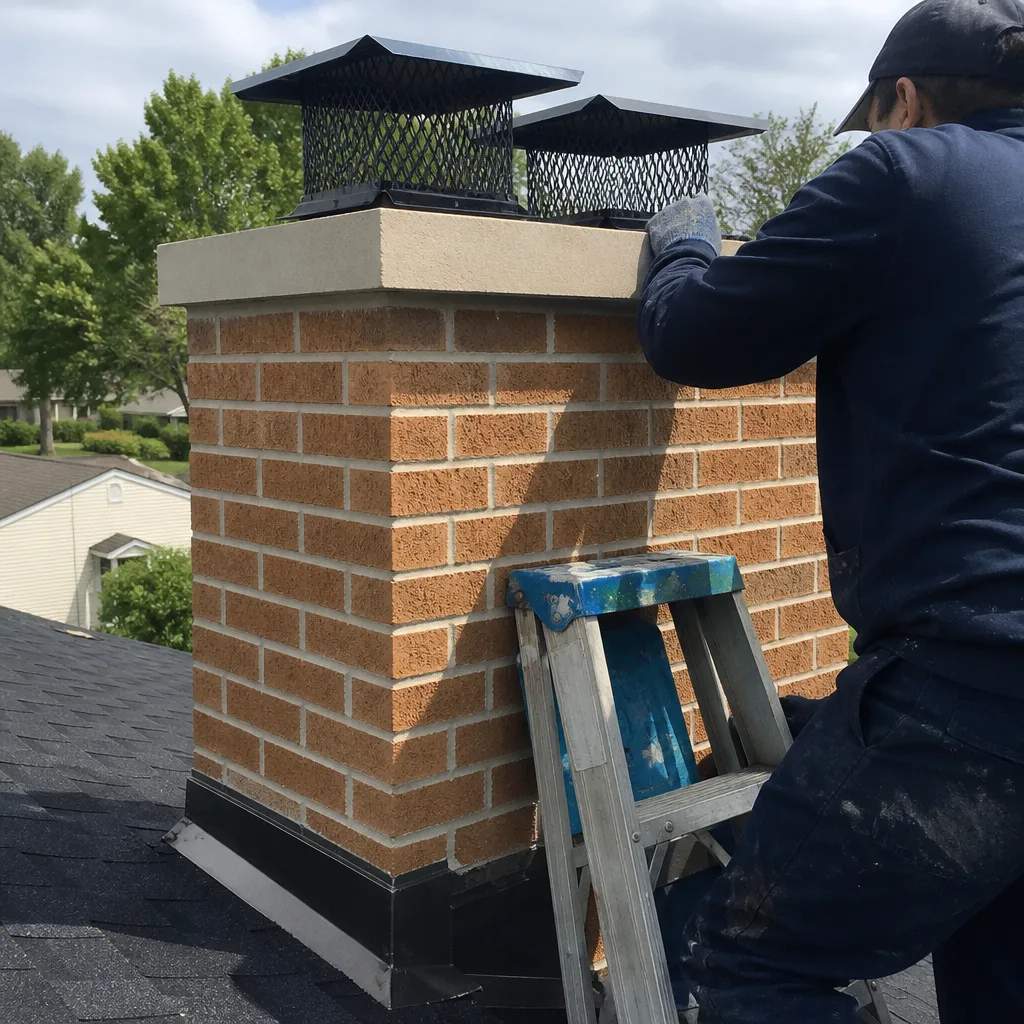 After
After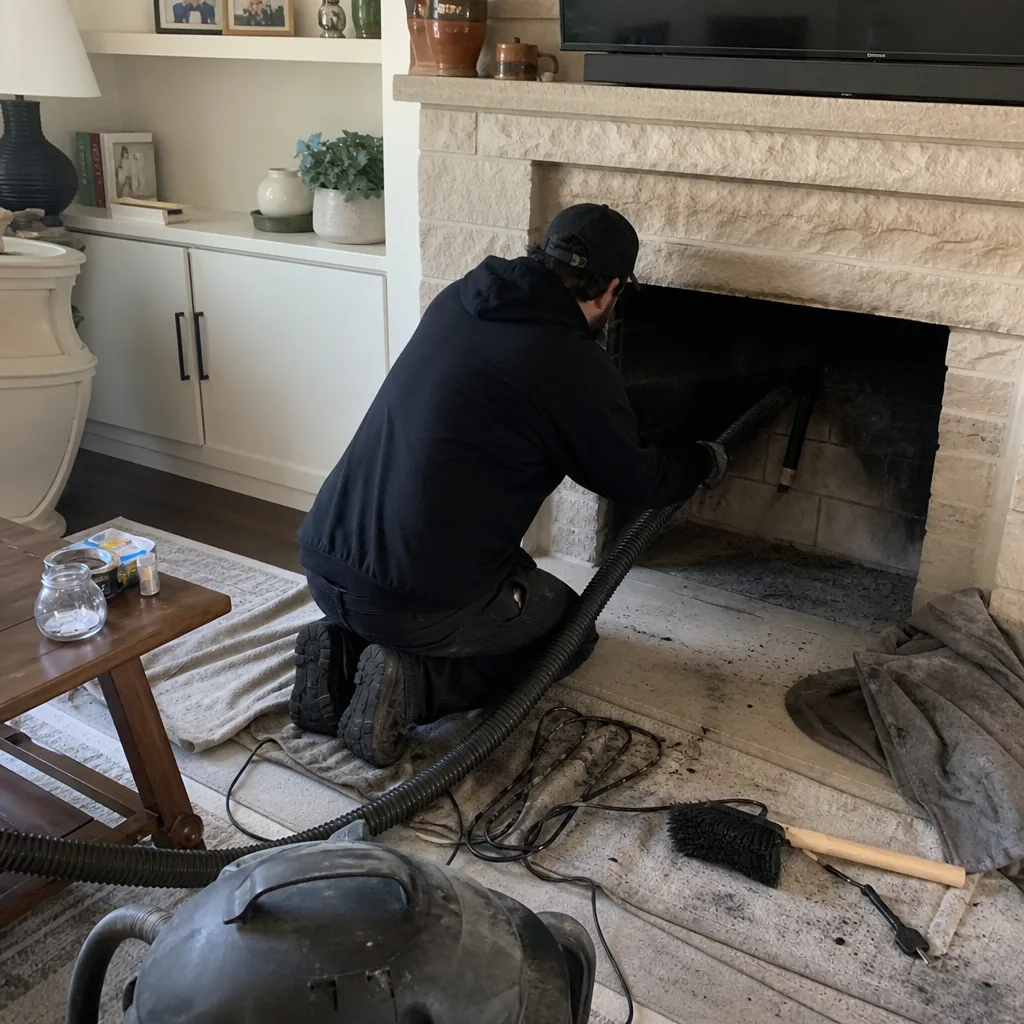 Before
 After
After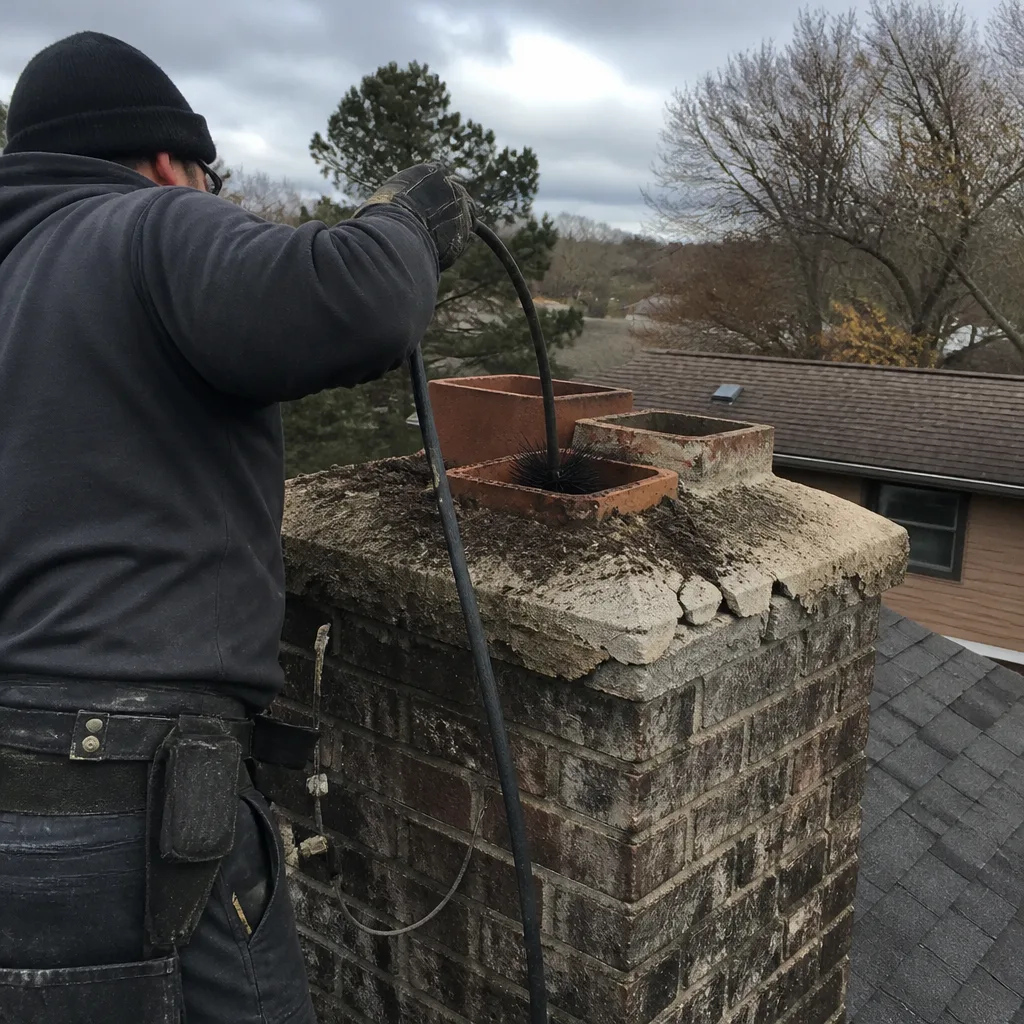 Before
 After
AfterCreosote Removal in Orland Park, IL
Creosote removal is the process of clearing the hardened, flammable byproduct that wood combustion deposits inside your flue liner – and in Orland Park homes, it’s one of the most common reasons a chimney goes from functional to dangerous. A single burning season with green or unseasoned wood, or a fireplace that runs at low draft because the damper isn’t opened fully, can push a flue from a light dusting to a Class II or Class III buildup that no standard brush will touch. At Emberly Chimney Cleaners Orland Park, we camera-scan the flue first as part of our Chimney Cleaning & Sweep services, classify the creosote by degree, then apply the right removal method for what’s actually there – not a one-size approach that leaves the hard glaze behind.
Corrine Halstead has led this operation since 2009. In that time we’ve worked through more than 38,000 chimney inspections and Fireplace Cleaning jobs across the south and southwest suburbs, and we know what Orland Park’s older ranch-style homes and newer construction in the Saddleback and Wolf Road Prairie corridors tend to produce in a flue. Call us at (708) 294-2571 – a live person answers, any time of day – or read on to understand exactly what creosote removal involves, what it costs, and what you’ll have in hand when we leave.
This page covers creosote removal as a focused service. If you want the full picture of what we do at every visit, see our Chimney Cleaning & Sweep in Orland Park page.
What Creosote Is – and Why the Class Matters
Creosote is a collective term for the combustion residue that condenses on the interior walls of a flue liner when hot gases cool before they exit the chimney. NFPA 211, the standard our Level 1 Inspection and other evaluations are built around, classifies it in three degrees:
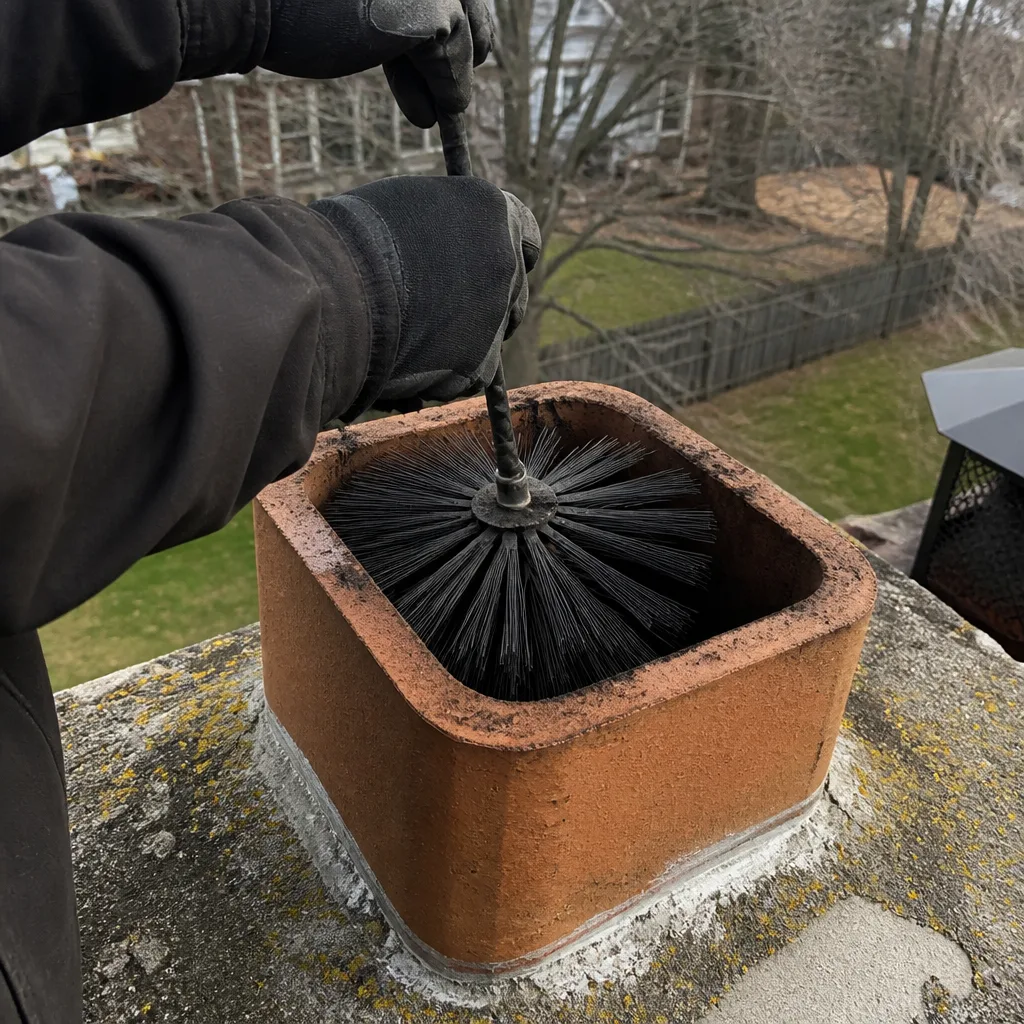
- Class I (first-degree): A light, dusty or flaky deposit – typically gray or black, dry to the touch. Standard rotary brushing removes it in one pass.
- Class II (second-degree): A harder, tar-like or shiny buildup that has dried to a porous crust. It resists standard brushing and often requires chemical treatment applied before mechanical removal.
- Class III (third-degree): A dense, glazed coating that has essentially baked onto the liner surface. It’s fuel-dense, highly flammable, and cannot be removed by brushing alone. Chemical poultice or controlled application of a creosote modifier, followed by mechanical removal, is the only method that works reliably.
The distinction isn’t academic. A chimney fire fed by Class III creosote can reach 2,000°F inside the flue – enough to fracture a clay tile liner and send heat into the framing of your home. In Orland Park, where a large share of the housing stock was built in the 1970s and 1980s with single-wythe brick and clay-tile flues, a cracked liner after a chimney fire is a common outcome. We find it on camera after the fact more often than we’d like.
When You Need Creosote Removal
These aren’t hypothetical scenarios. They’re the specific conditions that send Orland Park homeowners to the phone.
- A smoke smell that persists after the fire is out. If your living room carries a campfire odor for hours or into the next day, creosote vapor is likely migrating back through gaps in a damper or smoke chamber. This is especially common in split-levels along 151st Street where the fireplaces were converted from wood to gas and back again.
- A shiny or glazed look inside the firebox. When you look up past the damper with a flashlight and the surface reflects light rather than showing a matte black, that’s the visual signature of Class II or III creosote. Don’t burn again until it’s addressed.
- You’ve burned more than a cord of wood in a single season without a sweep. NFPA 211 recommends inspection and cleaning at minimum once per year for wood-burning appliances. One cord of seasoned hardwood generates enough residue to require professional attention; two or more cords in a season almost always produce Class II buildup in Orland Park’s cooler months.
- You recently bought the home. A seller’s disclosure won’t tell you the creosote class. Homes in the Settlers Ridge and Cobblestone Walk neighborhoods frequently come to us after closing with significant buildup that neither party knew about because no camera inspection was done.
- You hear crackling or popping from the flue during a fire. That sound can indicate that creosote deposits are igniting – a small, controlled chimney fire. Even a minor one can fracture liner sections.
- Your home insurance carrier requires a cleaning certificate. Several carriers serving the Orland Park area have begun requiring documented cleaning records, not just a verbal assurance. Our photo record and written scope satisfy that requirement.
 Before
 After
AfterOur Creosote Removal Process
- Camera-scan inspection before anything starts. We send a camera down the flue and document every section – firebox, smoke chamber, liner joints, and the area near the crown. This isn’t optional and it isn’t extra; it’s how we know what class of creosote we’re dealing with and whether the liner is intact enough to proceed with mechanical cleaning safely. The camera footage and still images become part of your documented photo record under Haven Standard Clause 4.
- Written price and scope delivered before work begins. Once we know what’s in the flue, we write it down: what method we’re using, what materials are involved, what the total cost is, and what the job covers. You see that in writing before anyone picks up a brush or opens a chemical. This is Haven Standard Clause 1, and Corrine Halstead built the company around it in 2009 because she found that verbal estimates in this trade almost never matched what homeowners were eventually charged.
- Protective drop cloths and HEPA vacuum setup. Before the flue work begins, we lay drop cloths across the hearth and firebox opening and connect a HEPA-filtered vacuum to the firebox. This keeps creosote dust and debris off your flooring and out of the air in the room. In Orland Park’s finished basements with hearth-side carpeting, this step matters.
- Class-appropriate removal method applied. For Class I, rotary steel or poly brushes remove the deposit in one pass. For Class II, we apply a chemical treatment – typically a product from the Copperfield line – that converts the tar-like crust to a more friable state before brushing. For Class III, a chemical poultice or approved creosote modifier is applied, allowed to work (sometimes requiring a return visit), and then followed by full mechanical removal. We don’t shortcut this sequence; the camera confirms the result.
- Post-cleaning inspection and re-camera. After the flue is cleaned, we run the camera again. If the liner shows cracks, displaced tiles, or any area the cleaning revealed as a structural concern, we photograph it and note it in writing. You get a written scope of what was found, not a verbal summary you’ll forget by the time we pull out of the driveway.
- Documentation package handed over before we leave. You walk away with: the camera images or footage, before-and-after photos, a written record of the creosote class found and method used, the written price, and your warranty under the 365-Day Done Right Promise. If anything about the job isn’t right within that period, we make it right – no debate.
Creosote Removal Pricing in Orland Park
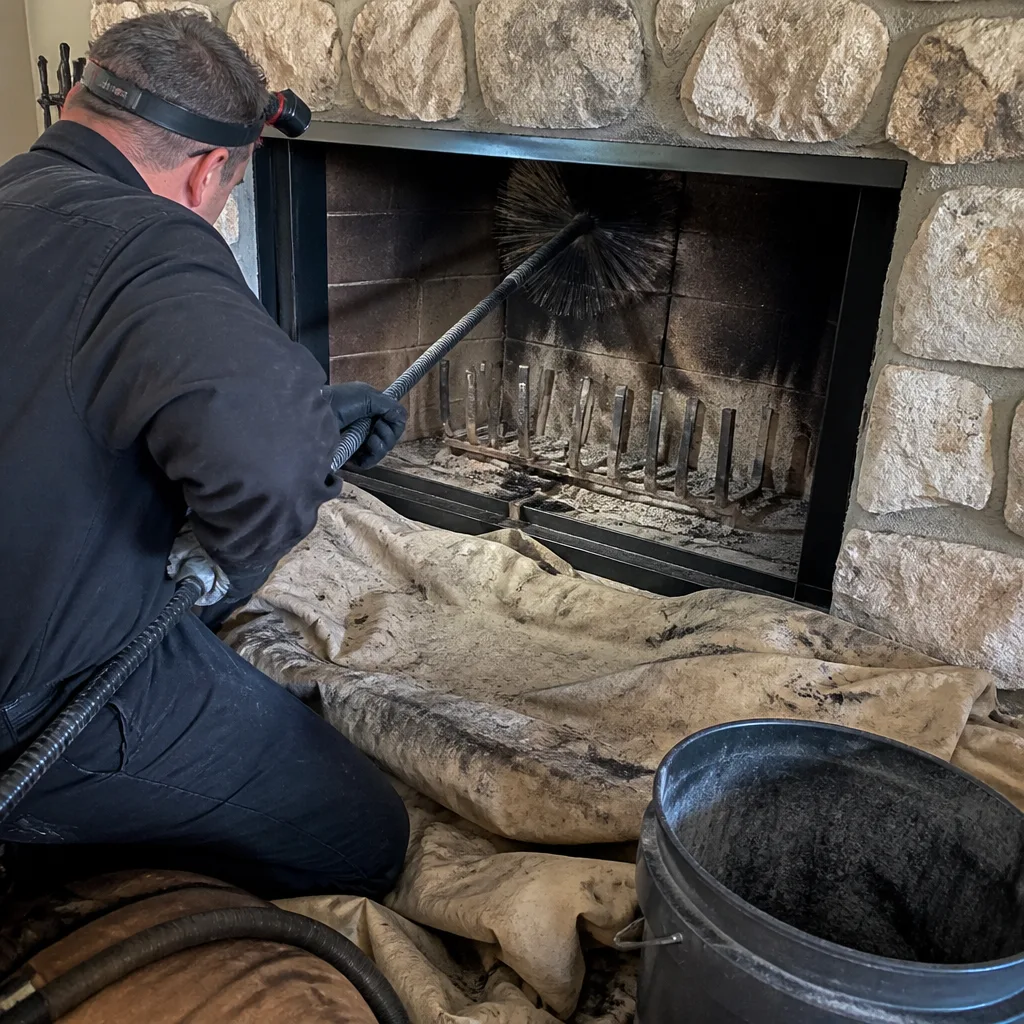
Creosote removal in Orland Park runs $149 to $649 for most residential jobs, depending almost entirely on the class of buildup and the linear footage of flue involved. Here’s how that breaks down in practice:
| Creosote Class | Typical Method | Price Range |
|---|---|---|
| Class I (light, dusty deposit) | Standard rotary brush cleaning | $149 – $249 |
| Class II (hardened, tar-like crust) | Chemical treatment + mechanical removal | $249 – $449 |
| Class III (glazed, baked-on deposit) | Poultice or modifier + full mechanical removal | $449 – $649 |
A few things affect where your job lands in those ranges:
- Flue length and configuration. A two-story home on Ravinia Drive with a long vertical flue takes longer to clean than a single-story ranch with a short run. More footage means more product and time.
- Number of flues. Many Orland Park homes have a fireplace flue and a furnace or water heater flue sharing the same chimney chase. If both need attention, they’re priced separately.
- Whether a return visit is needed. Class III removal with a poultice method sometimes requires the chemical to work for 24-48 hours before mechanical removal. If that’s the case, we tell you upfront and write the total scope into the original price.
- Liner condition discovered during inspection. If the camera finds a cracked clay tile or a failed liner section that makes the cleaning unsafe to perform without repair, we stop, document it, and quote the repair separately before proceeding. We don’t proceed on a damaged liner without your knowledge and written authorization.
Every estimate is free. Bring us a competitor’s written quote and we’ll give you a free second opinion on it. Call (708) 294-2571 to schedule – the price is on the page, the written quote is on paper before anyone starts, and there’s no charge to find out what you’re dealing with.
FAQs – Creosote Removal
How much does creosote removal cost in Orland Park?
Creosote removal in Orland Park typically costs between $149 and $649 for a residential fireplace flue, depending on whether the buildup is Class I, Class II, or Class III. Class I (light, dusty deposit) is on the low end; Class III (glazed, baked-on creosote) requires chemical treatment and multiple steps and sits at the top of the range. We camera-scan the flue first so we can give you an exact written price before any work begins. Call (708) 294-2571 – the estimate is free and the written scope is yours to keep.
Is Class III creosote dangerous, and do I need to stop using my fireplace?
Class III creosote is genuinely hazardous. It’s a dense, fuel-rich glaze that can ignite at temperatures a wood fire routinely reaches, and once burning, it can sustain temperatures inside the flue that crack clay tile liners and transfer heat into the surrounding structure. If a camera scan confirms Class III, we’ll tell you in plain language to stop using the fireplace until the removal is complete. We’ve seen this condition in Orland Park homes where the chimney looked clean from the firebox opening – which is exactly why a camera is the only reliable diagnostic tool and why we include it in our Level 2 Inspection.
Can you remove Class III creosote in one visit?
Sometimes, and sometimes not. Light-to-moderate Class III buildup can be addressed in a single visit using a creosote modifier product – we apply it, work it mechanically, and camera-confirm the result before we leave. Heavier glazing often requires a chemical poultice to be applied and left to work for 24 to 48 hours before full mechanical removal, which means a scheduled return visit. Either way, we tell you exactly what the job requires when we write the scope, before work starts, so there are no surprises about cost or timing.
How often should Orland Park homeowners have creosote removed?
NFPA 211 calls for at minimum one inspection and cleaning per year for wood-burning appliances in regular use. In Orland Park, where the heating season runs roughly late October through late March, a single annual cleaning handles most households burning two cords or less of well-seasoned hardwood per year. If you’re burning more than that, or if you’ve been burning green or softwood, a mid-season check is worth scheduling – creosote accumulates faster than most homeowners expect when the fuel isn’t fully dried. Call (708) 294-2571 to talk through your burn habits and we’ll tell you what interval makes sense for your flue.
What You Have When We Leave
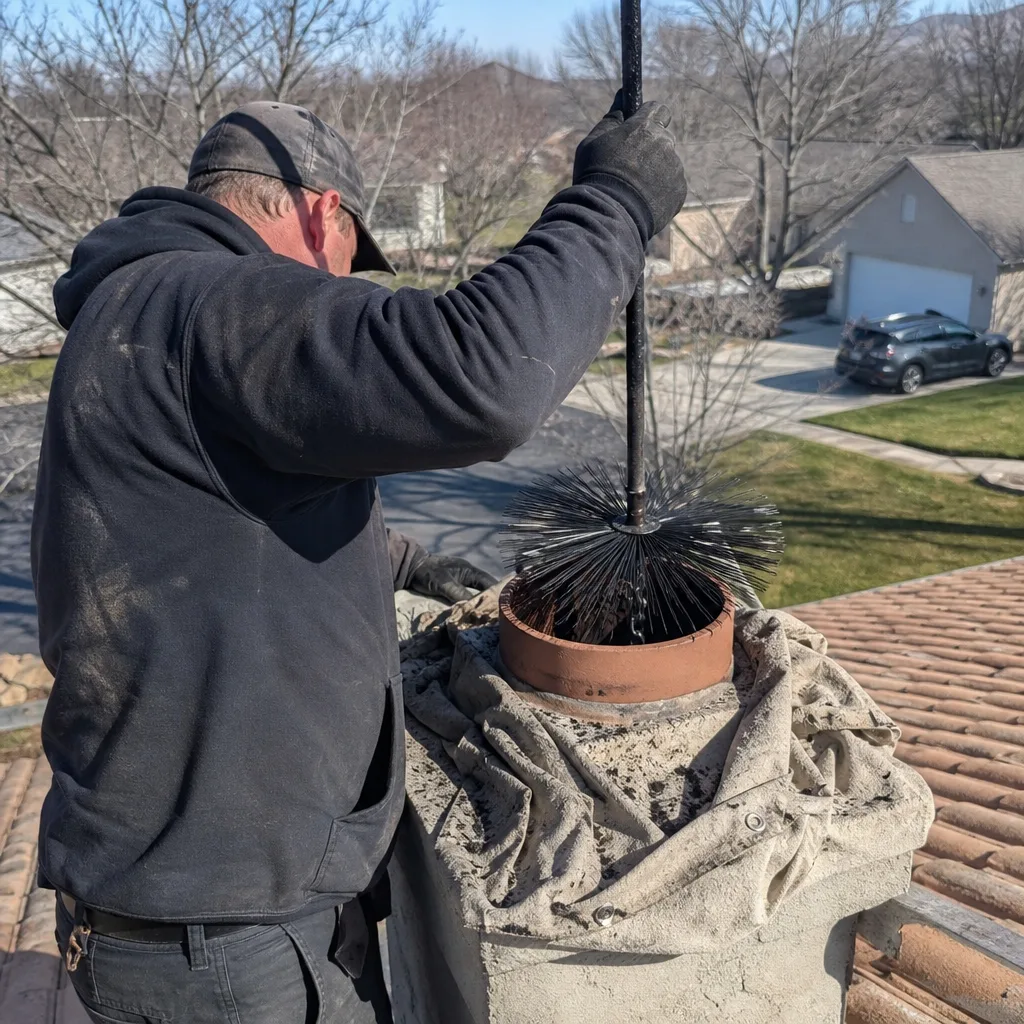
This is a short list, but it’s specific. After a creosote removal visit in Orland Park, you have:
- Before-and-after camera images of the flue, included as standard under Haven Standard Clause 4
- A written record of the creosote class found and the method used to remove it
- The written price you approved before work started – not a revised invoice
- A written warranty backed by the 365-Day Done Right Promise
- A cleaning certificate suitable for submission to your insurance carrier if required
That documentation is the reason insurance carriers and home inspectors accept our records. It’s also the reason Corrine Halstead structured the company around written evidence from day one: because a verbal “looks good” from a sweep is not something you can produce at closing or after a fire investigation.
Serving Orland Park and the Surrounding Area
We work throughout Orland Park – Saddleback, Cobblestone Walk, Settlers Ridge, the neighborhoods along Wolf Road and 143rd Street, and the older sections near downtown Orland Park where the chimney stock goes back to the 1960s. Orland Park sits in a climate band that produces real heating loads: five to six months of wood-burning season, cold enough to push people to run fires hot and fast, which drives draft and creosote accumulation in flues that aren’t sized for modern insert stoves. We see the effects of that pattern every season.
If you’re unsure whether your fireplace needs creosote removal or a full chimney sweep, the home page gives you a picture of everything we cover. For the complete cleaning and sweep service that creosote removal fits into, visit our Chimney Cleaning & Sweep in Orland Park page.
Schedule Creosote Removal in Orland Park
Call (708) 294-2571 to schedule a camera-scan inspection and creosote removal estimate. A live person answers around the clock – no voicemail, no web form as the only option. We’ll send a background-checked, uniformed technician, text you when they’re on the way, and have a written price in your hand before anything starts. The estimate is free, and the 365-Day Done Right Promise is on every job we complete in Orland Park.
Written by Corrine Halstead, Owner at Emberly Chimney Cleaners Orland Park, serving Orland Park.